Area Overview for SE1 1DE
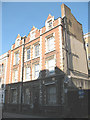
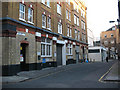
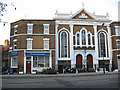
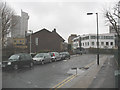
Photos of SE1 1DE
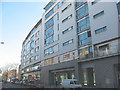
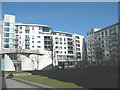
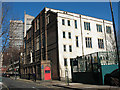
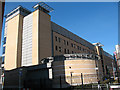
Area Information
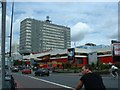
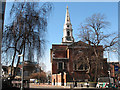
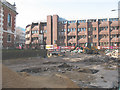
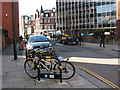
Living in SE1 1DE means experiencing post-war Southwark through the lens of a tight-knit residential cluster. This specific postcode covers a small population of 1,536 people, creating an environment where neighbours often know one another before they exchange pleasantries. The area sits within the heart of London, yet its identity remains distinctly local rather than a mere extension of the city centre's seamless sprawl. Residents here navigate a landscape defined by its density and its proximity to major transport arteries. The character of SE1 1DE is shaped by its accommodation type, which is dominated by flats, reflecting the building planning of the era. Daily life revolves around the convenience of immediate underground access and the surrounding retail hubs. You move through a community where the median age of 47 suggests a settled, mature population. This demographic profile indicates that the area is not a hub for transient young professionals but rather a destination for those establishing long-term roots. The presence of homes in SE1 1DE appeals to individuals prioritising accessibility over extensive private gardens. You will find yourself walking to stations like Borough Station or Southwark Station with ease, as these transport links are integral to the area's functionality. The postcodes define a specific pocket of London where the pace of life is determined by the rhythm of the tube and the scheduled trains of National Rail services.
- Area Type
- Postcode
- Area Size
- Not available
- Population
- 1536
- Population Density
- 16017 people/km²
The property market in SE1 1DE is characterised by a distinct rental bias, with home ownership standing at a mere 29%. This figure signals that the majority of the 1,536 residents do not own their properties outright, pointing toward a location favoured by the private renting sector. Homes in SE1 1DE are predominantly flats, a fact that shapes the buying and selling dynamics within this small residential cluster. You are unlikely to find detached houses or semi-detached family properties here; instead, the stock consists of purpose-built or converted apartments suited to urban living. This skew toward rentals suggests that the area attracts professionals and tenants who prioritise location over financial stability or the desire to build equity in a specific home. The accommodation type dominates the landscape, making SE1 1DE a consistent choice for those renting across London. For people looking to buy, the market dynamics are unique because the underlying pressure is high demand for tenancies rather than owner-occupied purchases. The prevalence of flats means that property prices are influenced by factors such as lease length, service charges, and building condition, which are typical considerations for flats but irrelevant in other parts of London. If you are considering purchasing a property here, you must understand that you are entering a market where turnover is driven by tenant requirements rather than family expansion needs.
House Prices in SE1 1DE
No properties found in this postcode.
Energy Efficiency in SE1 1DE
Life in SE1 1DE centres on the sheer volume of transport and retail options within practical reach. You are surrounded by five stations offering metro, rail, and bus services, turning your walk to work into a strategic exercise rather than a chore. Borough Station, Southwark Station, and Kennington Station serve as your primary gateways, while Elephant & Castle, London Bridge, and Waterloo station provide alternative routes for specific lines. This density means you can travel to any part of London or beyond via train or tube with a short walk from your door. The retail landscape is equally extensive, with five major supermarkets scattered across the neighbourhood. Co-op Southwark, Tesco Borough, and another Tesco location ensure you have multiple choices for groceries, ready meals, and household supplies. For leisure and travel, ferry piers at Bankside, London Bridge City, and Blackfriars place you on the tourist and commuter arteries of the Thames. You can explore the river banks or travel to Greenwich or Greenwich Peninsula within minutes. The presence of five bus routes, including connections to Victoria and Green Line coach services, offers flexibility for regional travel or trips to events that do not run on train schedules. You do not need a car to live in SE1 1DE effectively; the infrastructure supports a car-free existence. The area bypasses the need for extensive planning around simple errands because the amenities are woven directly into the immediate surroundings.
Amenities
Schools
| Rank | School | Type | Entry gender | Ages |
|---|
Explore more schools in this area
Go to Schools tabDemographics
The community within SE1 1DE reflects a settled demographic with a median age of 47 years. Adults between 30 and 64 years constitute the most common age range, confirming that this is an area suited for established households rather than families with young children or empty nesters. With 29% home ownership, the majority of residents rent, indicating a high-traffic location favoured for the rental market. This statistic suggests that many people commute in and out of SE1 1DE daily, seeking the location's convenience while maintaining residence elsewhere or commuting directly from their current homes. The predominant ethnic group is White, a fact that defines the cultural composition of this specific postcode. You will find a neighbourhood where long-term residents share a common history alongside professionals attracted by the transport links. The fact that flats are the primary accommodation type reinforces the urban living style prevalent here. This housing stock dictates the community feel, creating an environment where social interaction often happens in building corridors or local pubs rather than in communal garden spaces. The data shows a clear picture: this is an area for those who value location and accessibility over sprawling single-family homes. The population density supports a vibrant street life, yet the low ownership rate means the community may feel like a temporary gathering of people rather than a deeply rooted village.
Household Size
Accommodation Type
Tenure
Ethnic Group
Religion
Household Composition
Age
Household Deprivation
NS-SEC
Explore more demographic insights in this area
Go to Demographics tabPlanning
Planning Constraints
- Flood RiskPremium
- Ramsar Wetland SitesPremium
- Area of Outstanding Natural BeautyPremium
- Protected Nature ReservePremium
- Protected WoodlandPremium