Area Overview for Richmond upon Thames
Photos of Richmond upon Thames
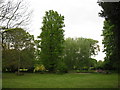
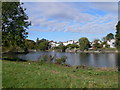
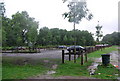

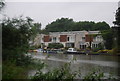
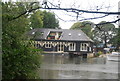
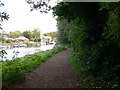
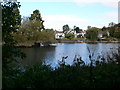
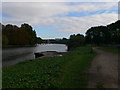


Area Information
Living in Richmond upon Thames offers a distinct residential experience within a built-up area covering 31.2 km². With a population of 65,450, this borough provides a tightly knit community where the number of people per square kilometre stands at 2,096. Residents benefit from a location that balances suburban convenience with proximity to major transport hubs. The area is characterised by a relatively low population density compared to central London, allowing for a quieter pace of life while maintaining accessibility. Daily living is shaped by the availability of five railway stations, five metro stations, and five ferry pings within practical reach, linking inhabitants to wider global centres. You will find a neighbourhood defined by its functional connectivity and established amenities. The presence of Heathrow Airport five kilometres away ensures international links, while local retail options like Tesco and Iceland serve immediate daily needs. This mix of transport infrastructure and local services creates a practical environment for commuters and families alike. The area does not rely on hype; instead, its value lies in tangible assets like reliable broadband and a stable community. Whether you work from home or commute regularly, the infrastructure supports a consistent routine. The physical layout accommodates a diverse range of housing types, reflecting the needs of a long-term resident base.
- Area Type
- District/Borough
- Area Size
- 31.2 km²
- Population
- 65450
- Population Density
- 2096 people/km²
Demographics
The community profile of Richmond upon Thames reflects an older population with a significant emphasis on home ownership. The median age of residents is 70 years, indicating a mature demographic where many people have settled permanently in the borough. This age structure influences local services and the type of social activities available. Home ownership stands at a solid 62 per cent, suggesting that most people own their homes outright or with a mortgage rather than renting. This high level of ownership typically correlates with longer-term views on neighbourhood development and maintenance. Household composition and accommodation types vary, but the stability of the owner-occupied sector drives the character of the streets. While specific ethnic and religious breakdowns are not detailed in the current records, the area hosts established institutions that serve long-standing residents. The high median age means that you are unlikely to find a young, transient population dominating the scene. Instead, the social fabric is woven from decades of resident history. This demographic reality shapes everything from local school attendance to retail demand. People looking for a quiet, settled environment with reliable nearby schools will find this profile aligns with their expectations. The data confirms a stable, established community rather than a rapidly shifting one.
Household Size
Accommodation Type
Tenure
Ethnic Group
Religion
Household Composition
Age
Household Deprivation
NS-SEC
Explore more demographic insights in this area
Go to Demographics tabPlanning
Planning Constraints
- Crime RiskLocked