Area Overview for NW7 1EJ
Photos of NW7 1EJ
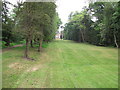
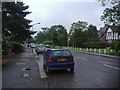
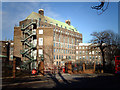
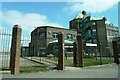
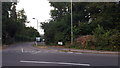
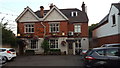
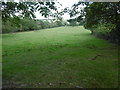
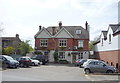

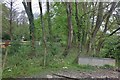
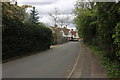
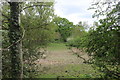
Area Information
Living in NW7 1EJ means residing within a tightly knit residential cluster of just 2.1 hectares. This specific postcode serves approximately 1,700 residents, creating an environment where neighbours are likely to know one another. The area sits firmly within the Greater London borough, offering a suburban feel while maintaining proximity to the city centre. Daily life for you revolves around a community of established homes rather than a sprawling development. The density of 1,592 people per square kilometre suggests a neighbourhood that is comfortable but not packed. You will find the streets are designed for housing generations of families who have put down roots. The character of the area is defined by its residential focus, with little commercial noise disrupting the morning routine. Prospective buyers look at NW7 1EJ as a microcosm of the wider Mill Hill region. It offers a quiet retreat without being isolated from transport links. The self-contained nature of the postcode means you are part of a defined community with clear boundaries. There are no major industrial sites or high-density flats dominating the skyline in this small area. Instead, the residential cluster provides a stable setting where the pace of life remains moderate. This makes it an ideal choice for those who prioritise a quieter, more contained living environment over the constant buzz of a large urban centre. The sheer size ensures that the landscape is dominated by houses and gardens rather than towering blocks of accommodation. You can expect a predictable and stable environment where the community fabric remains consistent over time.
- Area Type
- Postcode
- Area Size
- 2.1 hectares
- Population
- 1700
- Population Density
- 1592 people/km²
The property market in NW7 1EJ is distinctly characterised by owner-occupation, with 63% of residents owning their homes. This high figure indicates that the area is not a primary hub for private rented accommodation or student housing. Instead, the housing stock consists predominantly of houses, providing a consistent environment for buyers seeking traditional family living spaces. When you look at homes in NW7 1EJ, you are entering a market where stability reigns supreme. The low presence of rental units means you are less likely to face neighbors living on short-term contracts or large blocks of flats. This ownership dynamic influences the character of the neighbourhood significantly. Owners tend to invest more in their properties and engage more deeply with the community lifecycle. For a buyer, this suggests a neighbourhood garden party culture and a strong interchange of community knowledge. The houses here likely comprise semi-detached or detached properties, given the description of the accommodation type. This contrasts with dense urban environments where flats dominate. The market is saturated with homeowners who have been through cycles of development and restructuring, meaning the estate itself feels mature. You are buying into an established asset rather than a speculative development. The 1,700 population living within 2.1 hectares further confirms that land use is strictly for residential purposes, preserving the integrity of the housing stock against commercial encroachment.
House Prices in NW7 1EJ
No properties found in this postcode.
Energy Efficiency in NW7 1EJ
Your daily lifestyle in NW7 1EJ benefits from a practical array of amenities within reach. Retail options include Co-op Barnet and Waitrose Mill, offering groceries and daily necessities, alongside Asda Observatory for larger shopping runs. These five retail venues ensure that you do not need to travel far for basic household needs. Commuters can utilise an extensive network, with five nearby metro stations including Mill Hill East Station, West Finchley Station, and Woodside Park. For rail travel, you are close to Mill Hill Broadway and Hendon Station, providing direct links to central London and other parts of the country. Furthermore, two waterbus stops, such as Camden Lock Waterbus and London Zoo Waterbus Stop, offer a unique leisurely mode of transport. The lifestyle here combines suburban convenience with the possibility of short, scenic journeys via water. While you may not live in the city centre, the connectivity means you can easily split time between home and work. The presence of these specific venues like The Mount School or local stations shapes your weekly routine. You can shop at the Co-op without driving, catch an Overground train from Mill Hill East, or enjoy a boat trip on Regent's Canal. This blend of local practicality and regional connectivity defines the character of living in this postcode. The amenities are not overwhelming but sufficient to support a quality of life without requiring constant travel. The variety of transport modes, from tube trains to waterbuses, gives you the freedom to choose how you want to spend your leisure and commute time.
Amenities
Schools
Families residing in NW7 1EJ have access to a diverse mix of educational institutions within practical reach. The area features several primary schools, including Dollis Primary School and St Vincent's Catholic Primary School, which holds a good Ofsted rating. This specific rating provides assurance regarding the educational quality and care standards at St Vincent's. Dollis Junior School also serves the younger children in the locality, ensuring continuity of education within designated academy trusts. Beyond the state sector, there are prestigious independent options such as The Mount School and Mill Hill Pre-Preparatory School. The presence of independent schools alongside rated state primaries offers families flexibility in choosing an educational path. Parents can select from institutions that align with their specific values or academic aspirations for their children. The mix of school types caters to different preferences, ensuring that whether you prefer a faith-based Catholic environment or a selective independent curriculum, there are choices nearby. The proximity of these schools means that the daily commute for educators and students remains manageable for residents of the 2.1-hectare postcode cluster. Having multiple options reduces pressure on a single institution and spreads resources across the area. This educational infrastructure supports the demographic profile of the residents, who are largely families with children aged three to sixteen. The availability of both primary and independent education ensures that the community can remain attractive to parents who relocate specifically for schooling purposes.
| Rank | School | Type | Entry gender | Ages |
|---|
Explore more schools in this area
Go to Schools tabDemographics
The community profile of NW7 1EJ reflects a mature and stable population. The median age across the area is 47 years, indicating that the neighbourhood caters primarily to adults between the ages of 30 and 64. This demographic composition suggests families with young children or retirees seeking a settled lifestyle. Home ownership stands as a dominant feature of the area, with 63% of households owning their homes outright or through a mortgage. This significantly outpaces the national average and signals a community where residents have deep roots and long-term stability. The predominant form of accommodation consists of houses, which aligns perfectly with the high rate of home ownership. This housing stock supports families who value private gardens and larger living spaces over the density of apartment living. The demographic data also indicates that the White ethnic group forms the majority of the population, reflecting the traditional settlement patterns of this part of Greater London. There is no indication of significant youth bulges or transient renter populations disrupting the social fabric. The age profile creates a village-like atmosphere where neighbours are likely to be peers or know the next generation. This stability is crucial for family life, as schools and local amenities cater to permanent residents rather than a revolving door of occupants. The 47-year median age ensures that local services are designed for a demographic that values convenience and quality over temporary convenience.
Household Size
Accommodation Type
Tenure
Ethnic Group
Religion
Household Composition
Age
Household Deprivation
NS-SEC
Explore more demographic insights in this area
Go to Demographics tabPlanning
Planning Constraints
- Flood RiskPremium
- Ramsar Wetland SitesPremium
- Area of Outstanding Natural BeautyPremium
- Protected Nature ReservePremium
- Protected WoodlandPremium