Area Overview for NW6 7SJ
Photos of NW6 7SJ
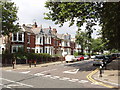
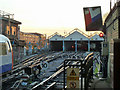
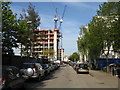
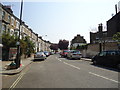
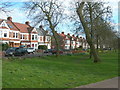

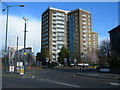
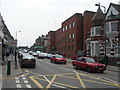
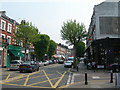
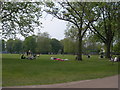
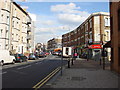
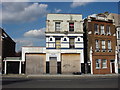
Area Information
NW6 7SJ is a specific postcode covering a small residential cluster within London. This neighbourhood contains 2,086 residents, creating a manageable community environment. Living in this area places you at the heart of North West London, offering direct access to the British postal system grid without the sprawl of outer boroughs. The location serves as a compact residential hub where daily life revolves around proximity to local facilities and transport links. You will find that this postcode functions as a tightly knit unit rather than a sprawling district. Residents benefit from a centralised layout that simplifies commuting and local shopping trips. The area does not claim to be vast; instead, it offers a concentrated living experience where neighbours are within earshot and amenities are close at hand. This specific cluster of homes provides a straightforward setting for family life or professional dwelling. You can expect a neighbourhood size that remains intimate despite its location within a major metropolis. The structure of the housing here suggests a community built on proximity and shared public services rather than isolation or urban density extremes.
- Area Type
- Postcode
- Area Size
- Not available
- Population
- 2086
- Population Density
- 4683 people/km²
The housing market in NW6 7SJ is defined by a specific preference for flats over detached or semi-detached houses. The accommodation type data confirms that flats represent the primary form of residential property in this sector. This structural characteristic influences who lives in the postcode and how the homes function within London's urban landscape. With 46% of households owning their homes, the area maintains a substantial proportion of owner-occupiers alongside a rental sector. This split indicates a dynamic environment where buyers may find established properties as well as investment rentals. The concentration of flats suggests a vertical living arrangement common in postcodes near major transport arteries. You should anticipate that the local real estate market will cater to those seeking low-maintenance urban living rather than garden homes. The presence of flats often correlates with higher energy efficiency ratings and proximity to public transit nodes. Buyers looking at this area should note that the housing stock is not dominated by terraced row buildings. Instead, the market reflects a shift towards compact, multi-storey dwellings suited to city dwellers. This housing type supports a lifestyle where residents rely less on car ownership for local mobility.
House Prices in NW6 7SJ
No properties found in this postcode.
Energy Efficiency in NW6 7SJ
Residents of NW6 7SJ enjoy convenient access to multiple transport modes and retail outlets within practical reach. The area is situated near five rail stations, including Brondesbury Park Station, Brondesbury Station, and Queen's Park Station. These hubs provide frequent services to central London and surrounding boroughs. You also benefit from five metro stations nearby, such as Kilburn Station, Kilburn Park Station, and Maida Vale Station. These underground lines offer direct routes avoiding traffic congestion on surface roads. Retail options include five significant shops with notable options like Tesco Willesden, Planet Organic Queen's, and Sainsburys Queens. These supermarkets ensure you can source groceries and household essentials without leaving the immediate vicinity. The neighbourhood also sits close to five transport stops offering waterbus services to Little Venice, London Zoo, and Camden Lock. This unique access to the Grand Union Canal provides leisure alternatives alongside standard bus services connecting to London Victoria Coach Station. Daily life here blends the convenience of major retail chains with the scenic utility of waterborne transport. You can walk to Tesco or hop on a bus at your local stop with equal ease. The variety of transport links means you can choose the route that fits your schedule or mood for any journey.
Amenities
Schools
Families living in NW6 7SJ have access to a range of educational institutions with varying Ofsted ratings. Salusbury Primary School and Salusbury Junior School operate as state-funded primary institutions serving the local catchment area. The primary section of Salusbury holds an outstanding Ofsted rating, signifying high standards in education and student outcomes. Islamia Primary School also functions as a state primary school within the immediate vicinity and carries a good Ofsted rating. Independent education options are available through Islamia School for Girls and Al-Sadiq School, both located near the area. Islamia School for Girls holds a good rating from Ofsted, while Al-Sadiq School has a satisfactory rating. This mix of state and private provision offers residents flexibility in choosing an education path for their children. You will find that state schools with top-tier ratings are present very close to your postcode. The presence of multiple independent schools does not imply native boarding arrangements but rather local day options. This educational environment supports families who value academic performance alongside diverse school types. The range of providers ensures that you are never far from a classroom matching your specific educational criteria.
| Rank | School | Type | Entry gender | Ages |
|---|
Explore more schools in this area
Go to Schools tabDemographics
The community in NW6 7SJ displays a distinct demographic profile centred on adults aged 30 to 64 years. The median age of the population is 47 years, indicating a neighbourhood settled by mature households rather than transient students or young renters. Home ownership stands at 46%, meaning slightly under half of the residents own their property outright or with a mortgage. This figure suggests a balanced market with significant investment in local real estate. The predominant accommodation type within this cluster consists of flats, which aligns with the urban density typical of London postcodes. The most common ethnic group in the area is White, reflecting the traditional composition of this part of North London. These statistics paint a picture of a stable population with long-term ties to the locality. You are likely to encounter residents who have established roots in the district for several decades. The age distribution confirms that the housing stock appeals to middle-aged families or professionals seeking established neighbourhoods. There is no evidence of a transient youth population dominating the census figures. The demographic data underscores a consistent community structure where the majority of residents are in the prime working and family-building years of life.
Household Size
Accommodation Type
Tenure
Ethnic Group
Religion
Household Composition
Age
Household Deprivation
NS-SEC
Explore more demographic insights in this area
Go to Demographics tabPlanning
Planning Constraints
- Flood RiskPremium
- Ramsar Wetland SitesPremium
- Area of Outstanding Natural BeautyPremium
- Protected Nature ReservePremium
- Protected WoodlandPremium