Area Overview for NW6 7JQ
Photos of NW6 7JQ
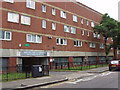
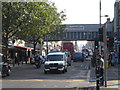
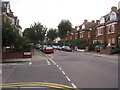
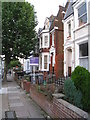
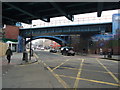
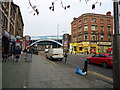
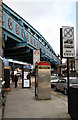
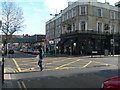
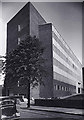
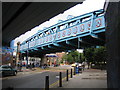
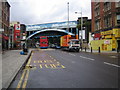
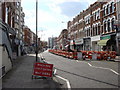
Area Information
Living in NW6 7JQ means residing within a very specific residential cluster covering just 911 square metres. This tiny footprint houses 1,921 people, creating a high-density environment typical of central London postcodes. The area lies in England where daily life is defined by proximity to employment hubs and transport links. You are part of a population where the majority are adults aged between 30 and 64 years. This demographic concentration suggests a stable, working-age community rather than a family-heavy zone with young children. The character of NW6 7JQ is shaped by its accommodation type, which consists primarily of flats. This layout dictates a vertical living experience common in London's inner-west districts. You navigate a neighbourhood where space is at a premium, leading to a lifestyle focused on accessibility rather than gardens or private grounds. The sheer population density of 2,109,445 people per square kilometre indicates a micro-community integrated tightly into the broader Kilburn and Brondesbury landscape. Residents here rely on public infrastructure for everything from shopping to commuting, making the area dependent on the efficiency of surrounding stations and shops. Your daily routine likely revolves around the nearest rail and metro lines that serve this postcode. The area functions as a transit corridor, offering convenience for those with moderate budgets who prioritise location over single-famiy housing.
- Area Type
- Postcode
- Area Size
- 911 m²
- Population
- 1921
- Population Density
- 16575 people/km²
The property market in NW6 7JQ is characterised by a heavy skew towards rental living, as only 24% of residents own their homes. This statistic confirms that the vast majority of the 1,921 people living in this 911 square metre postcode are tenants. Accommodation throughout NW6 7JQ consists primarily of flats, meaning you will not find many detached houses or large semi-detached properties when browsing listings. This housing stock suits individuals, couples, or small families who prefer low-maintenance living close to transport hubs. The dominance of flats in this specific area contrasts with surrounding neighbourhoods that may offer larger properties, creating a distinct micro-market for this postcode. Buyers looking for homeownership in NW6 7JQ face stiff competition, as very few properties are listed as owner-occupied. Instead, the market is driven by landlords and development managers who supply units to the steady stream of adult renters aged 30 to 64 years. Your options here are likely limited to leasehold flats rather than freehold properties. This type of housing often comes with ground rents and service charges, which are standard considerations for any prospective buyer or serious renter. The area appeals to those who prioritise location and commute times over the ability to build long-term equity in a single property. Understanding this market structure is essential before viewing homes in NW6 7JQ, as expectations must align with the reality of a dense, rental-led environment.
House Prices in NW6 7JQ
No properties found in this postcode.
Energy Efficiency in NW6 7JQ
Your lifestyle in NW6 7JQ benefits from an extensive network of amenities located within practical reach. You have five railway stations nearby, including Brondesbury Station and West Hampstead Railway Station, which simplify your daily commutes. Shopping convenience is high, with Sainsburys Kilburn, Tesco Willesden, and Tesco Kilburn offering essential groceries and household goods. If you prefer the Underground, five metro stations such as Kilburn Station and Finchley Road Station provide fast links to central London. For a different pace, five ferry options are available, including the Little Venice Waterbus Stop and the London Zoo Waterbus Stop, allowing you to travel via water or visit recreational sites like Camden Lock. While bus options exist, they include larger coach stations like London Victoria Coach Station, which serve as links to nationwide travel rather than local routes. This mix of transport modes and retail outlets means you rarely need to venture far for daily necessities. You can switch easily between shopping at a local Tesco, taking a waterbus to the zoo, or hopping on a train to the city. The density of these facilities within a small 911 square metre area creates a highly accessible environment for residents. This connectivity supports a busy, efficient way of life typical of inner-London flat living.
Amenities
Schools
| Rank | School | Type | Entry gender | Ages |
|---|
Explore more schools in this area
Go to Schools tabDemographics
The community in NW6 7JQ is defined by a median age of 47, with adults aged 30 to 64 years representing the most common age range. This demographic profile points to a mature neighbourhood where long-term residents and established professionals form the core of the population. Owning a home in this specific postcode is relatively uncommon, with only 24% of residents being homeowners. This low ownership rate strongly indicates that the area operates as a significant rental market where renters outnumber owners by more than four to one. The prevailing accommodation type comprises flats, which aligns with the high demand from tenants seeking urban living in central London. The predominant ethnic group in NW6 7JQ is White, reflecting the broader historical composition of the Kilburn district. You are part of a population where established households may be more common given the age profile, yet the rental market remains dominant. The high population density further influences social dynamics, creating an environment where neighbours are close physically but privacy is balanced through apartment living arrangements. This demographic mix suggests a neighbourhood suited to professionals and mobile families who value transport links over asset accumulation in this specific cluster. The steady presence of adults in their prime working years ensures consistent local demand for services tailored to working lifestyles.
Household Size
Accommodation Type
Tenure
Ethnic Group
Religion
Household Composition
Age
Household Deprivation
NS-SEC
Explore more demographic insights in this area
Go to Demographics tabPlanning
Planning Constraints
- Flood RiskPremium
- Ramsar Wetland SitesPremium
- Area of Outstanding Natural BeautyPremium
- Protected Nature ReservePremium
- Protected WoodlandPremium