Area Overview for NW6 1JE
Photos of NW6 1JE
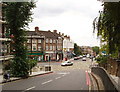
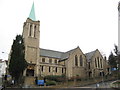
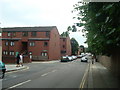
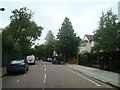
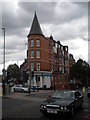
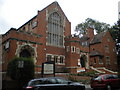
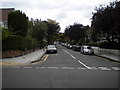
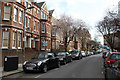
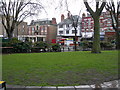
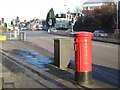
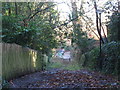
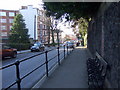
Area Information
Living in NW6 1JE means residing within a specific postcode area that covers a small residential cluster measuring just 588 m². This compact zone holds a population of 1830 people, creating a distinct neighbourhood character defined by its large, unutilised space relative to its inhabitants. The density figures suggest a population spread over a large area, which often results in spacious surroundings for those seeking a quiet retreat from the wider London sprawl. Residents find themselves in a location where the immediate footprint exists as a defined cluster rather than a continuous urban street grid. Daily life here revolves around proximity to key transport hubs while enjoying the relative separation provided by the area's physical layout. You will navigate a space where the small geographical cluster impacts how services and neighbours are accessed compared to denser postcodes. The area functions as a gateway point within the NW6 region, offering a unique geographical identifier for a substantial group of residents. Understanding this layout is crucial for anyone considering homes in NW6 1JE, as it defines the boundaries of your immediate local environment.
- Area Type
- Postcode
- Area Size
- 588 m²
- Population
- 1830
- Population Density
- 10971 people/km²
The property market in NW6 1JE is characterised by a specific housing stock primarily consisting of flats. This accommodation type defines the physical landscape of the 588 m² area and influences the aesthetic of the neighbourhood. With 41% home ownership rates, the market presents a scenario where investment and rental sectors operate side by side in significant numbers. Buyers looking at this small postcode area will find themselves examining a cluster of flats rather than standalone houses or terraced rows. This predominance of flats often appeals to those seeking low-maintenance living within a London postcode district. The lower-than-average home ownership figure of 41% indicates a competitive rental market alongside the owner-occupied sector. Prospective owners should expect a landscape where leasehold flats form the core of the housing supply. Understanding that flats dominate this area helps clarify pricing structures and renovation potential for anyone serious about purchasing home. The market reflects the practical realities of a post-war London suburb where density met space constraints.
House Prices in NW6 1JE
Showing 1 properties
| Address | Type | Beds | Baths | Last Sale Price | Last Sale Date | |
|---|---|---|---|---|---|---|
| 36 Honeybourne Road, London, NW6 1JE | Flat | - | - | - | - |
Energy Efficiency in NW6 1JE
Residents of NW6 1JE enjoy excellent access to a diverse range of amenities within practical reach of their homes. Supermarket choices include Waitrose Little, Sainsburys West, and Tesco West, ensuring you have options for daily grocery shopping without needing to travel far. Transport links are extensive, with five railway stations nearby including West Hampstead Thameslink and West Hampstead Overground for national rail connections. Metro access is equally strong, featuring Finchley Road, Hampstead, and Kilburn stations for Underground travel. Five bus routes serve the area, including services to London Victoria Coach Station for long-distance travel. The region also boasts five waterbus stops at London Zoo, Camden Lock, and Little Venice, adding an alternative, scenic mode of transport. You will find these five retail and five rail options make navigating daily life convenient and flexible. This density of public transport means you can reach other parts of the city efficiently from your flat.
Amenities
Schools
| Rank | School | Type | Entry gender | Ages |
|---|
Explore more schools in this area
Go to Schools tabDemographics
The community in NW6 1JE reflects a mature demographic with a median age of 47 years. The most common age range comprises adults between 30 and 64 years old, indicating a neighbourhood dominated by established residents rather than young families or students. Home ownership stands at 41%, suggesting that nearly half of the households have purchased properties while the remainder likely rent. This balance points to a mixed market where long-term stability coexists with rental occupation. The predominant ethnic group is White, giving the area a specific cultural demographic profile. Approximately 1830 people call this postcode their home, forming a tight-knit community within this small cluster. Unlike some London districts with rapidly shifting populations, this age group suggests a preference for staying in their neighbourhoods as they progress through life. The accommodation type is flats, which fits the profile of an area where existing stock might have been converted or specifically built for smaller living units. These figures define a stable, middle-aged population living in predominantly flat accommodation with a majority of owners.
Household Size
Accommodation Type
Tenure
Ethnic Group
Religion
Household Composition
Age
Household Deprivation
NS-SEC
Explore more demographic insights in this area
Go to Demographics tabPlanning
Planning Constraints
- Flood RiskPremium
- Ramsar Wetland SitesPremium
- Area of Outstanding Natural BeautyPremium
- Protected Nature ReservePremium
- Protected WoodlandPremium