Area Overview for NW5 2JN
Photos of NW5 2JN
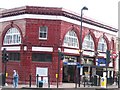
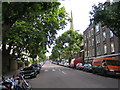
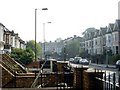
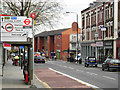
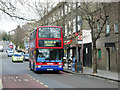
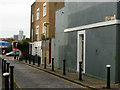
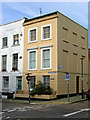
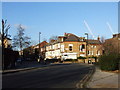
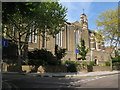
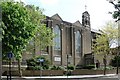
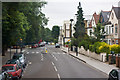
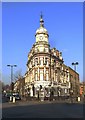
Area Information
Living in NW5 2JN means residing within a specific residential cluster located in north London. This postcode covers a small population of 1,875 people, creating a relatively compact neighbourhood where daily life revolves around proximity to key urban centres. The area functions as a focused residential hub rather than a sprawling district, which often results in a tighter community feel compared to wider boroughs. Residents here enjoy direct access to major transport links without needing to travel far for essential services. The location sits within the N8 post code vicinity, known for its Victorian and Edwardian residential streets interspersed with green spaces and local amenities. You will find yourself in a setting that blends the convenience of city living with the quiet scale of a postcode-defined locality. The environment is practical and established, avoiding the tourist-heavy chaos of nearby markets while maintaining easy reach to them. Daily routines involve walking to nearby tube stations or using local bus routes that integrate seamlessly with the wider London network. For families or professionals, the setup offers a stable base with short commutes to central London. The area's identity is defined by its specific postcode status, which distinguishes it from the broader and more varied surroundings of Kentish Town and Finsbury Park.
- Area Type
- Postcode
- Area Size
- Not available
- Population
- 1875
- Population Density
- 15072 people/km²
The property market in NW5 2JN is characterised by a distinct lack of standalone houses, as flats constitute the primary accommodation type for this postcode. With only 28% of residents owning their homes, the market functions significantly as a rental sector or a hub for those entering the property ladder via purchase. This low ownership figure compared to national averages suggests a dynamic market where long-term residents may be less common than in areas with established owner-occupier bases. For buyers looking for homes in NW5 2JN, the focus shifts toward finding property in blocks that offer modern fittings or recent extensions, given the flat-dominated stock. The small area definition of the postcode means that search parameters often need to expand slightly to Kentish Town or nearby zones to find houses or larger family homes. The concentration of flats means that communal living arrangements are the norm, influencing privacy, noise levels, and building maintenance responsibilities. Prospective owners here must weigh the benefits of low-rise apartment living in a convenient location against the potential challenges of leasehold arrangements or service charges. The market reflects the broader trends of London where ownership rates have plateaued while rental demand remains high for this specific accommodation style.
House Prices in NW5 2JN
No properties found in this postcode.
Energy Efficiency in NW5 2JN
Daily life in NW5 2JN is supported by a dense network of amenities located within practical walking or driving distance. Five retail outlets serve the area, featuring notable shops like Sainsburys Fortress, Co-op Fortress, and Budgens Tufnell Park, which provide daily essentials alongside weekly groceries. Transport convenience is further enhanced by five metro hubs including Tufnell Park Station, Chalk Farm Station, and Holloway Road Station, offering direct links to central London. Rail access is equally robust with five stations serving the community, including Gospel Oak Station, Upper Holloway Station, and Kentish Town West Station. For leisure, five ferry services add variety, with stops like Camden Lock Waterbus and Little Venice Waterbus Stop providing views of the Regent's Canal. Bus connectivity is extensive, with three major routes connecting to London Victoria Coach Station Arrivals and the Green Line Coach Station. This array of options means you can shop, travel, or relax without needing a vehicle. The presence of multiple supermarkets ensures fresh food is always accessible from your doorstep. Whether you need to catch a train or grab a lunch, the local infrastructure is designed for convenience and speed.
Amenities
Schools
Families considering NW5 2JN benefit from access to two outstanding primary schools within practical reach. Eleanor Palmer Primary School holds an outstanding Ofsted rating and serves the local community with a focus on early education excellence. Kentish Town Church of England Primary School also carries an outstanding rating, providing an alternative for those seeking a faith-based or specific pedagogical approach. Both schools are ofsted rated outstanding, which confirms their status as top performers in the national league tables of education. This concentration of high-quality primary education is rare for a small postcode cluster and offers significant advantage to parents. You do not need to travel far from your home in NW5 2JN to secure a place at these institutions. The mix of state-funded primary options ensures that quality education is available without private school fees. These schools cater to young children, supporting families who have settled in the area for their offspring. The presence of two outstanding-rated facilities reduces the strain on catchment boundaries and provides choice for parents navigating the London school admission system.
| Rank | School | Type | Entry gender | Ages |
|---|
Explore more schools in this area
Go to Schools tabDemographics
The community within NW5 2JN is defined by a steady, mature age profile, with a median age of 47 years. The most common age range consists of adults between 30 and 64 years, indicating a population likely consisting of established households rather than students or young families just starting out. Home ownership stands at 28%, a figure that suggests a predominantly rental market or a high proportion of first-time buyers and shared ownership schemes typical of London's inner suburbs. This lower ownership rate often reflects the cost of living in central London where the housing stock does not continuously age with the residents. Flats constitute the primary accommodation type, aligning with the area's density and urban nature. The predominant ethnic group is White, which forms the majority demographic alongside a diverse mix that has become common in north London over recent decades. While deprivation data is not explicitly quantified in the provided statistics, the housing mix of flats and the rental-heavy environment often correlates with specific socio-economic pressures found in central London boroughs. The area supports those seeking stability in a defined age bracket who have adapted to apartment living without large gardens.
Household Size
Accommodation Type
Tenure
Ethnic Group
Religion
Household Composition
Age
Household Deprivation
NS-SEC
Explore more demographic insights in this area
Go to Demographics tabPlanning
Planning Constraints
- Flood RiskPremium
- Ramsar Wetland SitesPremium
- Area of Outstanding Natural BeautyPremium
- Protected Nature ReservePremium
- Protected WoodlandPremium