Area Overview for NW10 4RH
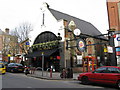
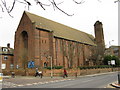
Photos of NW10 4RH
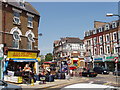
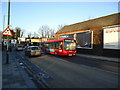
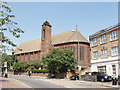


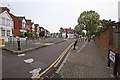
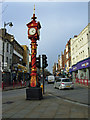
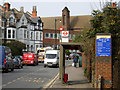
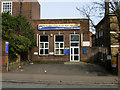
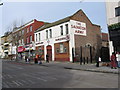
Area Information
Living in NW10 4RH means residing within a very small, densely packed residential cluster defined by postcode geography. This specific area covers 1,693 square metres and accommodates a population of 1,144 people. Such a compact footprint suggests a neighbourhood character that is tightly bound, where daily routines centre on immediate proximities rather than sprawling urban exploration. The sheer density of 675,535 people per square kilometre within this postcoding designation creates an environment of close physical proximity. You are buying into a location that functions as a concentrated hub rather than an expansive locality. Daily life here is organised around the necessities of a confined yet fully serviced space. The area does not offer the broad swathes of land found in larger districts but provides a focused living experience. Prospective buyers must understand that "NW10 4RH" refers to a precise residential address cluster defined by its spatial constraints. You live here with the knowledge that your neighbours are physically close and the local infrastructure is designed to serve this specific, small population base.
- Area Type
- Postcode
- Area Size
- 1693 m²
- Population
- 1144
- Population Density
- 18422 people/km²
The property market in NW10 4RH is distinctively characterised by a rental dominance. Only 17% of households report home ownership, which indicates that rental accommodation constitutes the primary housing stock in this postcode. Consequently, the market operates as a vivid rental hub rather than a traditional buy-to-build or equity-focused district. The predominant accommodation type is flats, confirming that the physical housing stock consists of apartment blocks or converted structures suited to smaller, high-density living spaces. This profile suggests that if you are looking to purchase, you are entering a niche market where leasehold flats outpace freehold houses significantly. The very small area size of 1,693 square metres further restricts the type of property available, limiting large family homes in favour of compact residential units. Buyers must approach this region with expectations aligned with a high-rental volume environment. The limited space also means conversion opportunities or sprawling garden plots are unlikely features here. Understanding the 17% ownership figure is crucial for negotiating or purchasing, as the local ecosystem revolves around tenancy agreements.
House Prices in NW10 4RH
Showing 12 properties
| Address | Type | Beds | Baths | Last Sale Price | Last Sale Date | |
|---|---|---|---|---|---|---|
| 4 Nightingale Road, London, NW10 4RH | Flat | 3 | 1 | £147,500 | Jul 2001 | |
| 12B Nightingale Road, London, NW10 4RH | Flat | 4 | - | - | - | |
| 6B Nightingale Road, London, NW10 4RH | Flat | - | - | - | - | |
| 10B Nightingale Road, London, NW10 4RH | Flat | - | - | - | - | |
| 8A Nightingale Road, London, NW10 4RH | Flat | - | - | - | - | |
| 6A Nightingale Road, London, NW10 4RH | Flat | - | - | - | - | |
| 12A Nightingale Road, London, NW10 4RH | Flat | - | - | - | - | |
| 2A Nightingale Road, London, NW10 4RH | Flat | - | - | - | - | |
| 2B Nightingale Road, London, NW10 4RH | Flat | - | - | - | - | |
| 10A Nightingale Road, London, NW10 4RH | Flat | 3 | 1 | - | - |
Energy Efficiency in NW10 4RH
Your daily lifestyle in NW10 4RH benefits from a diverse range of transport links and local amenities within practical reach. For rail commutes, you have access to Willesden Junction Low Level Railway Station, Willesden Junction Station, and Harlesden Station. The metro network provides further options via North Acton Station, East Acton Station, and Dollis Hill Station. If you prefer buses, routes connect you to London Victoria Coach Station Arrivals, the Victoria Coach Station, and Green Line Coach Station. Retail needs are met by Iceland Harlesden, Tesco Harlesden, and Co-op Kensal, ensuring your weekly groceries are a short journey away. For water-based leisure or travel, the Little Venice Waterbus Stop, London Zoo Waterbus Stop, and Kew Pier are available nearby. This variety of facilities means you can manage work, shopping, and leisure without venturing far beyond your immediate surroundings. The combination of multiple transport modes and essential retail highlights the convenience of the area. You gain the benefit of a multi-modal transport network that serves both commuting and local errands efficiently.
Amenities
Schools
| Rank | School | Type | Entry gender | Ages |
|---|
Explore more schools in this area
Go to Schools tabDemographics
The community within NW10 4RH is predominantly composed of adults, with the most common age range falling between 30 and 64 years. The median age for residents is 47, indicating a mature population base rather than a transient student or young professional demographic. Home ownership stands at 17%, meaning the vast majority of households reside in rental properties. This low percentage signals a market driven by tenancy rather than permanent residence. The predominant ethnic group is White, reflecting the primary demographic makeup of this specific postcode sector. Accommodation types are almost exclusively flats, aligning with the high population density and small land area of the zone. Deprivation is not explicitly quantified in the available statistics for this cluster, so you must gauge quality of life through housing type and tenure rather than statistical indices. The concentration of adult residents in flats suggests a shared living environment or a reliance on furnished rentals. You should expect a demographic profile that favours established adults navigating life in a high-density flat layout.
Household Size
Accommodation Type
Tenure
Ethnic Group
Religion
Household Composition
Age
Household Deprivation
NS-SEC
Explore more demographic insights in this area
Go to Demographics tabPlanning
Planning Constraints
- Flood RiskPremium
- Ramsar Wetland SitesPremium
- Area of Outstanding Natural BeautyPremium
- Protected Nature ReservePremium
- Protected WoodlandPremium