Area Overview for NW1 2NL
Photos of NW1 2NL
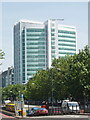



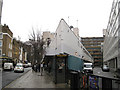
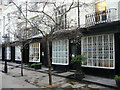
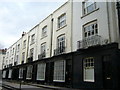
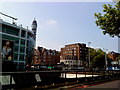
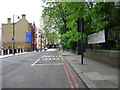
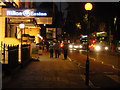
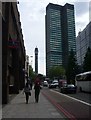
Area Information
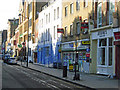
The postcode NW1 2NL covers a small residential cluster within London, England, representing a tightly knit environment with a population of 2,576 residents. You might recognise this area as being close to Regent's Park, one of London's Royal Parks. This 410-acre landscape, originally known as Marylebone Park, was designed by John Nash in the early 19th century as a pleasure garden before opening to the public in 1835. The historic site features notable landmarks such as London Zoo, established in 1826, and the Victorian Broad Walk. Living in NW1 2NL means residing near Grade I listed historic grounds that were once royal hunting grounds. The locality sits at the periphery of these extensive parklands, offering proximity to significant green space while remaining part of the north-west inner London fabric. Daily life here is defined by the intersection of a designated Grade I listed landscape and a compact residential footprint. You are situated near the boundary where historic planning meets modern urban density, enjoying immediate access to a protected landscape monument without being deep within the countryside. This specific cluster benefits from the regulated environment of a major royal park nearby, ensuring maintained infrastructure and mature surroundings. The character of NW1 2NL is shaped entirely by its adjacency to these historic gardens and its integration into the wider Camden administration area.
- Area Type
- Postcode
- Area Size
- Not available
- Population
- 2576
- Population Density
- 7599 people/km²
The property market in NW1 2NL is distinctly defined by its accommodation type. Flats form the predominant accommodation type in this postcode area. This structure implies that space can be premium and that individual units may occupy entire buildings or share walls extensively. With only 13% of the population owning their home, the market is heavily weighted towards renting rather than owner-occupation. You will find that buying a freehold property in NW1 2NL is significantly more challenging than finding a tenanted flat. The low homeownership rate signals that the area attracts investors or professionals who prioritise accessibility over equity building. If you are considering purchasing homes in NW1 2NL, expect to encounter a competitive environment where rental listings outnumber sales. The presence of flats aligns perfectly with the high density of the residential cluster, meaning green space within the immediate private property footprint will be limited. Buyers should focus on leasehold properties or shared ownership schemes, as these mechanisms are often more common in areas with such low ownership rates. The housing stock is designed for efficiency and proximity to amenities, sacrificing the expansive back gardens typical of outer London suburbs. Consequently, the value proposition here lies in location and convenience rather than square footage or structural independence.
House Prices in NW1 2NL
No properties found in this postcode.
Energy Efficiency in NW1 2NL
Residents of NW1 2NL enjoy immediate access to a diverse range of amenities within practical reach. You can find five retail outlets nearby, including Sainsburys London Euston, Amazon Fresh, and Sainsburys London. Shopping needs are covered by both supermarket chains and convenience stores. For travel connections, five metro stations stand ready at Euston Square, Warren Street Station, and Great Portland Street. Transport choices extend to rail services at London Euston Railway Station, London St Pancras International LL Railway Station, and St Pancras International Station. If you prefer bus travel or longer distance coaches, three services operate in the vicinity, including the Green Line Coach Station and London Victoria Coach Station Arrivals. For leisure and exploration, five ferry stops offer passage across the river, such as the Camden Lock Waterbus, London Zoo Waterbus Stop, and Savoy Pier. Living in NW1 2NL places your daily routine within striking distance of major commercial hubs. You can walk to grocery stores and connect to the wider transport network without congestion. The presence of so many transport modalities means you can switch modes easily depending on your destination. The variety of amenities ensures that daily errands and occasional trips do not require a car. Retail choices cater to a mix of daily shopping and general household needs, while the ferry options provide scenic routes for leisure trips into central London.
Amenities
Schools
For families considering schools near NW1 2NL, the available options are limited to a primary educational setting and a alternative provision unit. Netley Primary School & Centre for Autism is the nearest school to this postcode. This institution operates as a primary school and holds an Ofsted rating of good. This rating indicates that the school meets the required standards for education and care. For specific young persons or those requiring alternative provision, Camden Primary Pupil Referral Unit is another nearby option categorised as an other type of school. The school mix near NW1 2NL does not currently list secondary institutions. This absence reflects the demographic reality where most residents are aged 15 to 29 years, and many are likely still in education or have already moved to areas with comprehensive high schools. You must factor in travel times to secondary schools located further afield. The proximity of a primary school with a good rating suggests that if young children are born into households in this area, they have immediate access to regulated primary education. However, the presence of a Pupil Referral Unit also indicates that the area caters to specific educational needs alongside standard primary schooling.
| Rank | School | Type | Entry gender | Ages |
|---|
Explore more schools in this area
Go to Schools tabDemographics
Living in NW1 2NL means sharing a community where young adults dominate the skyline. The median age sits at 22 years, with young adults aged 15 to 29 years constituting the most common age range. This demographic profile suggests an area favoured by students, recent graduates, and early career professionals rather than established families. Home ownership remains low, with only 13% of residents owning their property. The prevailing accommodation type consists of flats, indicating a high-density living model typical of London's inner zones. The predominant ethnic group is White, providing a clear picture of the cultural composition within this specific small area. You can expect a vibrant, youthful atmosphere where short-term tenancies and rented properties likely outnumber owner-occupied homes. The concentration of young residents often correlates with a demand for services tailored to single occupiers or couples without children. Given that 87% of the population does not own their home, the local economy probably relies heavily on renting and service sectors that support transient or non-property-owning worker populations. The area lacks the older, multi-generational households found in more traditional London suburbs. This youthful skew shapes everything from local business hours to community engagement, creating an environment where new trends emerge quickly but stability based on long-term residency is less common.
Household Size
Accommodation Type
Tenure
Ethnic Group
Religion
Household Composition
Age
Household Deprivation
NS-SEC
Explore more demographic insights in this area
Go to Demographics tabPlanning
Planning Constraints
- Flood RiskPremium
- Ramsar Wetland SitesPremium
- Area of Outstanding Natural BeautyPremium
- Protected Nature ReservePremium
- Protected WoodlandPremium