Area Overview for NW1 1ST
Photos of NW1 1ST
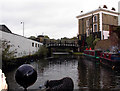



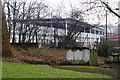
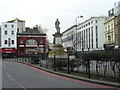
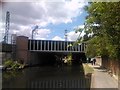
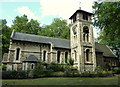
Area Information
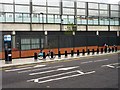
Living in NW1 1ST means residing within a compact residential cluster of just 1.1 hectares in North London. You are part of a small community of 1,348 people, situated in St Pancras and Somers Town ward within the London Borough of Camden. This postcode area sits amidst three major railway termini: Euston, Kings Cross, and St Pancras, creating a dynamic urban environment centred around Chalton Street. The area preserves its historical roots, having developed in the 1790s after Earl Camden opened fields north and west of St Pancras Old Church. While the ward encompasses dense residential blocks, the small footprint of NW1 1ST delivers a concentrated living experience. Historically, this district faced significant overcrowding before Victorian revitalisation, yet it retained features like the Sidney Street estate completed in 1938. Today, you live in an area defined by its proximity to national transport links and its dense urban fabric. The neighbourhood offers immediate access to high-speed rail connections to the Midlands, the North, and continental Europe via St Pancras International. You reside close to major road networks including Euston Road, Eversholt Street, and Pancras Road. Despite its small size, NW1 1ST integrates seamlessly into the broader St Pancras and Somers Town ward, offering residents a position deep within London's transport web.
- Area Type
- Postcode
- Area Size
- 1.1 hectares
- Population
- 1348
- Population Density
- 21080 people/km²
The property market in NW1 1ST is almost entirely defined by the rental sector due to extremely low ownership levels. Only 5% of residents own their homes, meaning you are likely to join a large community of tenants rather than neighbours who have built equity together. The accommodation type is exclusively flats, fitting the dense urban fabric of this small 1.1-hectare cluster. This lack of detached or semi-detached housing dictates the visual character and noise levels of your street. You are buying or renting within a ward where Council-owned blocks dominate the skyline. The high population density of 11,735 people per square kilometre creates a lived environment distinct from suburban residential zones. Surviving Georgian houses towards Bloomsbury and Holborn have become sought after, but within NW1 1ST, the stock remains heavily oriented towards multi-unit flats. Your investment strategy must account for a purely tenanted environment where leasehold terms and building management play a larger role than in owner-occupied estates. The area does not offer traditional family homes with gardens; instead, it provides urban living within a historic ward shaped by railway expansion and social housing initiatives from the mid-20th century.
House Prices in NW1 1ST
Showing 87 properties
| Address | Type | Beds | Baths | Last Sale Price | Last Sale Date | |
|---|---|---|---|---|---|---|
| Flat 36, Oakshott Court, Polygon Road, London, NW1 1ST | Maisonette | 3 | 1 | - | - | |
| Flat 69, Oakshott Court, Polygon Road, London, NW1 1ST | Flat | 1 | 1 | - | - | |
| Flat 87, Oakshott Court, Polygon Road, London, NW1 1ST | Flat | 2 | - | - | - | |
| Flat 97, Oakshott Court, Polygon Road, London, NW1 1ST | Maisonette | 4 | 2 | - | - | |
| Flat 50, Oakshott Court, Polygon Road, London, NW1 1ST | Flat | 3 | 2 | - | - | |
| Flat 104, Oakshott Court, Polygon Road, London, NW1 1ST | Maisonette | - | - | - | - | |
| Flat 66, Oakshott Court, Polygon Road, London, NW1 1ST | Maisonette | - | - | - | - | |
| Flat 70, Oakshott Court, Polygon Road, London, NW1 1ST | Flat | - | - | - | - | |
| Flat 94, Oakshott Court, Polygon Road, London, NW1 1ST | Flat | 1 | 1 | - | - | |
| Flat 80, Oakshott Court, Polygon Road, London, NW1 1ST | Flat | - | - | - | - |
Energy Efficiency in NW1 1ST
Daily life in NW1 1ST offers immediate access to major retail and travel hubs without requiring a long walk. You are just steps away from London Euston Railway Station, London St Pancras International, and the Mornington Crescent, Euston Square, and Warren Street metro stations. When you need groceries, five major supermarkets are within practical reach, including M&S Euston Rail SF, Sainsburys London, and M&S St Pancras Main Rail SF. Shopping needs are met easily by choosing between these convenient locations which serve the residential cluster surrounding your home. Your leisure and transportation options extend beyond standard bus and rail. You can access Camden Lock Waterbus, London Zoo Waterbus Stop, and Savoy Pier for scenic river journeys. The nearby Victoria Coach Station, London Victoria Coach Station Arrivals, and Green Line Coach Station provide bus connections to destinations across the south east. Living in NW1 1ST means you remain central to London's infrastructure, with five key retail outlets, five railway terminuses, and five metro stations all clustered within your immediate walking distance. The area combines the convenience of high-street shopping with the expansive network of London's public transport system.
Amenities
Schools
Families in NW1 1ST have access to several Catholic primary schools located within their immediate vicinity. You can choose between St Aloysius Catholic Primary School and St Aloysius Roman Catholic Infant School, both offering primary education for younger children. Maria Fidelis Catholic School FCJ also operates in the area and holds a good Ofsted rating, providing a verified standard of care and curriculum quality. The presence of three distinct primary institutions indicates a choice for parents, even though secondary school options are not listed in the available data. The concentration of Catholic schools suggests a strong denominational presence within the local community planning. When you consider living in NW1 1ST, access to education is immediate, with no need for long-distance commutes to reach your child's first years of schooling. The mix of school types offers variety, and the specific Ofsted rating for Maria Fidelis provides concrete assurance regarding educational standards. For families with older children, the data available focuses strictly on these primary-level options, meaning you would need to research secondary provision separately to complete your education search for the area.
| Rank | School | Type | Entry gender | Ages |
|---|
Explore more schools in this area
Go to Schools tabDemographics
The community in NW1 1ST reflects a mature profile with a median age of 47 years. Most residents fall into the adult range between 30 and 64 years old, indicating a neighbourhood dominated by established households rather than young families or teenagers. This age structure suggests stability within your local environment. House ownership is low, with only 5% of residents owning their homes outright. Consequently, the vast majority of the population rents their accommodation, primarily living in flats. You share your neighbourhood with predominantly White residents, though the area historically hosted French Revolution refugees and later students and refugees. The area is listed among the 10% most deprived in the country, which influences the local socio-economic landscape. This status is characterised by a concentration of Council-owned residential blocks that have largely prevented gentrification. While surviving Georgian houses nearby are becoming sought after, NW1 1ST itself maintains a character of density and social housing prevalence. You live among classmates who have grown up in this specific ward, contributing to a community defined by shared economic realities rather than exclusive property ownership.
Household Size
Accommodation Type
Tenure
Ethnic Group
Religion
Household Composition
Age
Household Deprivation
NS-SEC
Explore more demographic insights in this area
Go to Demographics tabPlanning
Planning Constraints
- Flood RiskPremium
- Ramsar Wetland SitesPremium
- Area of Outstanding Natural BeautyPremium
- Protected Nature ReservePremium
- Protected WoodlandPremium