Area Overview for NW1 1DQ
Photos of NW1 1DQ
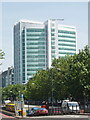
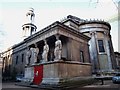
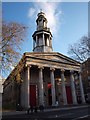
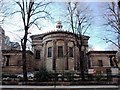
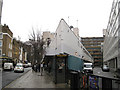
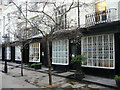
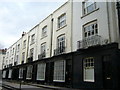
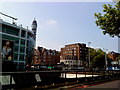
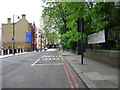
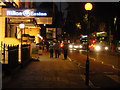
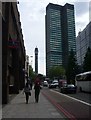
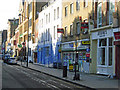
Area Information
Living in NW1 1DQ means residing in a small residential cluster within the London Borough of Camden, home to a population of 1,505 people. This postcode is situated at the heart of the St Pancras and Somers Town ward, an area defined by its proximity to three major railway termini: Euston, which opened in 1838; Kings Cross, dating from 1852; and St Pancras Railway Station, which commenced operations in 1868. The ward is bounded by key thoroughfares including Euston Road, Eversholt Street, Crowndale Road, and Pancras Road. Like the wider ward, this neighbourhood is not managed by traditional estate agencies but often features family-run businesses and private sales. The area's character is shaped by its history as a working-class district that developed alongside significant railway expansion. Historical records note that the initial development in the 1790s involved Georgian housing schemes that eventually evolved into the dense blocks seen today. While the wider ward contains some surviving Georgian houses near Bloomsbury and Holborn that have become sought after, the 1,505 residents of this specific postcode area live within a zone where railway approaches and station influences dominate the street pattern. The community reflects the broader ward's demographic profile, which has historically included students, residents from various ethnic backgrounds, and those seeking affordable accommodation close to central London transport links. Daily life here is intrinsically linked to the rhythm of these national railway hubs, offering unparalleled access to the Midlands, the North, and continental Europe.
- Area Type
- Postcode
- Area Size
- Not available
- Population
- 1505
- Population Density
- 9477 people/km²
The property market in NW1 1DQ is defined by a distinct lack of traditional owner-occupied housing. With only 13% of households in this postcode owning their property, the market is heavily weighted towards the rental sector. The overwhelming majority of accommodation consists of flats, a direct result of the dense, Council-owned residential blocks that characterise the St Pancras and Somers Town ward. This housing stock dates back to the early 20th century, most notably the Sidney Street estate completed in 1938. This development features 250 flats arranged in blocks named after saints, such as St George's block, which served as a trailblazer for social housing design. For prospective buyers looking at homes in this small area, the low home ownership percentage indicates that purchasing directly here is rare. Instead, the market reflects a history of concentrated Council ownership that has largely prevented the gentrification patterns seen in adjacent areas. Surviving Georgian houses nearby in the wider ward have become increasingly sought after, but the flats within NW1 1DQ remain the primary form of housing. These properties were originally designed to accommodate a working-class community and continue to support a demographic of students and junior professionals. The combination of flat-dominant stock and low ownership means that sellers or landlords in this postcode are likely offering rental units rather than freehold properties for conventional buyers. Investors or tenants looking for value in the Camden rental market will find the highest concentration of supply in this specific cluster.
House Prices in NW1 1DQ
No properties found in this postcode.
Energy Efficiency in NW1 1DQ
Daily life in NW1 1DQ offers immediate access to a dense network of amenities, all located within a very short walking distance from each resident. Five shopping venues are readily available, ranging from Sainsburys London to M&S Euston Rail SF and M&S St Pancras Rail Arcade SF. Residents can also utilise five major railway stations, including London Euston Railway Station and London St Pencas International LL Railway Station, primarily for commuting or travel. The area is supported by five metro stations, including Euston Square and Warren Street Station, ensuring convenient underground access to the rest of London. Leisure and water-based options are equally prominent, with five ferry stops including Camden Lock Waterbus and Savoy Pier entering a community that values diverse transport methods. Additionally, three significant bus stations, such as the Green Line Coach Station and London Victoria Coach Station, provide surface transport links. Historic landmarks like St Pancras Old Church, situated on Pancras Road, form the cultural focal point of the neighbourhood. This Grade II listed church is working alongside its Victorian-era counterpart on the same road. The Sidney Street estate, comprising blocks named after saints, provides a backdrop of social housing history that is integral to the local identity. Living in this postcode means having five retail outlets and five train stations at your doorstep, creating a lifestyle where essential services and major travel hubs coexist in close proximity without the need for vehicle ownership.
Amenities
Schools
| Rank | School | Type | Entry gender | Ages |
|---|
Explore more schools in this area
Go to Schools tabDemographics
The community in NW1 1DQ is young and diverse, reflecting the wider St Pancras and Somers Town ward profile. The median age for residents standing within this postcode is 22 years, indicating a significant younger population compared to the national average. Despite this low median age, the most common age range remains adults between 30 and 64 years. This specific area is part of a ward characterised by a concentration of Council-owned residential blocks in these demographics. Such housing often supports a broader spectrum of individuals, including refugees and less affluent residents, rather than a homogenous group of private home buyers. Home ownership rates in this specific cluster are low, with only 13% of households owning their property. This statistic underscores the dominance of the private rental market within NW1 1DQ. The area is overwhelmingly composed of flats, which aligns with the historical development of high-density social housing and the architectural legacy of estates like St George's block, completed in 1938. These flats were part of a pioneering social housing design that included landmark features such as being the first block of all-electric flats in the United Kingdom. The predominant ethnic group in the demographics is Asian, mirroring the broader cultural fabric of the St Pancras and Somers Town ward. Residents here value the unique architectural heritage of the Sidney Street estate, though the low ownership rate suggests that moving in requires navigating the private rental sector rather than purchasing a traditional family home.
Household Size
Accommodation Type
Tenure
Ethnic Group
Religion
Household Composition
Age
Household Deprivation
NS-SEC
Explore more demographic insights in this area
Go to Demographics tabPlanning
Planning Constraints
- Flood RiskPremium
- Ramsar Wetland SitesPremium
- Area of Outstanding Natural BeautyPremium
- Protected Nature ReservePremium
- Protected WoodlandPremium