Area Overview for N8 7DQ
Photos of N8 7DQ
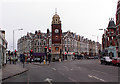
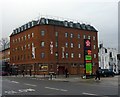
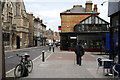
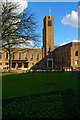
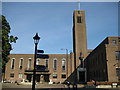
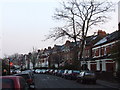
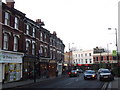
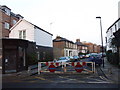
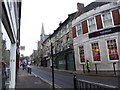
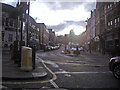
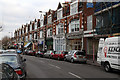
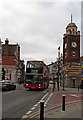
Area Information
Living in N8 7DQ means inhabiting a compact, densely populated residential cluster in north London. The area covers just 1,236 square metres, yet it accommodates 1,571 residents, translating to a population density of over 1.2 million people per square kilometre. This high density reflects the area’s focus on flats, which dominate the housing stock. Daily life here is shaped by proximity to transport networks and retail hubs, with residents within easy reach of major rail, metro, and bus routes. The area’s compact size makes it ideal for those prioritising convenience over space, though the high density may feel limiting for larger households. N8 7DQ sits in a transitional zone between urban and suburban London, offering a blend of residential living and access to city amenities. Its location near Hornsey and Crouch Hill stations connects residents to broader parts of north London, while nearby schools and retail outlets cater to everyday needs. The area’s character is defined by its mix of older housing stock and modern infrastructure, with a population skewed toward adults aged 30–64, suggesting a community of established professionals and families.
- Area Type
- Postcode
- Area Size
- 1236 m²
- Population
- 1571
- Population Density
- 11476 people/km²
The property market in N8 7DQ is characterised by a high proportion of flats, with no data suggesting the presence of larger homes or detached properties. At 53% home ownership, the area balances owner-occupied and rental properties, though the exact split between these is not specified. This suggests a mix of long-term residents and those in rental accommodation, potentially influenced by the area’s compact size and limited space for larger housing types. For buyers, the focus on flats may mean limited availability of spacious or family-friendly homes, though the high population density indicates a steady demand for smaller properties. The area’s proximity to transport links and retail hubs could make it attractive to investors seeking rental income, particularly for those targeting professionals or commuters. However, the small size of the postcode area means the housing stock is likely uniform, with little variation in property types or architectural styles. Buyers should consider whether the flat-based market aligns with their needs for space and long-term value.
House Prices in N8 7DQ
Showing 9 properties
Energy Efficiency in N8 7DQ
Residents of N8 7DQ enjoy a range of amenities within walking or short transit distance. Retail options include major supermarkets such as Asda Crouch, Tesco Hornsey, and Sainsburys Hornsey, providing everyday shopping convenience. The area’s transport links also grant access to leisure activities, with ferry services like Camden Lock Waterbus and London Zoo Waterbus Stop offering scenic routes along the Thames. Nearby stations connect to parks and cultural sites, though specific green spaces are not listed in the data. The presence of multiple rail and metro stations ensures easy access to restaurants, cafes, and other services in surrounding areas. The compact nature of the postcode means amenities are concentrated, reducing the need for long commutes. However, the limited size of the area may mean residents seek additional facilities beyond N8 7DQ, particularly for specialist services or larger retail outlets. The mix of retail, transport, and leisure options creates a self-contained but interconnected lifestyle, ideal for those valuing convenience over expansive local offerings.
Amenities
Schools
Residents of N8 7DQ have access to two primary schools within practical reach: Rokesly Junior School and Rokesly Infant & Nursery School. Both institutions hold a ‘good’ Ofsted rating, indicating they meet or exceed national standards for teaching quality and student outcomes. The presence of both infant and junior schools suggests a comprehensive primary education system for young families, covering early years through to Year 6. This mix of school types ensures continuity for children moving through the education system without the need to transfer to another institution. The ‘good’ rating implies reliable resources, staff qualifications, and student performance metrics, which are critical factors for parents prioritising academic outcomes. While no secondary schools are listed in the data, the proximity to Hornsey and Crouch Hill stations may provide access to broader educational options in nearby areas. For families, the availability of well-rated primary schools is a key advantage of living in N8 7DQ.
| Rank | School | Type | Entry gender | Ages |
|---|
Explore more schools in this area
Go to Schools tabDemographics
The community in N8 7DQ is predominantly composed of adults aged 30–64, with a median age of 47. This indicates a mature population, likely settled in long-term housing or careers. Home ownership sits at 53%, meaning nearly half of residents own their homes, while the remaining 47% are likely renters. The area’s accommodation is almost entirely flats, reflecting its high density and limited space for larger properties. The predominant ethnic group is White, though no specific data on diversity or deprivation is provided. The age profile suggests a stable, working-age population, which may influence local services and amenities. With no mention of deprivation levels, it is unclear how economic factors might affect quality of life, but the high population density and focus on flats imply a mix of long-term residents and those in transient housing situations. The area’s demographics align with a suburban-urban interface, where convenience and proximity to transport outweigh the need for larger homes.
Household Size
Accommodation Type
Tenure
Ethnic Group
Religion
Household Composition
Age
Household Deprivation
NS-SEC
Explore more demographic insights in this area
Go to Demographics tabPlanning
Planning Constraints
- Flood RiskPremium
- Ramsar Wetland SitesPremium
- Area of Outstanding Natural BeautyPremium
- Protected Nature ReservePremium
- Protected WoodlandPremium