Area Overview for N7 1DN
Photos of N7 1DN
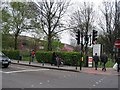
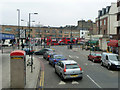
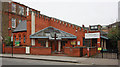
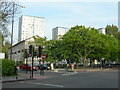
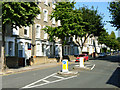
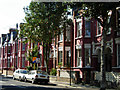
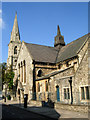
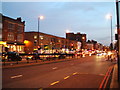
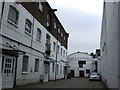
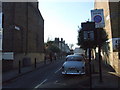
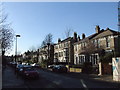
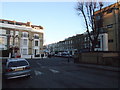
Area Information
Living in N7 1DN means inhabiting a small, tightly knit residential cluster in north London. With a population of just 1,705, the area is compact yet functional, catering to a community of adults aged 30–64, many of whom are likely to be working professionals or families. The postcode’s character is defined by its proximity to urban infrastructure, with easy access to rail, metro, and bus networks. Daily life here is shaped by a balance of convenience and quietude, with residents able to reach major retail hubs like Tesco Hornsey and Sainsburys Islington within short distances. While the area lacks expansive green spaces, its connectivity to transport links and proximity to schools make it appealing for those prioritising accessibility over open land. The demographic profile suggests a mature, stable community, with a focus on practical living rather than luxury. N7 1DN is not a place for grand estates or sprawling estates but a neighbourhood where efficiency and proximity to services are key. For those seeking a base near London’s transport arteries, it offers a straightforward, no-frills existence.
- Area Type
- Postcode
- Area Size
- Not available
- Population
- 1705
- Population Density
- 18492 people/km²
The property market in N7 1DN is characterised by low home ownership, with only 20% of residents owning their homes. This suggests a rental-dominated market, where flats are the primary accommodation type. The area’s small size means that housing stock is limited, with most properties being part of larger residential blocks. For buyers, this implies a niche market where available homes are likely to be flats in established buildings rather than standalone houses. The low home ownership rate may indicate a reliance on private rentals or social housing, which could affect long-term investment potential. The compact nature of N7 1DN means that property prices are unlikely to be influenced by large-scale development, keeping the market stable but constrained. Buyers should consider the limited availability of owner-occupied properties and the potential for higher rental yields in a market where demand for flats persists. The area is not suited for those seeking spacious, detached homes but may appeal to those prioritising proximity to transport and services over property size.
House Prices in N7 1DN
No properties found in this postcode.
Energy Efficiency in N7 1DN
Life in N7 1DN is shaped by its proximity to a range of amenities, from retail to transport. The area is within walking distance of major supermarkets like Tesco Hornsey, Co-op Holloway, and Sainsburys Islington, making daily shopping convenient. For travel, residents have access to five rail stations, including Crouch Hill and Finsbury Park, as well as metro stops such as Holloway Road and Tufnell Park. Ferry services like the Camden Lock Waterbus and Blackfriars Pier offer alternative routes, while bus networks connect to London’s broader transport system. The presence of multiple retail and transport hubs suggests a practical, service-oriented lifestyle, ideal for those prioritising accessibility over leisure. While the area lacks extensive parks or recreational spaces, its connectivity to central London means residents can easily access cultural and leisure opportunities elsewhere. The compact nature of N7 1DN means that convenience is prioritised, with amenities clustered closely to serve a small, efficient community.
Amenities
Schools
The nearest school to N7 1DN is Duncombe Primary School, a primary institution with an Ofsted rating of ‘good’. This provides a solid educational foundation for younger children in the area. The absence of secondary schools within the postcode means that students may need to travel to nearby districts for secondary education, though the proximity to major transport links could ease this transition. For families, the presence of a well-rated primary school is a significant advantage, offering a reliable start to a child’s education. However, the lack of local secondary schools may necessitate planning for longer commutes or reliance on nearby districts. The school’s rating suggests that it meets acceptable standards, though it does not provide the same level of prestige as some London schools. Overall, the educational landscape in N7 1DN is functional but limited in scope, requiring families to look beyond the immediate area for comprehensive schooling.
| Rank | School | Type | Entry gender | Ages |
|---|
Explore more schools in this area
Go to Schools tabDemographics
The community in N7 1DN is predominantly composed of adults aged 30–64, with a median age of 47. This suggests a population that is largely in their prime working years, with fewer young families or retirees. Home ownership is low, with only 20% of residents owning their properties, indicating that most housing is rented. The accommodation type is primarily flats, reflecting a density typical of urban areas. The predominant ethnic group is White, though specific data on diversity or deprivation is not provided. The age profile implies a workforce-oriented community, likely with a mix of professionals and service workers. The lack of high home ownership may point to a rental market dominated by private landlords or housing associations. For buyers, this means a limited pool of owner-occupied properties, with most available homes being flats in multi-unit buildings. The area’s demographic stability may offer a sense of continuity, but its small size means it is not a place for large-scale family growth or intergenerational living.
Household Size
Accommodation Type
Tenure
Ethnic Group
Religion
Household Composition
Age
Household Deprivation
NS-SEC
Explore more demographic insights in this area
Go to Demographics tabPlanning
Planning Constraints
- Flood RiskPremium
- Ramsar Wetland SitesPremium
- Area of Outstanding Natural BeautyPremium
- Protected Nature ReservePremium
- Protected WoodlandPremium