Area Overview for Merton
Photos of Merton
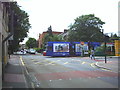
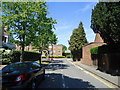










Area Information
Living in Merton means residing in a historic London borough situated in southwest England, south of Wandsworth. This area is part of the historic county of Surrey and encompasses well-known districts including Wimbledon, Mitcham, Morden, Raynes Park, and Colliers Wood. The London Borough of Merton covers approximately 29.9 square kilometres and currently houses a population of 119,397 residents. Although the 2011 census reported a different figure, the area has established itself as a significant residential community since its formation in 1965. The name itself originates from "Mertone," a term meaning "farmstead by the pool," first recorded in 967 CE. Daily life here revolves around a blend of suburban tranquility and accessible town centres. The borough developed significantly in the 1930s following the expansion of Underground and suburban rail networks. You will find yourself living in an area where Roman road remains, specifically Stane Street, still shape the landscape in parts of Morden. Key landmarks such as the All England Lawn Tennis Club offer a unique cultural backdrop. The area feels distinctly English, rooted in history from the 16th-century fabric operations of French Huguenots to the 13th-century Statutes of Merton that influenced common law. Residents enjoy access to historic sites like Merton Priory, founded in 1114, and Wimbledon's Old Rectory, dating to the early 16th century. --- The community in Merton reflects a mature population profile with a median age of 70 years. This high median age indicates that the area is dominated by older adults, likely attracting retirees or families with grown children who seek a quieter life away from central London. While specific data regarding the most common age range is not explicitly detailed beyond the total category, the overall demographic trend points toward an older settlement. Current statistics show that 57% of residents own their homes outright, suggesting a strong culture of property ownership rather than long-term renting. Household composition and accommodation type data for Merton is recorded under general totals, implying a diverse mix of living arrangements typical of a borough of this size. There is no precipitous evidence of extreme deprivation or high-density social housing dominance based on the available ownership figures. Instead, the predominance of home ownership suggests financial stability within the community. The population density stands at 3,999 people per square kilometre. This figure positions Merton as moderately dense, avoiding the extreme congestion of central London while maintaining enough urban infrastructure to support local amenities. Living here, you are part of a community where the average lifespan and household wealth metrics likely correlate with the high rate of home ownership. --- The property market in Merton is characterised by a significant leaning toward owner-occupied housing. With 57% of homes owned by their residents, the borough functions more as an established community for settled families than a transient rental hub. This high rate of ownership creates a stable environment where property values are often driven by long-term appreciation rather than short-term market fluctuations. While the specific breakdown of accommodation types is categorised generally in the data, the ownership percentage serves as a strong indicator that flats and houses alike are primarily occupied by owners. For buyers considering homes in Merton, this market dynamic suggests you should expect to compete in a purchase market rather than a letting market. The housing stock likely includes a mix of period properties and modern homes developed during the 1930s expansion and subsequent interwar growth. The borough's status as an outer borough of London means you can find residential areas without the intense development pressure seen in inner London. The fact that the majority of households own their accommodation implies that the area appeals to those looking to build equity and establish roots. When viewing properties, you are entering a neighbourhood where residents have chosen to stay for the long term. This stability often translates to well-maintained streets and a distinct sense of local character throughout towns like Wimbledon and Mitcham. --- Digital connectivity in Merton provides residents with robust support for remote working and daily online activities. The fixed broadband quality score is rated at 96 out of 100, where 100 represents the highest possible quality. This outstanding rating means you can expect reliable high-speed internet suitable for heavy streaming, large file transfers, and video conferencing. In terms of mobile coverage, the network quality score stands at 85 out of 100. This corresponds to a very good signal strength, ensuring you stay connected while walking around neighbourhoods or commuting. For those working from home, these connectivity metrics place Merton in a strong position compared to older urban areas. The reliable broadband score of 96 eliminates the risk of downtime during critical work tasks. The mobile score of 85 ensures that emergency calls or quick communications will rarely fail. You will find that living in Merton does not require relying on landlines or struggling with weak signals in your garden or home office. This level of digital infrastructure supports the suburban lifestyle, allowing you to manage professional responsibilities without compromise. The combination of excellent fixed-line access and strong mobile coverage makes the area practical for modern demands. Residents do not need to worry about connectivity issues affecting their quality of life or business efficiency. --- Safety in Merton presents a reassuring picture for prospective residents. The area demonstrates a well-considered crime landscape with a low crime risk classification. The specific crime risk assessment places the area at a score of 70 out of 100, where a lower score indicates less risk. This places Merton below the average for comparable regions, suggesting a secure environment for families and individuals. The "PASS" level designation confirms that the neighbourhood meets high standards for local safety. You can expect a living environment where the likelihood of crime is reduced compared to many other parts of London. While the primary assessment provides strong reassurance regarding crime, a comprehensive view of safety includes broader environmental considerations. The available data focuses heavily on the crime risk metric, confirming the area is generally secure. This low crime risk score of 70 is a significant factor for anyone evaluating homes in the borough. The safety profile supports the idea of a quiet residential life, consistent with the area's historical development as a suburb. When considering living in Merton, you can prioritize the known low crime statistics as a positive attribute. The area's safety record contributes to a stable atmosphere where residents can feel comfortable in their homes and immediate surroundings. --- What is the demographic profile of people living in Merton? The median age in Merton is 70 years, indicating a community dominated by older adults. Home ownership is prevalent, with 57% of residents owning their properties. The population density is 3,999 people per square kilometre, covering an area of 29.9 square kilometres. This demographic mix suggests a stable, established neighbourhood suited for those seeking retirement or larger homes in a less central location. How is the transport and digital connectivity in Merton? Digital connectivity is excellent, with a fixed broadband quality score of 96 out of 100 and a mobile coverage score of 85 out of 100. These high metrics ensure reliable internet for working from home and strong mobile signals throughout the borough. While the area has more car dependency, key rail links including Wimbledon station and the Northern Line at Morden provide access to central London. Is Merton considered a safe area to live? Merton has a low crime risk level, assessed as a PASS. The crime risk score is 70 out of 100, where a lower score signifies less risk. This places the borough below the average for safety, offering a secure environment for families. The area includes historic sites and town centres that remain safe for daily commuting and leisure activities.
- Area Type
- District/Borough
- Area Size
- 29.9 km²
- Population
- 119397
- Population Density
- 3999 people/km²
Demographics
The community in Merton reflects a mature population profile with a median age of 70 years. This high median age indicates that the area is dominated by older adults, likely attracting retirees or families with grown children who seek a quieter life away from central London. While specific data regarding the most common age range is not explicitly detailed beyond the total category, the overall demographic trend points toward an older settlement. Current statistics show that 57% of residents own their homes outright, suggesting a strong culture of property ownership rather than long-term renting. Household composition and accommodation type data for Merton is recorded under general totals, implying a diverse mix of living arrangements typical of a borough of this size. There is no precipitous evidence of extreme deprivation or high-density social housing dominance based on the available ownership figures. Instead, the predominance of home ownership suggests financial stability within the community. The population density stands at 3,999 people per square kilometre. This figure positions Merton as moderately dense, avoiding the extreme congestion of central London while maintaining enough urban infrastructure to support local amenities. Living here, you are part of a community where the average lifespan and household wealth metrics likely correlate with the high rate of home ownership. --- The property market in Merton is characterised by a significant leaning toward owner-occupied housing. With 57% of homes owned by their residents, the borough functions more as an established community for settled families than a transient rental hub. This high rate of ownership creates a stable environment where property values are often driven by long-term appreciation rather than short-term market fluctuations. While the specific breakdown of accommodation types is categorised generally in the data, the ownership percentage serves as a strong indicator that flats and houses alike are primarily occupied by owners. For buyers considering homes in Merton, this market dynamic suggests you should expect to compete in a purchase market rather than a letting market. The housing stock likely includes a mix of period properties and modern homes developed during the 1930s expansion and subsequent interwar growth. The borough's status as an outer borough of London means you can find residential areas without the intense development pressure seen in inner London. The fact that the majority of households own their accommodation implies that the area appeals to those looking to build equity and establish roots. When viewing properties, you are entering a neighbourhood where residents have chosen to stay for the long term. This stability often translates to well-maintained streets and a distinct sense of local character throughout towns like Wimbledon and Mitcham. --- Digital connectivity in Merton provides residents with robust support for remote working and daily online activities. The fixed broadband quality score is rated at 96 out of 100, where 100 represents the highest possible quality. This outstanding rating means you can expect reliable high-speed internet suitable for heavy streaming, large file transfers, and video conferencing. In terms of mobile coverage, the network quality score stands at 85 out of 100. This corresponds to a very good signal strength, ensuring you stay connected while walking around neighbourhoods or commuting. For those working from home, these connectivity metrics place Merton in a strong position compared to older urban areas. The reliable broadband score of 96 eliminates the risk of downtime during critical work tasks. The mobile score of 85 ensures that emergency calls or quick communications will rarely fail. You will find that living in Merton does not require relying on landlines or struggling with weak signals in your garden or home office. This level of digital infrastructure supports the suburban lifestyle, allowing you to manage professional responsibilities without compromise. The combination of excellent fixed-line access and strong mobile coverage makes the area practical for modern demands. Residents do not need to worry about connectivity issues affecting their quality of life or business efficiency. --- Safety in Merton presents a reassuring picture for prospective residents. The area demonstrates a well-considered crime landscape with a low crime risk classification. The specific crime risk assessment places the area at a score of 70 out of 100, where a lower score indicates less risk. This places Merton below the average for comparable regions, suggesting a secure environment for families and individuals. The "PASS" level designation confirms that the neighbourhood meets high standards for local safety. You can expect a living environment where the likelihood of crime is reduced compared to many other parts of London. While the primary assessment provides strong reassurance regarding crime, a comprehensive view of safety includes broader environmental considerations. The available data focuses heavily on the crime risk metric, confirming the area is generally secure. This low crime risk score of 70 is a significant factor for anyone evaluating homes in the borough. The safety profile supports the idea of a quiet residential life, consistent with the area's historical development as a suburb. When considering living in Merton, you can prioritize the known low crime statistics as a positive attribute. The area's safety record contributes to a stable atmosphere where residents can feel comfortable in their homes and immediate surroundings. --- What is the demographic profile of people living in Merton? The median age in Merton is 70 years, indicating a community dominated by older adults. Home ownership is prevalent, with 57% of residents owning their properties. The population density is 3,999 people per square kilometre, covering an area of 29.9 square kilometres. This demographic mix suggests a stable, established neighbourhood suited for those seeking retirement or larger homes in a less central location. How is the transport and digital connectivity in Merton? Digital connectivity is excellent, with a fixed broadband quality score of 96 out of 100 and a mobile coverage score of 85 out of 100. These high metrics ensure reliable internet for working from home and strong mobile signals throughout the borough. While the area has more car dependency, key rail links including Wimbledon station and the Northern Line at Morden provide access to central London. Is Merton considered a safe area to live? Merton has a low crime risk level, assessed as a PASS. The crime risk score is 70 out of 100, where a lower score signifies less risk. This places the borough below the average for safety, offering a secure environment for families. The area includes historic sites and town centres that remain safe for daily commuting and leisure activities.
Household Size
Accommodation Type
Tenure
Ethnic Group
Religion
Household Composition
Age
Household Deprivation
NS-SEC
Explore more demographic insights in this area
Go to Demographics tabPlanning
Planning Constraints
- Crime RiskPremium