Area Overview for Haringey
Photos of Haringey
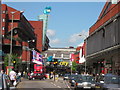
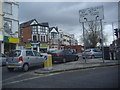
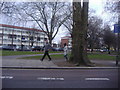
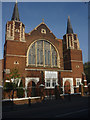
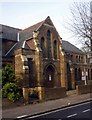
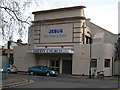
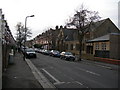
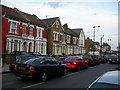
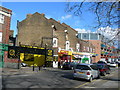
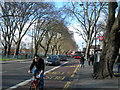
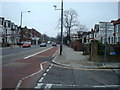
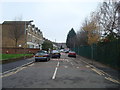
Area Information
Living in Haringey means calling home a distinct built-up area covering 27.0 km² within the greater London landscape. This locality holds a population of 179,624 residents, creating an environment defined by high density rather than sprawling open space. With over 6,659 people per square kilometre, daily life here involves close proximity to neighbours and a compact urban setting. You navigate a community where residential spaces are packed efficiently to accommodate a large number of inhabitants within a relatively small geographical footprint. The area functions as a significant residential hub, blending residential density with accessible transport links and local retail outlets. Because the land area is limited, infrastructure and facilities are concentrated, allowing residents to access necessities without travelling far. You should expect a neighbourhood character shaped by this intensity of population. The streets are likely active, reflecting a community where people share resources and public spaces. If you are considering homes in Haringey, you are entering a market defined by this specific density and the resulting urban rhythm. The 27-square-kilometre zone contains everything you need, from daily shops to major transit points, all within practical reach of your doorstep. This compact nature defines the experience of moving here, offering convenience at the cost of personal space.
- Area Type
- Built Up Area 250
- Area Size
- 27.0 km²
- Population
- 179624
- Population Density
- 6659 people/km²
Your daily life in Haringey is supported by a network of amenities within practical reach of your address. For shopping needs, five retail venues operate nearby, including Tesco Turnpike, Farmfoods Wood, and Sainsburys Wood. These stores provide essential goods and groceries without requiring a long journey into the city centre. Transport options are extensive, with five metro stops listed for residents of Haringey, including Turnpike Lane Station, Wood Green Station, and Bounds Green. You can navigate London easily using these central links. Furthermore, five railway stations such as Hornsey, Alexandra Palace Station, and Harringay Station offer faster regional connections. Leisure travel is supported by ferry services, with five options available including the Camden Lock Waterbus and London Zoo Waterbus Stop. While a single bus interchange at Whipps Cross serves the broader network, the density of metro and rail stops makes car ownership less critical. This variety of transport modes means you can choose how you travel based on your destination and time of day. The presence of multiple famous high street names like Farmfoods Wood alongside major supermarkets gives you daily convenience. You can reach key transport hubs from your doorstep with minimal waiting time. The combination of retail and transit creates a lifestyle where practicality drives your daily movements.
Amenities
Schools
Families considering schools near Haringey have several options within the network of educational establishments listed for the area. You will find the Greek Secondary School of London operating as an independent institution, though its Ofsted rating is currently inadequate. This rating indicates significant areas for improvement in educational standards. For younger children, there is a selection of nurseries including Pembury House Nursery School, Rowland Hill Nursery School, and Woodlands Park Nursery School and Childrens Centre. Additionally, Stroud Green Pre-School Centre provides early years education for young learners entering the system. The proximity of these specific venues means you have access to both independent education and maintained nursery facilities. The presence of the Greek Secondary School suggests an educational choice for families seeking independent schooling, despite the current rating challenges. Local parents in Haringey must consider the availability of nursery places alongside the quality of secondary education options. The mix of nurseries indicates a support network for early childhood development, yet the single listed secondary school presents a specific choice for older children. Prospective parents should review the independent status and ofsted rating of the Greek Secondary School of London carefully. Living in Haringey requires you to weigh these specific educational offerings against your requirements for your children's schooling.
| Rank | School | Type | Entry gender | Ages |
|---|
Explore more schools in this area
Go to Schools tabDemographics
The community profile of Haringey reveals specific nuances about the people who live here. Data indicates a median age of 70 years, suggesting a significant portion of the population comprises older adults. While the total age distribution covers all ranges, this high median age shapes local services and social dynamics. Current figures show that 38% of homes in Haringey are owner-occupied, meaning the majority of residents are tenants renting from landlords or housing associations. This high rental proportion influences the stability and nature of neighbourhood relationships compared to areas with higher ownership rates. Household composition and accommodation type data are recorded at the total level, indicating a mixed living arrangement across the 179,624 population. You will find a diverse range of living situations within these 27.0 km². The demographic landscape does not isolate residents by ethnicity or religion in the provided records, suggesting a varied population mix. Given the median age and rental prevalence, the area likely relies heavily on support services for the elderly and maintains a transient quality in some of its housing blocks. Living in Haringey involves navigating a society with a distinctly older demographic core. The 38% ownership rate confirms that renting is the dominant mode of residence, affecting how you might engage with the local community and its long-term prospects.
Household Size
Accommodation Type
Tenure
Ethnic Group
Religion
Household Composition
Age
Household Deprivation
NS-SEC
Explore more demographic insights in this area
Go to Demographics tabPlanning
Planning Constraints
- Crime RiskPremium