Area Overview for Goodmayes Ward
Photos of Goodmayes Ward
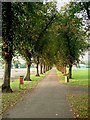
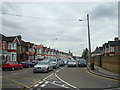
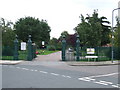
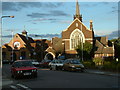
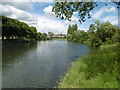
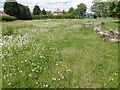
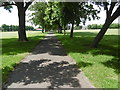
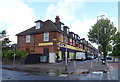
Area Information
Goodmayes Ward sits within the London Borough of Redbridge, covering a compact residential district of 1.8 square kilometres. This suburban area serves as part of the wider Ilford region, incorporating a population of 3,887 residents who live in a neighbourhood that developed primarily during the early 20th century. The area retains historical links to Essex, having been incorporated into Greater London in 1965 while maintaining its established character. You can find solid evidence of its development history at Goodmayes railway station, which opened in 1901 on the Great Eastern Main Line to serve the local community. The ward also contains significant historical infrastructure, most notably Goodmayes Hospital, a mental health facility that has operated continuously since 1901 on the former Blue House Farm site. Daily life here revolves around this dense, planned settlement where the ground coverage supports a resident population of approximately 2,144 people per square kilometre. This specific layout means the area offers a defined suburban experience rather than a sprawling rural feel.
- Area Type
- District Borough Unitary Ward
- Area Size
- 1.8 km²
- Population
- 3887
- Population Density
- 2144 people/km²
Demographics
The demographic profile of Goodmayes Ward reveals a community focused on older generations rather than young families or single professionals. Data indicates that the median age for residents is 70 years old, making this one of the oldest populations in Greater London. While the data lists the most common age range broadly as "Age: Total", the specific figure of 70 clearly points to a retirement-centric demographic. Regarding home ownership, exactly 50% of the 3,887 residents own their homes, meaning the other half rent their accommodation. This split suggests a balanced market where neither buyers nor tenants dominate the housing scene entirely. The household composition and predominant ethnic group figures in the dataset are listed as "Total", indicating broad diversity without a single overwhelming majority group. Religion data is similarly recorded as "Total". This statistical spread implies that the ward supports a wide variety of lifestyles alongside its residential focus for the elderly. You are looking at an area where roughly half the population has secured permanent ownership while the other half relies on rental arrangements.
Household Size
Accommodation Type
Tenure
Ethnic Group
Religion
Household Composition
Age
Household Deprivation
NS-SEC
Explore more demographic insights in this area
Go to Demographics tabPlanning
Planning Constraints
- Flood RiskPremium
- Ramsar Wetland SitesPremium
- Area of Outstanding Natural BeautyPremium
- Protected Nature ReservePremium
- Protected WoodlandPremium
- Crime RiskPremium