Area Overview for EN1 1UQ
Photos of EN1 1UQ
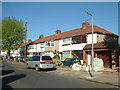
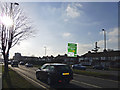
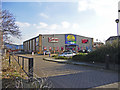
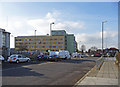
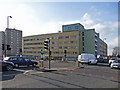
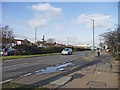
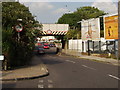
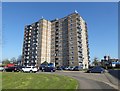
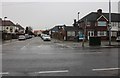
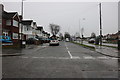
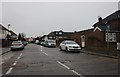
Area Information
Living in EN1 1UQ means being part of a small, tightly knit residential cluster in England, home to 1,923 people. This area is defined by its compact size and proximity to essential services, making it practical for daily life. The population is predominantly middle-aged, with a median age of 47, and most residents fall within the 30-64 age range. This suggests a community rooted in stability, with many households likely to be long-term residents. While the area lacks natural constraints like protected woodlands or wetlands, it is served by multiple transport links, including rail and metro stations, which connect it to broader London. However, the crime risk is a notable concern, with a safety score of 12 out of 100, indicating above-average crime rates. Despite this, the area benefits from excellent broadband connectivity, rated 97 out of 100, which supports remote work and digital lifestyles. For those seeking a quiet, low-flood-risk location with practical access to amenities, EN1 1UQ offers a mix of convenience and challenges.
- Area Type
- Postcode
- Area Size
- Not available
- Population
- 1923
- Population Density
- 4949 people/km²
EN1 1UQ is a predominantly owner-occupied area, with 65% of residents living in homes they own. The housing stock is largely composed of houses, which is unusual for a small postcode area but may reflect a mix of semi-detached or detached properties. This suggests a market where property is more likely to be held by long-term residents rather than investors or renters. The focus on owner-occupation could indicate lower rental availability, which may be a consideration for buyers seeking flexibility. Given the area’s compact size, the housing stock is likely limited, meaning buyers may need to look beyond EN1 1UQ for additional options. The presence of houses also implies a preference for private, low-density living, which may appeal to those prioritising space over urban convenience. However, the small population size means the market is niche, requiring careful evaluation of local demand and future growth potential.
House Prices in EN1 1UQ
No properties found in this postcode.
Energy Efficiency in EN1 1UQ
Residents of EN1 1UQ have access to a range of retail and transport hubs within practical reach. Supermarkets such as Morrisons Southbury, Co-op Bush, and Sainsburys Enfield provide everyday shopping convenience, while rail stations like Southbury, Bush Hill Park, and Enfield Town offer direct links to London’s transport network. Metro stations including Southgate and Arnos Grove add flexibility for commuters, and the Whipps Cross Bus Interchange serves as a key node for local routes. Though the area lacks major leisure or cultural landmarks, its proximity to transport links means residents can easily access larger hubs for dining, entertainment, or retail. The mix of retail and transport options supports a functional daily life, with minimal need to travel far for essentials. However, the absence of detailed data on parks or recreational spaces means the area’s appeal for outdoor activities remains unclear.
Amenities
Schools
| Rank | School | Type | Entry gender | Ages |
|---|
Explore more schools in this area
Go to Schools tabDemographics
EN1 1UQ’s population of 1,923 is predominantly composed of adults aged 30-64, reflecting a mature, settled community. The median age of 47 suggests a demographic skewed towards middle-aged individuals, which may indicate a focus on family-oriented living or long-term residency. Home ownership is strong, with 65% of residents owning their homes, a figure that points to a stable housing market. The accommodation type is primarily houses, which aligns with the area’s character as a residential cluster rather than a high-density urban space. The predominant ethnic group is White, though no specific data on diversity or deprivation levels is provided. This demographic profile implies a community with established roots, where property values may be influenced by long-term occupancy patterns. The absence of detailed diversity metrics means broader social dynamics remain unexplored, but the data highlights a focus on stability and ownership over rental flexibility.
Household Size
Accommodation Type
Tenure
Ethnic Group
Religion
Household Composition
Age
Household Deprivation
NS-SEC
Explore more demographic insights in this area
Go to Demographics tabPlanning
Planning Constraints
- Flood RiskPremium
- Ramsar Wetland SitesPremium
- Area of Outstanding Natural BeautyPremium
- Protected Nature ReservePremium
- Protected WoodlandPremium