Area Overview for EN1 1AS
Photos of EN1 1AS
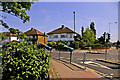
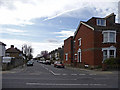
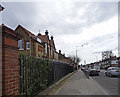
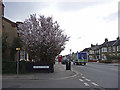
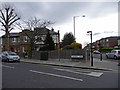
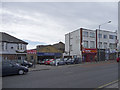

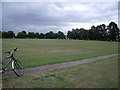
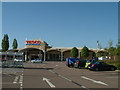
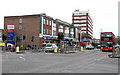
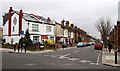

Area Information
EN1 1AS is a small, tightly knit residential postcode in north London, home to 2,277 people. It is a compact area where daily life revolves around local amenities and community ties. The area’s character is defined by its mix of practical living and accessibility, with a focus on flats as the primary housing type. Residents benefit from proximity to multiple transport hubs, including Enfield Town Station and Cockfosters Station, which link to central London and beyond. The area’s low flood risk and absence of environmental constraints make it a stable place to live, though its modest size means it is more of a commuter suburb than a standalone town. With a median age of 47 and a population skewed toward adults aged 30–64, the community is established, with many residents likely to be long-term locals or professionals working in nearby districts. Living here offers a balance of suburban quiet and urban connectivity, though the limited housing stock means it is a niche market for buyers seeking a specific type of property.
- Area Type
- Postcode
- Area Size
- Not available
- Population
- 2277
- Population Density
- 11947 people/km²
EN1 1AS is a small area with a housing stock dominated by flats, reflecting its suburban character and limited land availability. With 54% of properties owner-occupied, it is not a high-rental market, but the proportion of renters suggests some flexibility for buyers seeking to purchase in a niche niche. The compact nature of the postcode means property choices are limited, and buyers should consider the surrounding areas for more options. Flats in this area are likely to be older, with layouts suited to single occupants or couples rather than larger families. The low flood risk and lack of environmental constraints make it an attractive option for those prioritising safety and planning certainty. However, the small population and limited housing stock mean competition for properties could be fierce, particularly for those seeking specific amenities or proximity to transport. Buyers should also note that the area’s character is defined by its practicality, with little scope for major redevelopment or expansion.
House Prices in EN1 1AS
No properties found in this postcode.
Energy Efficiency in EN1 1AS
Living in EN1 1AS provides access to a range of local amenities within walking or short driving distance. Retail options include major chains such as Tesco Enfield, Lidl Enfield, and M&S Enfield, ensuring everyday shopping needs are met. The area’s transport links also grant easy access to larger retail centres and dining options in nearby towns. While specific parks or leisure facilities are not detailed in the data, the proximity to rail and metro stations suggests nearby green spaces or recreational areas are within reach. The presence of multiple transport hubs enhances convenience, allowing residents to explore broader entertainment options in Enfield or central London. The character of the area is defined by its practicality, with a focus on accessibility and connectivity over sprawling leisure facilities. For those prioritising convenience and proximity to essential services, EN1 1AS offers a straightforward, functional lifestyle with minimal need for long journeys.
Amenities
Schools
| Rank | School | Type | Entry gender | Ages |
|---|
Explore more schools in this area
Go to Schools tabDemographics
The population of EN1 1AS is 2,277, with a median age of 47. The majority of residents fall within the 30–64 age range, reflecting a mature, working-age community. Home ownership stands at 54%, meaning nearly half of properties are owner-occupied, while the remaining 46% are likely rented. The area is dominated by flats, a common feature in London’s suburban and semi-urban zones. The predominant ethnic group is White, though specific data on diversity is not provided. The age profile suggests a stable, low-turnover population, with fewer young families or retirees compared to other areas. This demographic structure implies a community focused on established careers and long-term living, with fewer pressures from school admissions or childcare. The absence of detailed deprivation data means it is unclear how economic factors influence quality of life, but the overall profile points to a balanced, middle-aged population with moderate housing demand.
Household Size
Accommodation Type
Tenure
Ethnic Group
Religion
Household Composition
Age
Household Deprivation
NS-SEC
Explore more demographic insights in this area
Go to Demographics tabPlanning
Planning Constraints
- Flood RiskPremium
- Ramsar Wetland SitesPremium
- Area of Outstanding Natural BeautyPremium
- Protected Nature ReservePremium
- Protected WoodlandPremium