Area Overview for E9 6JE
Photos of E9 6JE
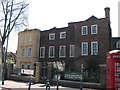

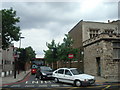
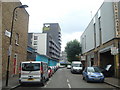
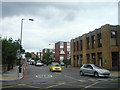


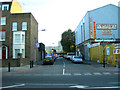

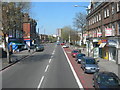

Area Information
Living in E9 6JE means inhabiting a compact residential cluster in east London, home to 1,985 residents. The area’s character is shaped by its proximity to transport hubs and retail centres, offering a blend of practicality and urban convenience. With a median age of 47 and a population skewed towards adults aged 30–64, the community leans towards stability and routine. Daily life here is punctuated by the rhythm of public transport, with five rail stations, three metro stops, and multiple bus routes within reach. The low flood risk and absence of environmental constraints like AONB or protected woodlands suggest a straightforward living environment. However, the area’s small size means amenities are tightly clustered, requiring residents to navigate a dense network of shops, services, and transit options. For those prioritising connectivity, E9 6JE delivers: excellent broadband and good mobile coverage support both professional and personal digital needs. Yet the area’s compact nature means every decision about where to live is a balance between proximity to services and the limited space available.
- Area Type
- Postcode
- Area Size
- Not available
- Population
- 1985
- Population Density
- 15556 people/km²
The property market in E9 6JE is characterised by a low home ownership rate of 21%, indicating that the majority of residents are renters rather than property owners. Flats are the predominant housing type, which is typical for smaller, densely populated urban areas. This suggests a market that prioritises convenience and accessibility over spacious living, with properties likely designed for single occupants or small households. The limited size of the area means the housing stock is constrained, and opportunities for buyers seeking owner-occupied properties are scarce. For those considering the area, the rental market may offer more immediate availability, but the low ownership rate could signal a lack of long-term investment potential. The compact nature of E9 6JE also means that property values and availability are closely tied to nearby zones, making it essential for buyers to consider the broader local context when assessing the area’s appeal.
House Prices in E9 6JE
No properties found in this postcode.
Energy Efficiency in E9 6JE
The lifestyle in E9 6JE is defined by its proximity to a range of amenities within walking or short transit distance. Retail options include Co-op Hackney, Spar, and Co-op Clapton, providing essential shopping for daily needs. The area’s transport links are extensive, with five rail stations, three metro stops, and ferry access to Canary Wharf and Tower Bridge Quay, facilitating easy movement across London. For those preferring public transport, bus routes connect to Whipps Cross Bus Interchange and London Victoria Coach Station, while the nearby London City Airport offers direct flight access. The density of services means residents can access work, leisure, and shopping without relying on a car. However, the small size of the area means amenities are tightly packed, requiring a deliberate balance between convenience and space. This compactness fosters a community where proximity to services is a double-edged sword—offering ease of access but limiting room for expansion.
Amenities
Schools
| Rank | School | Type | Entry gender | Ages |
|---|
Explore more schools in this area
Go to Schools tabDemographics
E9 6JE’s population of 1,985 is predominantly adults aged 30–64, reflecting a mature, settled community. The median age of 47 indicates a demographic focused on stability rather than family expansion. Home ownership here is exceptionally low at 21%, suggesting the area is largely a rental market. Flats dominate as the primary accommodation type, which aligns with the compact nature of the postcode. The predominant ethnic group is White, though no specific diversity metrics are provided. This ownership structure and age profile imply a population that may include professionals, retirees, or those in long-term rental arrangements. The low home ownership rate could also indicate limited opportunities for property investment or equity growth. For residents, this means a reliance on rental income or stable employment to sustain living costs. The absence of detailed diversity data means the community’s cultural composition remains less defined in the available information.
Household Size
Accommodation Type
Tenure
Ethnic Group
Religion
Household Composition
Age
Household Deprivation
NS-SEC
Explore more demographic insights in this area
Go to Demographics tabPlanning
Planning Constraints
- Flood RiskPremium
- Ramsar Wetland SitesPremium
- Area of Outstanding Natural BeautyPremium
- Protected Nature ReservePremium
- Protected WoodlandPremium