Area Overview for E1 7SE
Photos of E1 7SE

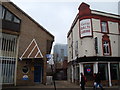
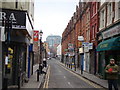
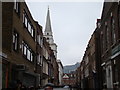
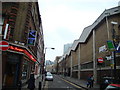
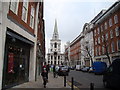
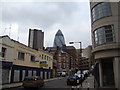
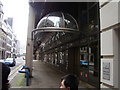
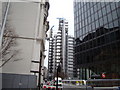

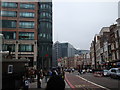
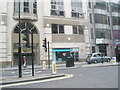
Area Information
E1 7SE is a small residential postcode area in London’s East End, home to around 2021 residents as of 2021. It is a compact cluster of properties, predominantly flats, reflecting a community shaped by urban living. The area’s demographics suggest a mix of younger and middle-aged residents, with a median age of 22 but the most common age range being 30–64. This hints at a population balancing young professionals with families. The area’s proximity to key transport hubs and amenities makes it a practical choice for those prioritising connectivity. Nearby schools, including primary academies and a special needs school, cater to local families, while retail and transport infrastructure ensure daily life remains convenient. Despite its small size, E1 7SE offers a blend of urban accessibility and residential simplicity, though its character is defined by its density and the prevalence of rental properties. For buyers, it is a niche market where proximity to London’s core outweighs the limitations of space.
- Area Type
- Postcode
- Area Size
- Not available
- Population
- Not available
- Population Density
- Not available
The property market in E1 7SE is characterised by a low home ownership rate of 17%, indicating that the majority of residents rent their homes. This suggests a rental market dominated by landlords, with limited opportunities for owner-occupation. The accommodation type is predominantly flats, which aligns with the area’s small size and urban setting. Buyers considering this postcode must navigate a limited inventory of properties, with most options being apartments rather than detached or semi-detached homes. The small residential cluster means that the immediate surroundings offer few alternatives, making the market competitive for those seeking ownership. For renters, the availability of flats may provide convenience, but buyers should assess the long-term viability of investing in a high-rental area with limited growth potential.
House Prices in E1 7SE
No properties found in this postcode.
Energy Efficiency in E1 7SE
Living in E1 7SE offers access to a range of amenities within walking or short transit distance. Retail options include major chains like Tesco Aldgate, Tesco Whitechapel, and Sainsburys London, ensuring everyday shopping needs are met. The area’s proximity to London City Airport and multiple rail stations, including Liverpool Street and Tower Hill, enhances its appeal for commuters and travellers. Leisure opportunities are bolstered by nearby ferry services, such as Tower Bridge Quay, which provide scenic routes along the Thames. The presence of Metro stops like Monument and Tower Gateway further simplifies navigating the city. While the area lacks green spaces explicitly mentioned in the data, its density and transport links create a lifestyle centred on convenience and connectivity, ideal for those prioritising urban accessibility over expansive parks or countryside.
Amenities
Schools
Residents of E1 7SE have access to several educational institutions, including Canon Barnett Primary School and Mulberry Canon Barnett Primary Academy, both of which serve primary-aged children. The Royal Mencap Society offers specialist education for students with additional needs, ensuring a range of options for families. The presence of both mainstream and special schools reflects the area’s diverse population and commitment to inclusive education. For parents, the proximity of these schools reduces commuting times, though the specific quality of education—such as Ofsted ratings—remains unaddressed in available data. The mix of school types suggests a community that values both general and tailored learning environments, though families may need to consider additional factors beyond location when choosing a school.
| Rank | School | Type | Entry gender | Ages |
|---|
Explore more schools in this area
Go to Schools tabDemographics
The population of E1 7SE skews toward adults aged 30–64, with a median age of 22, indicating a mix of younger residents and older households. Only 17% of residents own their homes, suggesting a strong rental market. The area is dominated by flats, reflecting its compact nature and likely influence of high-density housing. The predominant ethnic group is Asian_total, which shapes the cultural fabric of the community. While specific deprivation data is not provided, the low home ownership rate and focus on rental properties may impact long-term stability for some residents. The presence of a special needs school, Royal Mencap Society, alongside primary schools, suggests a community with diverse family needs. The age profile indicates a balance between working-age adults and those nearing retirement, which could influence local services and amenities.
Household Size
Accommodation Type
Tenure
Ethnic Group
Religion
Household Composition
Age
Household Deprivation
NS-SEC
Explore more demographic insights in this area
Go to Demographics tabPlanning
Planning Constraints
- Flood RiskPremium
- Ramsar Wetland SitesPremium
- Area of Outstanding Natural BeautyPremium
- Protected Nature ReservePremium
- Protected WoodlandPremium