Area Overview for Clapham Park Ward
Photos of Clapham Park Ward
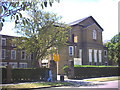
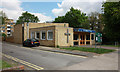
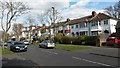
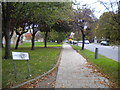
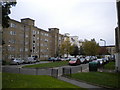
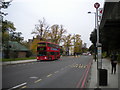
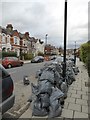
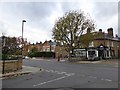
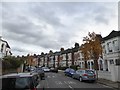
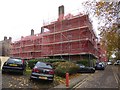
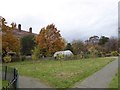
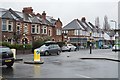
Area Information
Clapham Park Ward represents a distinct residential space within the borough, covering an area of 94.4 hectares. You will find this to be a mature environment where daily life moves at a considered pace rather than a frantic city rhythm. The character of Clapham Park Ward is defined by its long-standing residential nature, which has shaped the neighbourhood into a place favoured by those seeking stability. Living in Clapham Park Ward means navigating a landscape where the physical environment supports a quieter existence away from immediate urban congestion. The ward functions as a self-contained community where residents enjoy the benefits of a defined boundary and a shared local identity. Your experience here will centre on the practicalities of established housing and the specific constraints of the 94.4 hectares that make up the district. This is an area where you pay a premium for established infrastructure and a settled demographic profile. The spatial limits of Clapham Park Ward ensure that growth happens only within the existing framework, preserving the current feel of the neighbourhood for existing and future residents.
- Area Type
- District Borough Unitary Ward
- Area Size
- 94.4 hectares
- Population
- Not available
- Population Density
- Not available
Demographics
The community within Clapham Park Ward displays a clear demographic skew towards older residents. People living in this area have a median age of 70, which indicates a significant demographic of retirees or those in late middle age. This age profile means Clapham Park Ward is not primarily a hub for young families or single professionals seeking a bustling local scene. The most common age category is listed simply as Age Total, suggesting broad representation across the older spectrum. Only 32% of households own their homes directly, a figure that starkly indicates a market dominated by rental arrangements. With property ownership standing at just over one-third, the vast majority of residents are renting their properties of one form or another. The household composition data is recorded under the general Total category, reflecting a mix of occupants rather than a specific family unit. There is no specific breakdown of predominant ethnic groups or religious affiliations provided, meaning you cannot assume a particular cultural majority. Deprivation levels are not explicitly quantified in the available records, so you must assess the quality of life against the known age and tenure figures. Understanding who lives in Clapham Park Ward requires looking at these tenure and age statistics rather than broader sociological markers.
Household Size
Accommodation Type
Tenure
Ethnic Group
Religion
Household Composition
Age
Household Deprivation
NS-SEC
Explore more demographic insights in this area
Go to Demographics tabPlanning
Planning Constraints
- Flood RiskPremium
- Ramsar Wetland SitesPremium
- Area of Outstanding Natural BeautyPremium
- Protected Nature ReservePremium
- Protected WoodlandPremium
- Crime RiskPremium