Area Overview for BR1 1ZR
Photos of BR1 1ZR
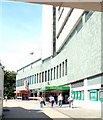
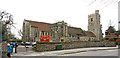
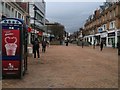
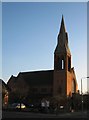
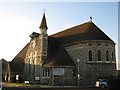
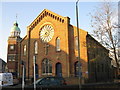
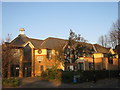
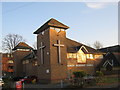
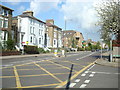
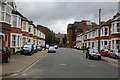
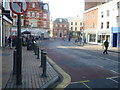
Area Information
BR1 1ZR is a small residential postcode in the London Borough of Bromley, home to approximately 2,033 people. Nestled in a historically significant area, this cluster of homes sits within a town that evolved from a rural Kent village into a suburban hub during London’s 20th-century expansion. Bromley’s origins trace back over a millennium, with its market charter granted in 1205, and its railway station opening in 1858, which transformed it into a commuter town. Today, BR1 1ZR reflects a mature community, with residents predominantly aged 30–64, and a median age of 47. The area’s compact size means daily life is shaped by proximity to Bromley’s amenities, including its historic market, civic buildings, and transport links. While the postcode covers a limited area, it benefits from being near Bromley North and South stations, as well as multiple tram stops, offering easy access to London and surrounding districts. Living here means balancing a quiet residential feel with the convenience of suburban infrastructure, making it appealing to those seeking a settled lifestyle near key services.
- Area Type
- Postcode
- Area Size
- Not available
- Population
- 2033
- Population Density
- 6120 people/km²
The property market in BR1 1ZR is characterised by a 31% home ownership rate, which highlights a rental-dominated landscape. With flats as the predominant accommodation type, the area likely features older, purpose-built housing stock, possibly from post-war developments. This suggests limited availability of detached or semi-detached homes, which may make the area more attractive to buyers seeking flats in a compact, well-connected postcode. The low home ownership rate could indicate a transient population or a focus on rental properties, which might influence property prices and investment opportunities. For buyers, the small size of the area means competition for available properties, particularly flats, could be keen. The proximity to Bromley’s transport hubs, including rail and tram networks, adds value, making BR1 1ZR a practical choice for those prioritising convenience over expansive living spaces. However, the limited housing diversity may restrict options for those seeking larger properties or specific architectural styles.
House Prices in BR1 1ZR
No properties found in this postcode.
Energy Efficiency in BR1 1ZR
Living in BR1 1ZR offers access to a range of amenities within practical reach. Retail options include major chains such as Lidl Bromley, M&S Bromley, and Sainsburys Bromley, providing convenience for everyday shopping. The area’s transport links—rail, metro, and ferry—enhance its accessibility, allowing residents to explore Bromley’s town centre or travel further afield. While the data does not specify parks or leisure facilities directly, the proximity to Bromley’s historic market and civic buildings suggests a mix of urban and suburban character. The presence of multiple rail and tram stops indicates a focus on connectivity, supporting both daily commutes and weekend excursions. For residents, this means a balance of convenience and suburban tranquillity, with the ability to access retail, transport, and nearby attractions without long journeys. The area’s compact size ensures that amenities are closely clustered, making it practical for those who value efficiency in their daily routines.
Amenities
Schools
The only school explicitly listed near BR1 1ZR is Bromley Mencap, a special school catering to students with specific educational needs. No other schools are mentioned in the data, so families seeking mainstream primary or secondary education may need to look beyond the immediate area. Bromley itself has a broader network of schools, but within BR1 1ZR, the focus is on specialist provision. This suggests the area may be more suited to families with children requiring tailored support, rather than those seeking a comprehensive range of local schools. The absence of data on other schools means potential buyers should investigate further to understand the full educational landscape, including nearby state and private institutions. For those prioritising a variety of school options, the proximity to Bromley’s main schools—though not explicitly named here—could be a factor in assessing the area’s suitability.
| Rank | School | Type | Entry gender | Ages |
|---|
Explore more schools in this area
Go to Schools tabDemographics
The population of BR1 1ZR is 2,033, with a median age of 47, indicating a mature community. The most common age group is adults aged 30–64, suggesting a stable, established demographic. Home ownership rates here are 31%, which is relatively low, pointing to a rental market that dominates the area. The primary accommodation type is flats, reflecting a housing stock likely developed in the mid-20th century or later. The predominant ethnic group is White, aligning with Bromley’s historical composition as a suburban town with roots in Kent. This demographic profile implies a community focused on long-term residency, with limited turnover. The lower home ownership percentage may indicate a reliance on rental properties, which could affect property values and investment potential. For buyers, this suggests a niche market where flats are the norm, and the area may appeal more to renters or those seeking a secondary residence rather than a primary family home.
Household Size
Accommodation Type
Tenure
Ethnic Group
Religion
Household Composition
Age
Household Deprivation
NS-SEC
Explore more demographic insights in this area
Go to Demographics tabPlanning
Planning Constraints
- Flood RiskPremium
- Ramsar Wetland SitesPremium
- Area of Outstanding Natural BeautyPremium
- Protected Nature ReservePremium
- Protected WoodlandPremium