Area Overview for BR1 1QD
Photos of BR1 1QD
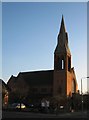
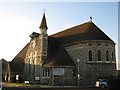
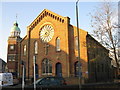
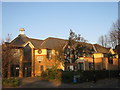
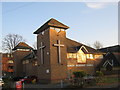
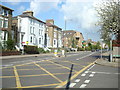
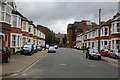
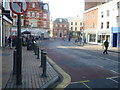
Area Information
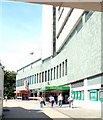
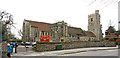
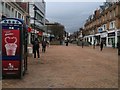
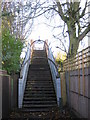
BR1 1QD is a small residential postcode area in the London Borough of Bromley, nestled in the heart of Greater London. With a population of 1,902, it reflects the suburban character of Bromley, a town that evolved from a rural village into a commuter hub. The area is defined by its compact residential cluster, offering a quiet, community-oriented lifestyle. Bromley itself has a long history, dating back over a millennium, with its medieval market still a focal point. Today, BR1 1QD benefits from its proximity to transport networks, including multiple rail and tram stations, and is within reach of London’s airports. The area’s demographic profile—primarily adults aged 30–64, with a high proportion of homeowners—suggests a stable, family-focused environment. While it lacks the density of urban centres, its low flood risk and accessible amenities make it an appealing choice for those seeking a balance between suburban tranquillity and London connectivity.
- Area Type
- Postcode
- Area Size
- Not available
- Population
- 1902
- Population Density
- 4984 people/km²
BR1 1QD is predominantly an owner-occupied area, with 60% of residents owning their homes. The accommodation type is primarily houses, which is unusual for a London postcode but aligns with Bromley’s suburban character. This suggests a housing stock that prioritises family homes over flats or apartments. The small size of the area means the property market is limited, with fewer options available compared to larger urban centres. For buyers, this could mean higher competition for available properties, though the focus on owner-occupation may indicate long-term investment in the area. The presence of houses also implies larger gardens or outdoor spaces, which may appeal to those seeking space in a compact postcode. However, the limited scale of the area means buyers should consider nearby suburbs for additional options.
House Prices in BR1 1QD
No properties found in this postcode.
Energy Efficiency in BR1 1QD
Residents of BR1 1QD have access to a range of amenities within practical reach. Retail options include major chains like Lidl Bromley, Sainsburys Bromley, and M&S Bromley, offering everyday shopping convenience. The area’s transport links also provide access to leisure activities, with nearby airports and ferry services enhancing travel options. While the postcode itself is small, the surrounding Bromley area offers parks, historic sites like Bromley Palace, and the town’s market, which has operated since medieval times. The mix of retail, transport, and historical sites creates a lifestyle that balances suburban ease with access to urban amenities. The presence of multiple rail and tram stops ensures that residents can easily reach cultural or recreational opportunities beyond the immediate area.
Amenities
Schools
The nearest school to BR1 1QD is Valley Primary School, a primary school with an Ofsted rating of ‘good’. This rating indicates a school that meets national standards and provides a solid educational foundation for younger children. The absence of secondary schools in the immediate vicinity suggests that families may need to look slightly beyond BR1 1QD for secondary education. However, the proximity of a well-rated primary school is a significant advantage for families with young children. The school’s performance, combined with Bromley’s historical role as a market town, may contribute to a community that values education and local institutions.
| Rank | School | Type | Entry gender | Ages |
|---|
Explore more schools in this area
Go to Schools tabDemographics
The population of BR1 1QD is 1,902, with a median age of 47, indicating a mature community. The most common age range is 30–64 years, suggesting a mix of established families and professionals. Home ownership stands at 60%, with houses being the predominant accommodation type. This reflects a residential area where long-term residency is common. The predominant ethnic group is White, which aligns with Bromley’s historical demographic trends. While specific data on deprivation is not provided, the age profile and home ownership rates imply a relatively stable socioeconomic environment. The absence of detailed diversity statistics means the community’s broader cultural composition remains less defined, but the area’s proximity to London’s multicultural districts suggests accessibility to diverse experiences.
Household Size
Accommodation Type
Tenure
Ethnic Group
Religion
Household Composition
Age
Household Deprivation
NS-SEC
Explore more demographic insights in this area
Go to Demographics tabPlanning
Planning Constraints
- Flood RiskPremium
- Ramsar Wetland SitesPremium
- Area of Outstanding Natural BeautyPremium
- Protected Nature ReservePremium
- Protected WoodlandPremium