Area Overview for BR1 1PR
Photos of BR1 1PR
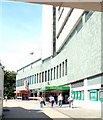
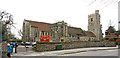
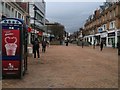
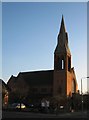
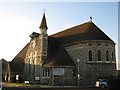
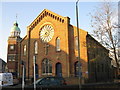
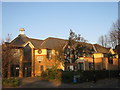
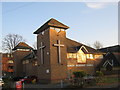
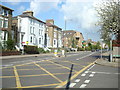
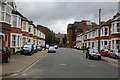
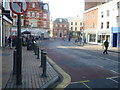
Area Information
Living in BR1 1PR is a practical experience defined by its density and established reputation as part of Bromley Town Ward within the London Borough of Bromley. This postcode cluster contains a specific residential population of 2,033 people, creating a tight-knit environment rather than a sprawling suburb. The area sits at coordinates 51.408226, 0.017578, placing it firmly within Greater London where the landscape has shifted from agrarian village to urban town since the railway arrived in 1858. You will find yourself in a community that traces its roots back to a royal charter granted in 1205, yet the physical character reflects modern suburban development. The ward benefits from significant historical infrastructure, including Bromley Palace, which now serves as a civic centre and town hall. Daily life here revolves around a mix of heritage landmarks and modern convenience. Residents enjoy proximity to major transport hubs and retail centres that have evolved from medieval market days to contemporary shopping. While the area lacks extensive green space protections like AONB status or protected woodlands, it offers direct access to national roads and rail lines. The community feels mature, with a median age of 47, suggesting stability and long-term settlement rather than transient occupation for young professionals or students.
- Area Type
- Postcode
- Area Size
- Not available
- Population
- 2033
- Population Density
- 6120 people/km²
The property market in BR1 1PR is characterised by a high proportion of rental housing, with only 31% of residents owning their homes. This statistic indicates that the Br1 1PR area functions partially as a private-rented sector stronghold, meaning you may find fewer cosseted owner-occupied families than in comparable wards. Flats constitute the predominant accommodation type, which dictates the architectural form and density of the streetscape. You are unlikely to find vast detached bungalows or expansive gardens here, but rather stacked housing designed for efficient land use within the Bromley Town Ward. Higher rental numbers often correlate with proximity to transport links, and BR1 1PR benefits from multiple rail and tram stations nearby. Buyers looking for a traditional family home with substantial space might struggle to find suitable stock in this specific cluster, but investors or renters seeking convenience near Sainsburys Bromley Mall or Bromley North Station will find options. The lack of protected woodland or AONB constraints simplifies planning considerations compared to more rural parts of the London Borough of Bromley. Understanding the rental dominance is crucial when assessing the potential for capital appreciation versus pure rental yield in this specific micro-location.
House Prices in BR1 1PR
No properties found in this postcode.
Energy Efficiency in BR1 1PR
Life in BR1 1PR centres on excellent accessibility to retail, transport, and leisure facilities within practical reach. You have five retail venues nearby, including Sainsburys Bromley, Lidl Bromley, and M&S Bromley, ensuring daily grocery shopping is a quick task. Transport links are diverse, with five rail hubs and five tram stops facilitating seamless travel across the borough. Only two major airports serve the immediate vicinity, with Biggin Hill Airport being the primary general aviation and leisure destination. For water-based activities, Greenwich Pier and Masthouse Terrace Pier offer ferry connections further afield. You will enjoy the historic market tradition that dates back to 1205, now held in the modern town centre. Bromley Palace, formerly a bishop's residence, anchors the civic identity of the area with its current role as the town hall. The combination of major supermarkets, national rail stations, and local trams creates a self-sufficient lifestyle where you rarely need to venture far for essential needs or recreational outings.
Amenities
Schools
Families considering BR1 1PR have access to Bromley Mencap, a special school located in the Bromley area. This single listed institution serves students with special educational needs, reflecting a specific educational provision within the wider school catchment zones. For parents seeking mainstream education, you must look beyond the immediate postcode cluster to schools in Surrounding areas of Bromley, as no mainstream nursery or primary schools appear in the immediate data for BR1 1PR. The presence of a special needs school indicates a supportive local environment for families with children requiring additional assistance. While Bromley Mencap offers a dedicated learning environment, comprehensive schooling options for the general population necessitate exploring broader boundary lines. Residents should contact the local council or check admission zones for nearby state schools that typically serve the Bromley Town Ward. The reliance on one identified institution highlights the need for thorough research into local catchment areas before purchasing a home in this postcode. You cannot assume all standard school types are present in this specific residential cluster without further verification.
| Rank | School | Type | Entry gender | Ages |
|---|
Explore more schools in this area
Go to Schools tabDemographics
The community in BR1 1PR is fairly homogeneous, with White people forming the predominant ethnic group. Adults aged between 30 and 64 years represent the most common age range, dovetailing with the area-wide median age of 47. This demographic profile indicates a settled neighbourhood rather than a hub for new families or older retirees. Home ownership stands at 31%, meaning nearly two-thirds of residents rent their accommodation or own outright. You will find a significant portion of flats forming the core of the accommodation type, reflecting the high-density residential nature of this postcode. The presence of Bromley Mencap nearby suggests the area accommodates individuals with special needs, though this facility operates as a single special school in the vicinity. With over a majority of the population falling into the prime working and middle-aged categories, the local economy likely reflects commercial activity and service provision rather than retirement leisure. The lower home ownership rate compared to many outer London suburbs implies a rental market remains influential here. Residents are likely supportive of local governance structures such as the Borough Council, given the stability of the population over the past several decades.
Household Size
Accommodation Type
Tenure
Ethnic Group
Religion
Household Composition
Age
Household Deprivation
NS-SEC
Explore more demographic insights in this area
Go to Demographics tabPlanning
Planning Constraints
- Flood RiskPremium
- Ramsar Wetland SitesPremium
- Area of Outstanding Natural BeautyPremium
- Protected Nature ReservePremium
- Protected WoodlandPremium