Area Overview for BR1 1NH
Photos of BR1 1NH
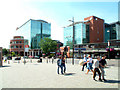
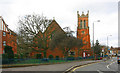
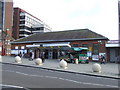
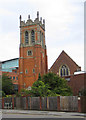
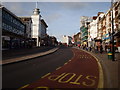
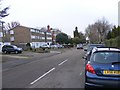
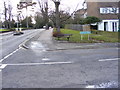
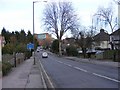
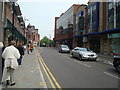
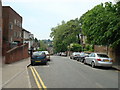
Area Information
Living in BR1 1NH offers a specific entry point into Bromley Town Ward, a suburb within the London Borough of Bromley. This postcode covers a small residential cluster with a defined population of 1252 residents. The area sits at coordinates 51.408226, 0.017578, positioning it firmly among the established residential zones that grew following the arrival of the railway in 1858. Historically, Bromley evolved from an agrarian village forced into suburban growth by the train, eventually becoming part of Greater London in 1965. Today, the ward retains its identity as a functional commuter destination linked to the capital. While the specific estate boundaries of BR1 1NH are small, the immediate surroundings benefit from Bromley's long history as a market town, originally granted a royal charter in 1205. The local civic life is anchored by Bromley Palace, which now houses the town hall on Tweedy Road. Residents here experience daily life within a context where the town centre and its ancient market are historically significant. The area represents a slice of Greater London's suburban legacy, characterised by compact living and proximity to major transport arteries that connect to Shortlands and beyond. It is a place where modern suburban convenience meets old-world administrative heritage.
- Area Type
- Postcode
- Area Size
- Not available
- Population
- Not available
- Population Density
- Not available
The property market in BR1 1NH is defined by a low level of home ownership, with only 35 per cent of residents owning their properties. Consequently, investors and landlords will find a substantial pool of potential tenants in this postcode. The dominant accommodation type is flats, which constitutes the primary housing stock within this small residential cluster. When you search for homes in BR1 1NH, your options centre on apartment living rather than detached or semi-detached houses. This density is characteristic of the Bromley Town Ward, where land use has shifted towards vertical living as the area expanded from its medieval market origins. Prospective buyers should note that securing a property with a mortgage here presents a significant challenge due to the low ownership rate in the immediate vicinity. Tenants, however, find a ready-made market where rental demand is likely steady given the concentration of flats. The housing landscape is tightly managed within the BR1 postcode boundary, offering a distinct alternative to the suburban estates found further afield. If you require a detached house with a large garden, this specific cluster is not the ideal location. Instead, it offers efficient, high-density living suited to those who value proximity to transport hubs over spacious private grounds.
House Prices in BR1 1NH
No properties found in this postcode.
Energy Efficiency in BR1 1NH
Amenities
Schools
| Rank | School | Type | Entry gender | Ages |
|---|
Explore more schools in this area
Go to Schools tabDemographics
The community in BR1 1NH reflects a mature demographic profile with a median age of 47 years. Adults between 30 and 64 years old form the most common age range, indicating a population focused on mid-life stages rather than young families or elderly retirees in large numbers. Only 35 per cent of those living in this cluster own their home, meaning a significant majority live in rented accommodation. The predominant form of housing is flats, which aligns with the lower ownership figure and suggests a density typical of urban living. The most predominant ethnic group is White, mirroring the broader trends often found in established London suburbs. You are likely to meet neighbours who are settled professionals or families navigating the mid-decade life stage. The concentration of residents in flats rather than detached houses implies a higher density of occupancy compared to the wider suburban sprawl. This demographic makes up a stable, settled community where long-term tenancy or joint occupancy is common. The age profile suggests a neighbourhood where quiet evenings and established routines often define daily life, distinct from the bustle found in areas with younger populations or a higher concentration of student housing.
Household Size
Accommodation Type
Tenure
Ethnic Group
Religion
Household Composition
Age
Household Deprivation
NS-SEC
Explore more demographic insights in this area
Go to Demographics tabPlanning
Planning Constraints
- Flood RiskPremium
- Ramsar Wetland SitesPremium
- Area of Outstanding Natural BeautyPremium
- Protected Nature ReservePremium
- Protected WoodlandPremium