Area Overview for Woolpit
Photos of Woolpit

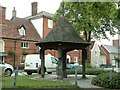
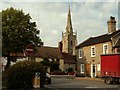


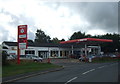

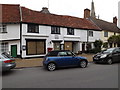
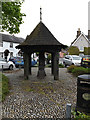


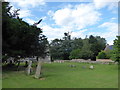
Area Information
Woolpit is a compact built-up area in England, spanning 1.3 km², with a population characterised by a median age of 70. This suggests a community that is predominantly older, with a focus on established living rather than rapid growth. The area is home to a range of amenities, including two primary schools and several retail outlets, making it a self-contained environment for residents. Daily life here is likely shaped by the proximity to local services, such as the East of England Co-operative Co and nearby railway stations, which provide practical connectivity. Woolpit’s modest size and mature demographic profile indicate a quiet, stable neighbourhood where residents may prioritise convenience over urban vibrancy. For those considering living in Woolpit, the balance of local facilities and a lower crime risk—scored 86 out of 100—suggests a safe, low-maintenance lifestyle. The area’s appeal lies in its simplicity, with no need to travel far for essentials, though it may lack the diversity of larger towns. Understanding the community’s age profile and infrastructure is key to assessing whether Woolpit aligns with your housing needs.
- Area Type
- Built Up Area 250
- Area Size
- 1.3 km²
- Population
- Not available
- Population Density
- Not available
Living in Woolpit offers access to a range of local amenities that cater to daily needs. The area is served by five retail outlets, including the East of England Co-operative Co and Budgens Norton, ensuring that essential shopping is within practical reach. These stores likely provide a mix of groceries, household goods, and other necessities, supporting a self-sufficient lifestyle. The presence of Elmswell Railway Station and other nearby rail points adds to the area’s connectivity, allowing residents to commute to nearby towns or cities for work or leisure. While the data does not specify parks or leisure facilities, the combination of retail and transport options suggests a community focused on practicality. The proximity to these amenities means that residents can manage most daily tasks without venturing far, contributing to a convenient, low-stress lifestyle. The character of Woolpit’s amenities appears to be modest but functional, aligning with the area’s overall profile as a quiet, stable neighbourhood.
Amenities
Schools
Woolpit is served by two primary schools: Woolpit Community Primary School and Woolpit Primary Academy. The latter has an Ofsted rating of ‘good’, indicating a school that meets standards in teaching quality and student outcomes. The presence of two primary schools provides families with options, though the data does not specify whether these are state or independent institutions. The mix of school types is not detailed, but the availability of two primary schools within the area suggests that education is accessible for younger residents. For families prioritising school quality, Woolpit Primary Academy’s ‘good’ rating may be a key consideration. However, the absence of secondary school data means parents may need to look beyond the immediate area for further education. The proximity of these schools to residential areas in Woolpit likely enhances the area’s appeal for families, though the overall educational landscape remains focused on primary education.
| Rank | School | Type | Entry gender | Ages |
|---|
Explore more schools in this area
Go to Schools tabDemographics
Woolpit’s population has a median age of 70, with the most common age range encompassing all ages. This indicates a community that is largely composed of older residents, which may influence local services and social dynamics. Home ownership is high at 74%, suggesting a stable housing market where many residents are long-term property owners. The accommodation types and household composition data are not specified, but the high home ownership rate implies a predominance of owner-occupied homes rather than rental properties. The area’s demographic profile, while lacking detailed diversity statistics, points to a population that may be less ethnically varied compared to larger urban centres. This older demographic could mean a quieter, more settled environment, though it may also limit opportunities for younger families or professionals seeking a more dynamic community. The absence of specific data on deprivation or income levels means the quality of life here must be inferred from the available figures, which lean towards stability and low risk.
Household Size
Accommodation Type
Tenure
Ethnic Group
Religion
Household Composition
Age
Household Deprivation
NS-SEC
Explore more demographic insights in this area
Go to Demographics tabPlanning
Planning Constraints
- Crime RiskPremium