Area Overview for Wicken Bonhunt
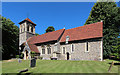
Photos of Wicken Bonhunt
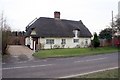
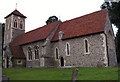
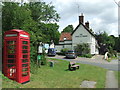
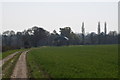



Area Information
Wicken Bonhunt is a small built-up area in England covering 27.2 hectares, home to a population with a median age of 70. This suggests a community skewed towards older residents, which shapes the area’s character. Daily life here is likely defined by proximity to local amenities and a slower pace, given the demographic profile. The area is served by five railway stations, including Newport and Audley End, offering regular commuter links. Nearby retail options such as Tesco Saffron and Spar ensure basic needs are met. While the area’s size is modest, its infrastructure supports a functional lifestyle. For those considering living in Wicken Bonhunt, the combination of accessible transport, a mature population, and a compact footprint makes it a niche choice for those prioritising convenience over urban vibrancy. The high home ownership rate of 78% further indicates a stable, long-term resident base.
- Area Type
- Built Up Area 250
- Area Size
- 27.2 hectares
- Population
- Not available
- Population Density
- Not available
Living in Wicken Bonhunt offers access to five railway stations, including Newport and Audley End, ensuring regular transport links. Retail options are conveniently located, with shops such as Tesco Saffron and Spar within practical reach. These amenities support daily errands and grocery needs, contributing to a self-contained lifestyle. The area’s compact size means residents can access essentials without long commutes. While no parks or leisure facilities are named in the data, the proximity to rail and retail suggests a focus on functional living over expansive leisure options. The combination of transport and retail infrastructure makes Wicken Bonhunt suitable for those prioritising convenience and connectivity.
Amenities
Schools
| Rank | School | Type | Entry gender | Ages |
|---|
Explore more schools in this area
Go to Schools tabDemographics
The population of Wicken Bonhunt has a median age of 70, with the most common age range encompassing all age groups. This suggests a community where older residents form a significant proportion. Home ownership is high, with 78% of households owning their properties, reflecting a settled demographic. The data does not specify household types or ethnic diversity, but the accommodation types and religious affiliations are listed as totals, meaning no breakdown is provided. This lack of granularity means the area’s social fabric remains partially opaque. However, the high ownership rate implies a stable, long-term resident base. The absence of detailed diversity metrics means assumptions about cultural or social dynamics cannot be made.