Area Overview for West Flegg Ward

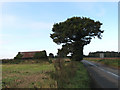
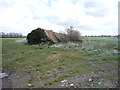
Heading SW past derelict shed on Mill Lane in West Flegg Ward
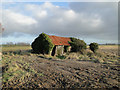
Tumbledown farm building in Mill Lane, Hemsby in West Flegg Ward
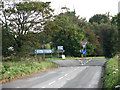
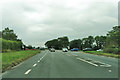
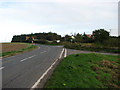
Junction of the B1152 (Mill Lane) with the A149 (High Road) in West Flegg Ward
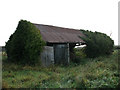
Derelict shed on Mill Lane in West Flegg Ward
Ruined farm building off Mill Lane in West Flegg Ward
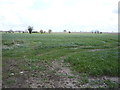
Crop field off Mill Lane in West Flegg Ward
A149 towards Great Yarmouth in West Flegg Ward
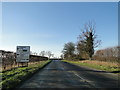
Approaching High Road (A149) from Repps Road in West Flegg Ward
Mill Road meets Mill Lane (both B1152) and Repps Road in West Flegg Ward
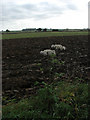
Ploughed field near Repps, Norfolk (2) in West Flegg Ward
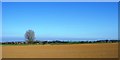
View E across newly ploughed field on Repps Road in West Flegg Ward
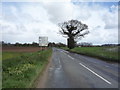
Mill Lane (B1152) in West Flegg Ward
16 photos from this area

Area Information

West Flegg Ward sits on the eastern border of Norfolk, contiguous with the North Sea. This electoral ward within the Great Yarmouth Borough Council area covers 31.2 square kilometres of land. Historically, the region corresponds to the West Flegg sub-district and hundred. In 1870, the area included parishes such as Hemsby, Winterton, East Somerton, and Martham. The location once had a population of 4,571 across 15,786 acres when it operated as part of the East and West Flegg district. Today, the ward functions as a distinct community with deep historical roots. Living in West Flegg Ward means residing in a region shaped by its coastal position and agricultural past. The area's layout reflects its history as part of the Norfolk Incorporations established in the late eighteenth century. You will find a setting that values its position north of Great Yarmouth. The ward comprises several parishes, each contributing to the local character. Residents enjoy proximity to the sea while remaining within the Great Yarmouth administrative boundary. The land size provides space for development while maintaining the ward's perimeter. Understanding this history helps contextualise the current living environment. The ward remains a significant unit for local governance and planning.

Area Type
District Borough Unitary Ward
Area Size
31.2 km²
Population
Not available
Population Density
Not available

Demographics

The community in West Flegg Ward shows a distinct demographic profile. The median age for residents sits at 70 years. This figure indicates a population skewed significantly towards older age groups. Most common age ranges cluster around this high median. Home ownership stands at 80 per cent across the ward. This high rate suggests a stable, established resident base rather than a transient renting population. Household composition data points to a total data set reflecting these long-term residents. Accommodation types generally align with high ownership levels typical of retirement or semi-retirement locations. While specific ethnicity and religion figures are not detailed in the current dataset, the age and ownership stats provide a clear picture. The high home ownership rate of 80 per cent implies many families have lived in the area for decades. This stability often correlates with strong community ties. For new buyers, purchasing in West Flegg Ward likely involves joining an existing, settled community. The demographic structure means services and amenities cater to an older population. You should expect a neighbourhood where residents have deep local knowledge. The age profile of 70 years median age defines the social fabric of the ward. Everyone you meet here is likely part of this mature demographic.

Household Size

total
most common

Accommodation Type

total
most common

Tenure

80
majority

Ethnic Group

total
most common

Religion

total
most common

Household Composition

total
most common

Age

70
median
Age: Total
most common

Household Deprivation

N/A
with no deprivation

NS-SEC

27
in Lower managerial occupations

Explore more demographic insights in this area

Go to Demographics tab

Planning

Planning Constraints

  • Flood Risk
    Premium
  • Ramsar Wetland Sites
    Premium
  • Area of Outstanding Natural Beauty
    Premium
  • Protected Nature Reserve
    Premium
  • Protected Woodland
    Premium
  • Crime Risk
    Premium

Explore more planning insights in this area

Open Planning map

Frequently Asked Questions

Who typically lives in West Flegg Ward and what is the community feel like?
The median age in West Flegg Ward is 70 years, indicating a community dominated by older residents. With 80 per cent home ownership, the ward features a stable, long-term resident base rather than a transient population. This high ownership rate suggests deep local roots and strong community ties. The area attracts those seeking stability over rapid turnover, shaping a distinct retirement-oriented atmosphere. You will find a mature demographic deeply connected to the local parishes and history.
How reliable is the internet connection for remote working in West Flegg Ward?
Fixed broadband quality in West Flegg Ward scores 43 out of 100, which classifies as poor to fair performance. This score means you should not expect consistently high speeds for heavy internet usage. Streaming or video conferencing may face interruptions due to the low quality index. Residents often need alternative data connections to supplement this limited infrastructure if they work from home regularly. The 31.2 square kilometre area does not yet offer comprehensive ultrafast broadband coverage.
Is West Flegg Ward safe from crime and environmental hazards?
Crime risk in West Flegg Ward is low with a safety score of 87 out of 100, placing it below the national average. However, flood risk is critical with a score of 39.95 out of 100, indicating significant threat in parts of the ward. The presence of Ramsar wetland sites and protected nature reserves also restricts certain developments. While daily crime is rare, the potential for flooding requires careful due diligence before buying properties at lower elevations.
What are the main planning constraints affecting new development or extensions in West Flegg Ward?
Residents and developers face several planning constraints within West Flegg Ward. The area contains Ramsar wetland sites, which trigger a warning level for development plans. Additionally, protected nature reserves exist within the 31.2 square kilometre boundary, limiting construction in those specific zones. There is no Area of Outstanding Natural Beauty coverage, but the environmental protections remain strict. These factors mean expansion projects often encounter regulatory hurdles that do not exist in less sensitive locations.

We use cookies to provide you with the best experience. By continuing, you agree to our Cookie Policy .