Area Overview for Waltham Abbey
Photos of Waltham Abbey
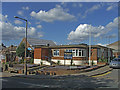
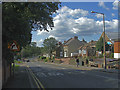
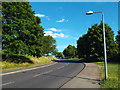
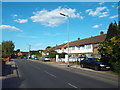
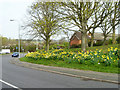
Area Information
Waltham Abbey is a compact town in England, covering just 3.9 km² with a population of 4422 people. Its population density of 1136 people per square kilometre suggests a tightly knit community, though the town’s size means it remains manageable for daily life. The area is notable for its older demographic, with a median age of 70, indicating a significant proportion of residents are retired or in later life. Despite its small footprint, Waltham Abbey offers practical connectivity to nearby towns through rail and metro links, and its proximity to retail hubs like Tesco Waltham and Lidl Waltham ensures everyday needs are met. The town’s character is defined by its balance of small-town charm and access to broader networks, making it a viable choice for those seeking a quieter lifestyle without complete isolation. For buyers, the challenge lies in understanding whether the community’s demographic and infrastructure align with their long-term needs, particularly for families or those requiring active transport options.
- Area Type
- Built Up Area 250
- Area Size
- 3.9 km²
- Population
- 4422
- Population Density
- 1136 people/km²
The lifestyle in Waltham Abbey is shaped by its proximity to essential amenities, including retail hubs like Tesco Waltham, Lidl Waltham, and Co-op Waltham, which cater to daily needs. The town’s rail and metro stations—such as Waltham Cross and Loughton—connect residents to broader networks, facilitating access to leisure, employment, and cultural opportunities beyond the immediate area. While the data does not specify parks or recreational facilities, the presence of multiple schools and shops suggests a community-oriented environment. The convenience of nearby amenities, combined with practical transport links, makes Waltham Abbey suitable for those prioritising accessibility over expansive green spaces, though the lack of detailed information on leisure options means buyers should seek local insights for a fuller picture of the area’s character.
Amenities
Schools
Waltham Abbey is served by several primary schools, including Waltham Holy Cross Junior School, Thomas Tallis Infant School, St Lawrence Church of England Voluntary Aided Junior School, The Leverton Infant and Nursery School, and Leverton Primary School, which holds an Ofsted rating of 'good'. These institutions provide a range of options for families, with both infant and junior schools available to cater to different age groups. The presence of multiple primary schools suggests a focus on early education, though the data does not indicate the availability of secondary schools or specialist provision. For families prioritising school quality, Leverton Primary’s 'good' rating may be a key consideration, though the absence of secondary education options in the area could influence decisions about long-term residency.
| Rank | School | Type | Entry gender | Ages |
|---|
Explore more schools in this area
Go to Schools tabDemographics
The population of Waltham Abbey is predominantly older, with a median age of 70, which is significantly higher than the national average. This suggests a community where retirement is a central life stage, though the data does not specify whether this reflects long-term residents or recent shifts in demographics. Home ownership stands at 65%, indicating that a majority of residents live in properties they own, which may influence the local housing market’s dynamics. The data does not provide details on household composition or ethnic diversity, but the population density of 1136 people per km² implies a mix of single-person households and possibly multi-generational living. The absence of specific figures on deprivation or income levels means the area’s quality of life cannot be fully assessed, though the high home ownership rate may suggest a stable, long-term resident base.
Household Size
Accommodation Type
Tenure
Ethnic Group
Religion
Household Composition
Age
Household Deprivation
NS-SEC
Explore more demographic insights in this area
Go to Demographics tabPlanning
Planning Constraints
- Crime RiskPremium