Area Overview for Twinstead
Photos of Twinstead
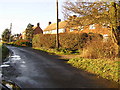
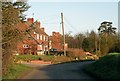
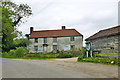
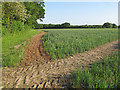
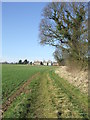

Area Information
Living in Twinstead offers a distinct experience within the civil parish of this Hampshire village. You are locating yourself in a small community spanning just 4.7 square kilometres. This limited footprint defines the pace of daily life, creating an environment where the boundaries between residential zones and open space are often fluid. The area functions as a rural retreat without the isolation of the most remote countryside locations. Recent figures indicate a significant demographic shift, with the median age rising to 70 years. This statistic suggests that Twinstead attracts a population seeking retirement or quieter living rather than families with young children. The community has remained relatively stable over recent years, reflecting a desire for permanence rather than transient living. A high proportion of local homes remain in private hands, indicating a deep-rooted connection between residents and their neighbourhood. You will find that daily routines revolve around local amenities and green spaces rather than town centres or industrial zones. The digital infrastructure supports modern working patterns, ensuring that silence in the countryside does not mean disconnection from the wider world. For those considering Twinstead, the landscape presents a quiet, grounded alternative to busier districts while maintaining essential connectivity.
- Area Type
- Parish
- Area Size
- 4.7 km²
- Population
- Not available
- Population Density
- Not available
Demographics
The community profile of Twinstead reveals a mature and settled population. The median age stands at 70 years, placing this parish well above the national average for age. This figure indicates that the typical resident is likely retired or eligible for a state pension. You will not find a youthful demographic dominating the streets; instead, the area serves as a retirement haven or a destination for downsizing. Home ownership defines the housing landscape, with 80 percent of properties held by their occupants. This high rate of ownership contrasts sharply with wider urban centres where rental housing is far more common. The data shows that accommodation types are focused on permanent residences rather than short-term lets or social housing projects. Household composition follows logically from these figures, suggesting stable family units rather than transient arrangements. While specific data on ethnic diversity and religious affiliation is not detailed in current reports, the demographic stability implies a consistent cultural fabric over time. The absence of significant student housing or commuter estates further reinforces the retirement-oriented nature of the parish. Every statistic available points toward a demographically uniform community where residents have already established long-term ties to the property.
Household Size
Accommodation Type
Tenure
Ethnic Group
Religion
Household Composition
Age
Household Deprivation
NS-SEC
Explore more demographic insights in this area
Go to Demographics tabPlanning
Planning Constraints
- Flood RiskPremium
- Ramsar Wetland SitesPremium
- Area of Outstanding Natural BeautyPremium
- Protected Nature ReservePremium
- Protected WoodlandPremium
- Crime RiskPremium