Area Overview for Tring East Ward
Photos of Tring East Ward
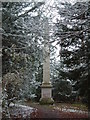
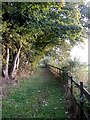
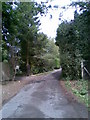
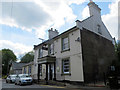
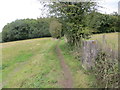
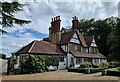
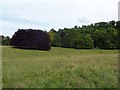
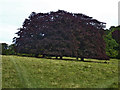
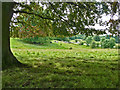
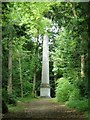
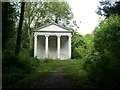
Area Information
Living in Tring East Ward offers a distinct experience defined by its significant size and quiet character. This district borough unitary ward covers an extensive 12.6 square kilometres, providing ample space for residents to enjoy. The area sits within Hertfordshire, England, far from the congestion of major cities. You will find a neighbourhood that prioritises space over density, suitable for those seeking a home surrounded by greenery rather than high-rise blocks. Daily life here revolves around a slower pace, with the large land area contributing to a sense of openness. Prospective buyers often choose homes in this ward because it combines rural accessibility with local community ties. The environment feels expansive, allowing for larger gardens and private outdoor room compared to denser urban zones. While specific population figures are not listed in the current records, the vast land area suggests scattered development rather than a compact city centre. This layout means your neighbours may be neighbours only in terms of local governance. You can expect a lifestyle where proximity to nature is a constant feature of your address. The ward's identity is firmly rooted in its physical scale, making it different from smaller, more intense neighbourhoods. Whether you walk or drive, the 12.6 square kilometre footprint ensures you have room to breathe around your property.
- Area Type
- District Borough Unitary Ward
- Area Size
- 12.6 km²
- Population
- Not available
- Population Density
- Not available
Demographics
The community in Tring East Ward reflects a settled, established population with a clear generational profile. The median age of residents is 70 years, indicating that the ward is dominated by older adults living in their own homes. This demographic structure means the local shops and services cater to an older clientele, creating a quiet, family-oriented atmosphere. You will not find the rapid turnover of young professionals or transient students typical of student towns. The social landscape is shaped by long-term residents who have remained in the area for decades. Home ownership levels stand at 82 percent, which is an exceptionally high rate. This statistic confirms that the majority of households are owner-occupied rather than reliant on the rental market. Consequently, the local economy benefits from residents with significant asset wealth. The age range data notes 'Age: Total', suggesting the population is grouped broadly rather than segmented into specific youth or middle-aged brackets. This simplicity aligns with the fact that most people living here are retiring or retired. The low level of renting implies stability, as owners in Tring East Ward are less likely to move frequently. You can expect a neighbourhood where visibility and familiarity reign supreme among neighbours. The lack of younger demographics suggests fewer large families, meaning schools may see lower demand compared to areas with younger children. Your everyday interactions will likely involve peers of similar age and life stage.
Household Size
Accommodation Type
Tenure
Ethnic Group
Religion
Household Composition
Age
Household Deprivation
NS-SEC
Explore more demographic insights in this area
Go to Demographics tabPlanning
Planning Constraints
- Flood RiskPremium
- Ramsar Wetland SitesPremium
- Area of Outstanding Natural BeautyPremium
- Protected Nature ReservePremium
- Protected WoodlandPremium
- Crime RiskPremium