Area Overview for Thornham Parva
Photos of Thornham Parva
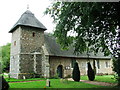
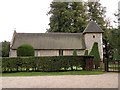
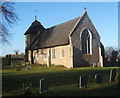
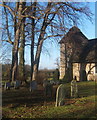
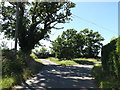
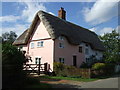
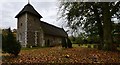
Area Information
Thornham Parva is a distinct civil parish located in England, covering a modest total area of 2.8 square kilometres. Life here follows a traditional rhythm suited to those seeking a quiet retreat rather than urban convenience. The settlement functions as a self-contained community where daily activities rely heavily on local facilities and established routes. You will find a property market dominated by long-term residents who have put down roots across the parish boundaries. This small footprint means that local amenities serve a tight-knit population, creating a sense of familiarity that repeats throughout your weekly routine. Homes in Thornham Parva are typically situated close to one another, fostering a neighbourhood dynamic where neighbours know each other well. The environment is defined by its rural character rather than commercial development. Whether you drive to nearby towns or manage your day locally, the compact size ensures you are never far from home. Living in this parish offers a lifestyle where the boundary between your garden and the wider countryside remains clear. Expect a pace of life that values stability and continuity over rapid change or growth. The community within Thornham Parva reflects a settled population with a median age of 70. This statistic highlights that the demographic makeup skews significantly towards older adults who have chosen to remain in the parish or move into these homes later in life. Home ownership stands at 81 per cent, indicating that the vast majority of residents own their properties outright or through a mortgage. This high level of ownership suggests stability within the households, as most people are unlikely to move frequently. You will encounter a neighbourhood where families have built lives over decades rather than short-term rentals. The accommodation types are consistent with a settled population, though specific breakdowns by property style are not detailed in the available records. Households tend to be established units rather than transient arrangements. There is no indication of a young professional demographic or a large student population, reinforcing the reputation of the area as a retirement or long-term residence zone. When you visit homes in Thornham Parva, you are entering spaces occupied by people of a specific age bracket who value permanence. This demographic reality shapes everything from local services to the social atmosphere. The housing landscape of Thornham Parva is defined by an 81 per cent home ownership rate. This figure indicates that the market is overwhelmingly dominated by owner-occupiers rather than landlords managing rental properties. Homes in Thornham Parva are rarely turned over quickly, which creates a stable environment for anyone considering a purchase. The high ownership percentage suggests that many residents have lived in their properties for many years, potentially meaning the stock consists of older, characterful cottages and farmhouses typical of the region. Accommodation types generally align with this rural profile, though the data does not specify the exact split between detached, semi-detached, or terraced houses. If you are looking to buy a home in this parish, you will likely engage with private sales where sellers are motivated by local ties instead of market speculators. This dynamic often results in more personal interactions during viewings. The absence of a significant rental sector in the statistics means you will not find many leases or short-term lets available. Instead, the available properties are those chosen by previous owners who wished to stay. Understanding this market structure helps you anticipate a slower transaction process with deeply rooted sellers. Digital connectivity for residents of Thornham Parva remains functional but does not reach optimal levels. Mobile coverage scores a 78 out of 100, which falls into the good category for rural locations. This score indicates reliable signal for general usage, such as calls, texts, and standard web browsing. However, if you work from home and require high-speed downloads or large file transfers, this level of mobile data may present limitations compared to urban networks. Broadband speeds are not explicitly detailed in the available reports, but the mobile score serves as a reasonable proxy for general information flow in the area. You should verify specific broadband packages from major providers before making an offer, as fixed-line infrastructure often varies widely in civil parishes of this size. Working from home in Thornham Parva is feasible for most tasks, provided you have a strong Wi-Fi connection that supplements the mobile signal. Commuters relying on digital tools for daily updates will find the connection adequate for standard operations. Streaming video or video conferencing works well in most spots within the 2.8 square kilometre boundary, though margins for error are smaller than in metropolitan zones. Residents of Thornham Parva benefit from strong safety credentials across key environmental and civil categories. The crime risk assessment returns a score of 84 out of 100, which places this neighbourhood in a clear 'low' risk category. This figure confirms that crime rates here are below the national average, offering peace of mind for families and individuals alike. Flood risk is equally reassuring, with a score of 1.19 indicating 'low flood risk coverage'. You can expect to purchase a home here without worrying about significant water inundation threats. Planning constraints are minimal in most respects, as the parish contains no Ramsar wetland sites and no Areas of Outstanding Natural Beauty. There is also no protected nature reserve coverage within the immediate boundaries, which simplifies the planning permission process for potential extensions or outbuildings. A notable consideration involves protected woodland, which carries a score of 1.17 and registers a 'warning' level. This means some tree cover exists within the parish and may require consultation if development touches these specific zones. Overall, the safety profile is robust, with genuine environmental protections limited to designated wooded areas rather than broad ecological restrictions. Who typically lives in Thornham Parva and what is the community like? The median age in Thornham Parva is 70, meaning the community is predominantly made up of older residents. With 81 per cent of people owning their homes, the area features a stable population of owner-occupiers rather than short-term renters. You will find a settled neighbourhood where houses have often been in families for many years. How reliable are internet and phone services for working from home? Mobile coverage in Thornham Parva scores 78 out of 100, which represents a good standard for a rural civil parish. This level supports standard communication and web browsing effectively. However, high-speed bandwidth needed for intensive remote work may vary, so checking specific broadband providers is advisable before committing to a property. Is Thornham Parva considered a safe place to live? Safety levels are high in Thornham Parva, with a crime risk score of 84 out of 100 indicating rates below the national average. The area also has very low flood risk, scoring 1.19, and lacks major planning constraints like protected wetlands or AONBs. The only minor concern is the presence of protected woodland within the parish boundaries. What types of properties can I find in this parish? Because 81 per cent of households own their homes, Thornham Parva offers a market heavily skewed towards owner-occupied properties rather than rentals. The 2.8 square kilometre area consists of a rural housing stock suited to older residents. You will typically find detached or semi-detached homes reflecting the long-standing nature of the community.
- Area Type
- Parish
- Area Size
- 2.8 km²
- Population
- Not available
- Population Density
- Not available
Demographics
The community within Thornham Parva reflects a settled population with a median age of 70. This statistic highlights that the demographic makeup skews significantly towards older adults who have chosen to remain in the parish or move into these homes later in life. Home ownership stands at 81 per cent, indicating that the vast majority of residents own their properties outright or through a mortgage. This high level of ownership suggests stability within the households, as most people are unlikely to move frequently. You will encounter a neighbourhood where families have built lives over decades rather than short-term rentals. The accommodation types are consistent with a settled population, though specific breakdowns by property style are not detailed in the available records. Households tend to be established units rather than transient arrangements. There is no indication of a young professional demographic or a large student population, reinforcing the reputation of the area as a retirement or long-term residence zone. When you visit homes in Thornham Parva, you are entering spaces occupied by people of a specific age bracket who value permanence. This demographic reality shapes everything from local services to the social atmosphere. The housing landscape of Thornham Parva is defined by an 81 per cent home ownership rate. This figure indicates that the market is overwhelmingly dominated by owner-occupiers rather than landlords managing rental properties. Homes in Thornham Parva are rarely turned over quickly, which creates a stable environment for anyone considering a purchase. The high ownership percentage suggests that many residents have lived in their properties for many years, potentially meaning the stock consists of older, characterful cottages and farmhouses typical of the region. Accommodation types generally align with this rural profile, though the data does not specify the exact split between detached, semi-detached, or terraced houses. If you are looking to buy a home in this parish, you will likely engage with private sales where sellers are motivated by local ties instead of market speculators. This dynamic often results in more personal interactions during viewings. The absence of a significant rental sector in the statistics means you will not find many leases or short-term lets available. Instead, the available properties are those chosen by previous owners who wished to stay. Understanding this market structure helps you anticipate a slower transaction process with deeply rooted sellers. Digital connectivity for residents of Thornham Parva remains functional but does not reach optimal levels. Mobile coverage scores a 78 out of 100, which falls into the good category for rural locations. This score indicates reliable signal for general usage, such as calls, texts, and standard web browsing. However, if you work from home and require high-speed downloads or large file transfers, this level of mobile data may present limitations compared to urban networks. Broadband speeds are not explicitly detailed in the available reports, but the mobile score serves as a reasonable proxy for general information flow in the area. You should verify specific broadband packages from major providers before making an offer, as fixed-line infrastructure often varies widely in civil parishes of this size. Working from home in Thornham Parva is feasible for most tasks, provided you have a strong Wi-Fi connection that supplements the mobile signal. Commuters relying on digital tools for daily updates will find the connection adequate for standard operations. Streaming video or video conferencing works well in most spots within the 2.8 square kilometre boundary, though margins for error are smaller than in metropolitan zones. Residents of Thornham Parva benefit from strong safety credentials across key environmental and civil categories. The crime risk assessment returns a score of 84 out of 100, which places this neighbourhood in a clear 'low' risk category. This figure confirms that crime rates here are below the national average, offering peace of mind for families and individuals alike. Flood risk is equally reassuring, with a score of 1.19 indicating 'low flood risk coverage'. You can expect to purchase a home here without worrying about significant water inundation threats. Planning constraints are minimal in most respects, as the parish contains no Ramsar wetland sites and no Areas of Outstanding Natural Beauty. There is also no protected nature reserve coverage within the immediate boundaries, which simplifies the planning permission process for potential extensions or outbuildings. A notable consideration involves protected woodland, which carries a score of 1.17 and registers a 'warning' level. This means some tree cover exists within the parish and may require consultation if development touches these specific zones. Overall, the safety profile is robust, with genuine environmental protections limited to designated wooded areas rather than broad ecological restrictions. Who typically lives in Thornham Parva and what is the community like? The median age in Thornham Parva is 70, meaning the community is predominantly made up of older residents. With 81 per cent of people owning their homes, the area features a stable population of owner-occupiers rather than short-term renters. You will find a settled neighbourhood where houses have often been in families for many years. How reliable are internet and phone services for working from home? Mobile coverage in Thornham Parva scores 78 out of 100, which represents a good standard for a rural civil parish. This level supports standard communication and web browsing effectively. However, high-speed bandwidth needed for intensive remote work may vary, so checking specific broadband providers is advisable before committing to a property. Is Thornham Parva considered a safe place to live? Safety levels are high in Thornham Parva, with a crime risk score of 84 out of 100 indicating rates below the national average. The area also has very low flood risk, scoring 1.19, and lacks major planning constraints like protected wetlands or AONBs. The only minor concern is the presence of protected woodland within the parish boundaries. What types of properties can I find in this parish? Because 81 per cent of households own their homes, Thornham Parva offers a market heavily skewed towards owner-occupied properties rather than rentals. The 2.8 square kilometre area consists of a rural housing stock suited to older residents. You will typically find detached or semi-detached homes reflecting the long-standing nature of the community.
Household Size
Accommodation Type
Tenure
Ethnic Group
Religion
Household Composition
Age
Household Deprivation
NS-SEC
Explore more demographic insights in this area
Go to Demographics tabPlanning
Planning Constraints
- Flood RiskPremium
- Ramsar Wetland SitesPremium
- Area of Outstanding Natural BeautyPremium
- Protected Nature ReservePremium
- Protected WoodlandPremium