Area Overview for Thornage
Photos of Thornage
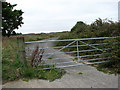
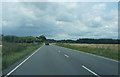
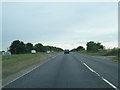
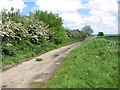
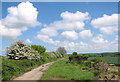
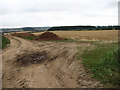
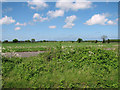
Area Information
Thornage is a small civil parish covering an area of 5.1 km² in England. It offers a compact living environment with no protective planning constraints, as it contains no Ramsar wetland sites, Areas of Outstanding Natural Beauty, or protected woodlands. This absence of restrictions means that development potential is less encumbered by conservation rules compared to more sensitive rural locations. The community is characterised by a distinct older demographic, with a median age of 70 years. This demographic profile defines the rhythm of daily life, suggesting a settlement geared towards retirement or long-term residency rather than young families or transient professionals. For anyone considering living in Thornage, the landscape is defined by this settled nature and the lack of designated natural protected areas. You will find a village where the pace is likely determined by the needs of its senior residents. The small size ensures that distances between homes and local amenities are manageable, fitting the lifestyle of those who have assessed their criteria carefully before choosing this specific parish. The area provides a straightforward rural setting without the complexity of major environmental designations that often restrict building projects in other parts of the countryside.
- Area Type
- Parish
- Area Size
- 5.1 km²
- Population
- Not available
- Population Density
- Not available
Demographics
The community within Thornage is predominantly composed of older adults. Statistics show that the median age is 70, which places the area firmly within the category of a senior-led locality. The most common age range classification in the data covers the total population, reflecting this skewed distribution without specific subgroup breakdowns. House ownership is the primary status for residents, with 69% of households owning their homes outright. This high ownership rate indicates a stable community where many residents have remained in the area for extended periods. The data does not provide a specific breakdown of household composition types, such as the number of single-person versus multi-generational homes, though the median age strongly suggests a prevalence of single-occupancy households. Furthermore, there is no specific data available regarding predominant ethnic groups or religious affiliations within the parish. While you cannot determine the specific cultural or religious makeup from the provided figures, the age and ownership statistics paint a clear picture of a traditional, home-owner dominated settlement. This demographic stability often translates into strong local neighbourly ties, yet it also means the area may not appeal to buyers seeking a younger, transient population.
Household Size
Accommodation Type
Tenure
Ethnic Group
Religion
Household Composition
Age
Household Deprivation
NS-SEC
Explore more demographic insights in this area
Go to Demographics tabPlanning
Planning Constraints
- Flood RiskPremium
- Ramsar Wetland SitesPremium
- Area of Outstanding Natural BeautyPremium
- Protected Nature ReservePremium
- Protected WoodlandPremium
- Crime RiskPremium