Area Overview for Tharston and Hapton
Photos of Tharston and Hapton
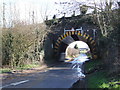
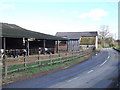
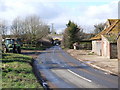
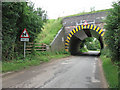
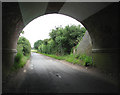
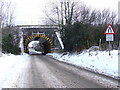
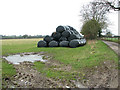
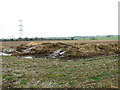
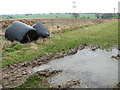
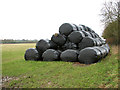
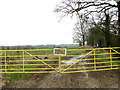
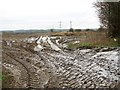
Area Information
Living in Tharston and Hapton means residing within a compact civil parish covering 9.3 km² in England. This small area offers a distinct residential environment defined by its inland location and low population density. You enter a community where the scale of development remains modest, avoiding the congestion found in larger towns. The geography supports a quiet lifestyle centred on local proximity rather than large-scale urban infrastructure. Daily life here revolves around the immediate neighbourhood, with a focus on simplicity and space. Prospective buyers seeking Tharston and Hapton are often attracted by the preserved character of the parish. The area functions as a self-contained entity where residents know one another well. You navigate a landscape that prioritises rural tranquillity over urban vibrancy. The distinction between Tharston and Hapton is administrative, yet the physical layout encourages a unified community feel. Homebuyers find this location suitable if they value a slower pace over immediate access to major transport hubs. The setting provides a clear break from metropolitan pressures while maintaining essential local services. This parish offers a straightforward proposition for those who prioritise space and quiet over convenience. You find a home environment that respects historical settlement patterns. The 9.3 km² footprint ensures that distances remain manageable for walking or cycling within the parish boundaries. Living in Tharston and Hapton delivers stability, with a population structure that has adapted to low-density living. The area stands as a practical choice for retirees or those seeking a retreat from city life. You gain access to a defined locality where the community remains tight-knit. The simplicity of the layout means you understand exactly what you are buying without hidden urban complexities. Tharston and Hapton presents a clear picture of rural England in a post-industrial context. You enjoy the benefits of a small parish without the drawbacks of extreme isolation. The area maintains its integrity as a residential zone free from heavy industrial activity. Homebuyers appreciate the clarity of the local boundaries and the lack of planning constraints related to protected natural sites. This straightforward nature makes Tharston and Hapton an accessible option for those considering their next move. The parish offers a grounded experience where priorities centre on living in a stable, defined community. You secure a home in an area that values tradition and quietude over rapid growth or development.
- Area Type
- Parish
- Area Size
- 9.3 km²
- Population
- Not available
- Population Density
- Not available
Demographics
The community in Tharston and Hapton reflects a mature settlement with a median age of 70 years. You encounter a population composed predominantly of older residents, suggesting this is a retirement-focused area or a location where many families have moved in later life. This demographic profile shapes the social fabric, with households likely mirroring the needs of those in their seventh and eighth decades. Shopping needs and leisure activities centre on low-key offerings suitable for an older demographic. Home ownership stands at 62 per cent within the parish. This high figure indicates a stable community where residents extend their tenure over long periods. You find that the majority of households possess their properties rather than renting, creating a sense of permanence. This ownership rate typically correlates with lower turnover and stronger local networks among neighbours. The lack of short-term rental pressure supports a more predictable environment for long-term settlement. You will note that specific data regarding ethnic groups, religious affiliation, and detailed household composition types are not detailed in the current dataset. However, the age statistics provide a clear indication of the primary group residing here. The 70-year median age directly influences the character of daily interactions and the types of services that remain economically viable. Children and young professionals may feel outnumbered by the older demographic. This composition creates a noise-free environment but limits the availability of youth-oriented facilities. When evaluating homes in Tharston and Hapton, you must accept that the social scene revolves around the interests of older adults. The community functions as a retirement enclave where the population structure remains consistent over time.
Household Size
Accommodation Type
Tenure
Ethnic Group
Religion
Household Composition
Age
Household Deprivation
NS-SEC
Explore more demographic insights in this area
Go to Demographics tabPlanning
Planning Constraints
- Flood RiskPremium
- Ramsar Wetland SitesPremium
- Area of Outstanding Natural BeautyPremium
- Protected Nature ReservePremium
- Protected WoodlandPremium
- Crime RiskPremium