Area Overview for Sudbury South East Ward
Photos of Sudbury South East Ward
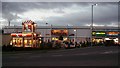
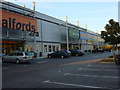
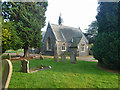

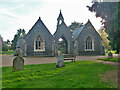
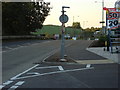
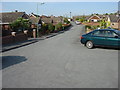
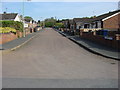

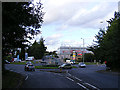
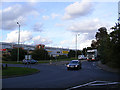
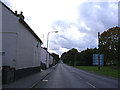
Area Information
Living in Sudbury South East Ward offers a defined experience within a small but distinct boundaries. This ward covers just 1.2 km², creating an intimate locality rather than a sprawling expanse. You will find a community defined by stability and a significant number of long-term residents. The area sits within the borough unitary structure of East Suffolk, integrating seamlessly with the wider Sudbury landscape while maintaining its own character. Daily life here is shaped by a high level of resident commitment to their homes and a settled atmosphere. The ward stands out for its compact size, which often fosters a closer-knit environment where neighbours look out for one another. Prospective homebuyers should understand that you are entering a mature part of Sudbury that prioritises established living over rapid development. The physical footprint is finite, meaning the housing stock reflects decades of historical growth rather than modern sprawl. This translates to a setting where the pace of life is measured, and the focus remains on the quality of the immediate surroundings. When considering homes in Sudbury South East Ward, expect a setting that values privacy and quiet over high-energy commercial activity.
- Area Type
- District Borough Unitary Ward
- Area Size
- 1.2 km²
- Population
- Not available
- Population Density
- Not available
Demographics
The community profile of Sudbury South East Ward is dominated by mature residents. The median age reaches 70, indicating this is primarily a retirement-oriented or later-life settlement. This demographic shift shapes the social rhythm of the ward, where energy levels differ from younger neighbourhoods. You will find very few families with young children compared to other parts of the district. Households are consequently smaller or single-person units driven by the age structure of the population. Home ownership stands at a commanding 67% within this ward. This figure signals a deeply rooted population that has invested heavily in their properties over time. High ownership rates often correlate with lower tenant turnover and greater community stability. While the data does not specify ethnic composition, the age profile suggests a traditional demographic distribution common in established English towns. Religion and household composition data are not detailed in the available records, so the social fabric appears defined more by age and tenure than cultural diversity metrics. Quality of life is influenced significantly by this age profile. With a median age of 70, local services and amenities likely cater to older adults, from GP surgeries to leisure centres. The overwhelming majority of residents own their homes, suggesting financial stability and a low likelihood of forced relocations. Notably, the most common age grouping is recorded simply as "Total", which implies the data aggregates all ages into a single bracket for general reporting rather than segmenting them further. This lack of granular age segmentation reinforces the overriding importance of the 70-year median.
Household Size
Accommodation Type
Tenure
Ethnic Group
Religion
Household Composition
Age
Household Deprivation
NS-SEC
Explore more demographic insights in this area
Go to Demographics tabPlanning
Planning Constraints
- Flood RiskPremium
- Ramsar Wetland SitesPremium
- Area of Outstanding Natural BeautyPremium
- Protected Nature ReservePremium
- Protected WoodlandPremium
- Crime RiskPremium