Area Overview for Staploe
Photos of Staploe
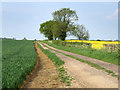
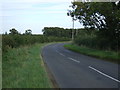
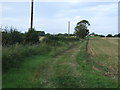
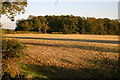
Area Information
Living in Staploe offers a distinctly quiet life within a civil parish that spans 18.9 km² in England. You will find a space defined by low-density living rather than the pace found in larger towns or cities. The area sits comfortably outside the constraints of major protected surroundings; it holds no Registers of National Heritage sites for listed buildings, no Areas of Outstanding Natural Beauty coverage, and no Ramsar wetland sites. You also do not need to navigate planning restrictions associated with protected nature reserves within the parish boundaries. Your only significant planning consideration involves protected woodland, which carries a warning status and covers 1.53 points on the risk scale. This distinction means developers must be careful, but existing residents generally face fewerunexpected planning hurdles than those in more constrained zones. The safety profile further supports a tranquil existence, with crime risk rated as low on a scale where a score of 80 indicates below-average rates compared to the national average. You will not encounter high flood risk either, as the area scores just 1.63 on a risk assessment where lower figures denote less danger. This combination of open space, minimal planning red tape regarding wetlands or AONBs, and a secure environment defines the daily rhythm for anyone considering homes in Staploe. The community in Staploe reflects a settled population with a median age of 70 years. This figure indicates that the majority of residents are older adults, creating an atmosphere more typical of a retirement village or a long-held family home than a youthful的新生ing hub. Age data confirms this trend, showing that the most common age range falls significantly higher than the national average for working families. Household composition and accommodation type data are not provided in the current dataset, so specific details on family sizes or dwelling structures remain unrecorded here. However, the ownership picture is clear and robust. Home ownership stands at 82%, a figure that places Staploe firmly among owner-occupied areas rather than rental strongholds. This high rate suggests financial stability among residents and a community deeply rooted in the local landscape. While predominant ethnic groups and religious affiliations are not documented in the available figures, the demographic snapshot of age and ownership paints a picture of a traditional, stable enclave. For you, a potential buyer, this means purchasing in Staploe often involves entering an estate where long-term residents have built their lives, resulting in a low-turnover environment where neighbours are likely to have known each other for decades. The housing market in Staploe is characterised principally by permanent ownership rather than short-term lets. With 82% of households owning their homes, the area reflects a community built on equity and long-term residence. This high ownership rate implies that the stock likely consists of rented properties that are converting to owner-occupied status or existing family homes bought through traditional chains. You should expect that deals here might move slower due to the nature of owner-funder buyers rather than accelerated rental turnovers. Accommodation type data is not currently available, preventing a breakdown of single-family versus multi-unit housing, but the ownership percentage strongly suggests detached and semi-detached family residences dominate the landscape. If you are looking at homes in Staploe, you are entering a market where sellers have a strong emotional and financial stake in the property. This stability often translates to well-maintained buildings and established gardens, as owners are more likely to invest in their own dwellings rather than treating them as transient investments. The 18.9 km² size of the parish allows for spacious plots and ample room for gardens, which aligns with the preferences of older buyers who value outdoor space. The lack of rental pressure also means competition for properties can be fierce among local families looking to upsize or downsize within their specific locality, often leading to prices that reflect the cost of entry into the local market rather than market speculative gains. Digital connectivity for anyone living in Staploe presents a mixed profile that requires careful consideration for remote workers and heavy internet users. Mobile network coverage is generally reliable, scoring 84 out of 100 on the quality scale. This rating places the area firmly in the good to excellent bracket for mobile data, meaning you can depend on phones and tablets for communication, navigation, and emergency contact without frequent signal loss in the built-up parts of the parish. Fixed broadband, however, presents a more significant constraint. The broadband quality score stands at 42 out of 100, which rates the connection as poor to fair at best. You must factor this into your decision if you rely on high-speed internet for work or entertainment. Streaming, large file downloads, and video conferencing may experience noticeable lag or interruptions depending on your exact location in the 18.9 km² parish. There are no train stations or major motorways recorded in the immediate data, reinforcing the rural nature of the area. While the mobile signal keeps you connected on the go, your home browsing experience relies on infrastructure that has not been fully upgraded to meet contemporary demands. You might need to source your own fibre provider or accept slower speeds. For those moving to Staploe, this disparity between mobile and fixed lines means you cannot assume a modern digital home setup out of the box. Safety and environmental factors in Staploe present a largely reassuring picture for prospective buyers, though one specific planning constraint warrants attention. The crime risk assessment scores 80 out of 100, with a level described explicitly as "Pass". This indicates low crime rates and positions the neighbourhood as safer than the national average. You can expect a quiet environment where local policing links typically yield positive results for community safety. Flood risk is similarly minimal, with the area scoring just 1.63 out of 100. This low score confirms low flood risk coverage, meaning your property is unlikely to face disruption or damage from rising water levels. The landscape also lacks any Ramsar wetland sites or Areas of Outstanding Natural Beauty designations, removing the strict planning safeguards that often limit development in more scenic regions. However, a warning level exists for protected woodland. Your area contains protected woodland with a score of 1.53 on the constraints scale. This means that any proposed building work near these woods would attract stricter scrutiny from planning authorities. While this restriction protects the green belt for everyone, it limits your chances of extending a property or building a new structure nearby. Overall, the combination of low crime, low flood risk, and the absence of major planning constraints like AONBs or wetlands makes Staploe a safe bet for living, provided you respect the boundaries of the protected woodland. What defines the demographic profile of Staploe?The median age in Staploe is 70 years, indicating a mature population. Home ownership is at 82%, showing that the vast majority of residents own their properties rather than rent. Specific data on household composition and ethnic diversity is not currently available, but the age and ownership figures paint a picture of a stable, older community. How are transport and digital connections in Staploe?Mobile coverage is good, scoring 84 out of 100, so you can rely on phones and tablets. Fixed broadband, however, scores only 42 out of 100, which rates as poor to fair. You may experience slower internet speeds at home, which is a key consideration for working remotely from a property in this 18.9 km² parish. Is Staploe a safe place to live regarding crime and environment?Yes, Staploe has a low crime risk with a safety score of 80, placing it below the national average for crime. Flood risk is also low at 1.63. The main environmental constraint is protected woodland, which scores 1.53 as a planning warning. There are no AONB or wetland site restrictions affecting new developments.
- Area Type
- Parish
- Area Size
- 18.9 km²
- Population
- Not available
- Population Density
- Not available
Demographics
The community in Staploe reflects a settled population with a median age of 70 years. This figure indicates that the majority of residents are older adults, creating an atmosphere more typical of a retirement village or a long-held family home than a youthful的新生ing hub. Age data confirms this trend, showing that the most common age range falls significantly higher than the national average for working families. Household composition and accommodation type data are not provided in the current dataset, so specific details on family sizes or dwelling structures remain unrecorded here. However, the ownership picture is clear and robust. Home ownership stands at 82%, a figure that places Staploe firmly among owner-occupied areas rather than rental strongholds. This high rate suggests financial stability among residents and a community deeply rooted in the local landscape. While predominant ethnic groups and religious affiliations are not documented in the available figures, the demographic snapshot of age and ownership paints a picture of a traditional, stable enclave. For you, a potential buyer, this means purchasing in Staploe often involves entering an estate where long-term residents have built their lives, resulting in a low-turnover environment where neighbours are likely to have known each other for decades. The housing market in Staploe is characterised principally by permanent ownership rather than short-term lets. With 82% of households owning their homes, the area reflects a community built on equity and long-term residence. This high ownership rate implies that the stock likely consists of rented properties that are converting to owner-occupied status or existing family homes bought through traditional chains. You should expect that deals here might move slower due to the nature of owner-funder buyers rather than accelerated rental turnovers. Accommodation type data is not currently available, preventing a breakdown of single-family versus multi-unit housing, but the ownership percentage strongly suggests detached and semi-detached family residences dominate the landscape. If you are looking at homes in Staploe, you are entering a market where sellers have a strong emotional and financial stake in the property. This stability often translates to well-maintained buildings and established gardens, as owners are more likely to invest in their own dwellings rather than treating them as transient investments. The 18.9 km² size of the parish allows for spacious plots and ample room for gardens, which aligns with the preferences of older buyers who value outdoor space. The lack of rental pressure also means competition for properties can be fierce among local families looking to upsize or downsize within their specific locality, often leading to prices that reflect the cost of entry into the local market rather than market speculative gains. Digital connectivity for anyone living in Staploe presents a mixed profile that requires careful consideration for remote workers and heavy internet users. Mobile network coverage is generally reliable, scoring 84 out of 100 on the quality scale. This rating places the area firmly in the good to excellent bracket for mobile data, meaning you can depend on phones and tablets for communication, navigation, and emergency contact without frequent signal loss in the built-up parts of the parish. Fixed broadband, however, presents a more significant constraint. The broadband quality score stands at 42 out of 100, which rates the connection as poor to fair at best. You must factor this into your decision if you rely on high-speed internet for work or entertainment. Streaming, large file downloads, and video conferencing may experience noticeable lag or interruptions depending on your exact location in the 18.9 km² parish. There are no train stations or major motorways recorded in the immediate data, reinforcing the rural nature of the area. While the mobile signal keeps you connected on the go, your home browsing experience relies on infrastructure that has not been fully upgraded to meet contemporary demands. You might need to source your own fibre provider or accept slower speeds. For those moving to Staploe, this disparity between mobile and fixed lines means you cannot assume a modern digital home setup out of the box. Safety and environmental factors in Staploe present a largely reassuring picture for prospective buyers, though one specific planning constraint warrants attention. The crime risk assessment scores 80 out of 100, with a level described explicitly as "Pass". This indicates low crime rates and positions the neighbourhood as safer than the national average. You can expect a quiet environment where local policing links typically yield positive results for community safety. Flood risk is similarly minimal, with the area scoring just 1.63 out of 100. This low score confirms low flood risk coverage, meaning your property is unlikely to face disruption or damage from rising water levels. The landscape also lacks any Ramsar wetland sites or Areas of Outstanding Natural Beauty designations, removing the strict planning safeguards that often limit development in more scenic regions. However, a warning level exists for protected woodland. Your area contains protected woodland with a score of 1.53 on the constraints scale. This means that any proposed building work near these woods would attract stricter scrutiny from planning authorities. While this restriction protects the green belt for everyone, it limits your chances of extending a property or building a new structure nearby. Overall, the combination of low crime, low flood risk, and the absence of major planning constraints like AONBs or wetlands makes Staploe a safe bet for living, provided you respect the boundaries of the protected woodland. What defines the demographic profile of Staploe?The median age in Staploe is 70 years, indicating a mature population. Home ownership is at 82%, showing that the vast majority of residents own their properties rather than rent. Specific data on household composition and ethnic diversity is not currently available, but the age and ownership figures paint a picture of a stable, older community. How are transport and digital connections in Staploe?Mobile coverage is good, scoring 84 out of 100, so you can rely on phones and tablets. Fixed broadband, however, scores only 42 out of 100, which rates as poor to fair. You may experience slower internet speeds at home, which is a key consideration for working remotely from a property in this 18.9 km² parish. Is Staploe a safe place to live regarding crime and environment?Yes, Staploe has a low crime risk with a safety score of 80, placing it below the national average for crime. Flood risk is also low at 1.63. The main environmental constraint is protected woodland, which scores 1.53 as a planning warning. There are no AONB or wetland site restrictions affecting new developments.
Household Size
Accommodation Type
Tenure
Ethnic Group
Religion
Household Composition
Age
Household Deprivation
NS-SEC
Explore more demographic insights in this area
Go to Demographics tabPlanning
Planning Constraints
- Flood RiskPremium
- Ramsar Wetland SitesPremium
- Area of Outstanding Natural BeautyPremium
- Protected Nature ReservePremium
- Protected WoodlandPremium