Area Overview for South-end
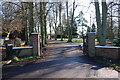
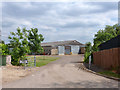
Photos of South-end
Area Information
South-end is a compact built-up area in England, spanning 35.8 hectares. It is home to a population with a median age of 70, suggesting a community that may lean towards older residents. The area’s character is defined by its proximity to essential services, including five retail outlets such as Co-op Sawbridgeworth and Sainsburys Thorley, and five railway stations, including Sawbridgeworth and Harlow Town. This combination of accessibility and local amenities makes South-end a practical choice for those prioritising convenience. With 73% of homes owned by residents, the area reflects a mix of long-term occupancy and stability. While the data does not specify the types of housing, the ownership rate indicates a community where property is often held for the long term. Daily life here is likely shaped by the availability of nearby shops, transport links, and the relatively low crime risk, which contributes to a sense of safety. South-end is not a sprawling suburb but a focused, functional part of the region, offering a balance between urban accessibility and a quieter residential environment.
- Area Type
- Built Up Area 250
- Area Size
- 35.8 hectares
- Population
- Not available
- Population Density
- Not available
Living in South-end offers a blend of convenience and accessibility. Within practical reach are five retail outlets, including Co-op Sawbridgeworth, Morrisons Daily, and Sainsburys Thorley, ensuring everyday shopping needs are met without the need for long journeys. The presence of five railway stations, such as Harlow Mill and Harlow Town, provides easy access to nearby towns and cities, supporting both commuting and leisure travel. While the data does not detail parks or leisure facilities, the proximity to retail and transport suggests a lifestyle focused on practicality and connectivity. The local amenities contribute to a sense of self-sufficiency, allowing residents to manage daily tasks efficiently. For those who value accessible services and transport links, South-end’s offerings align with a functional, community-oriented approach to living.
Amenities
Schools
The nearest schools to South-end include St Elizabeth’s School and St Elizabeth’s Centre, both of which are categorised as special schools. These institutions cater to students with specific educational needs, though the data does not provide Ofsted ratings or performance metrics. The presence of two special schools suggests that families in South-end may have access to tailored educational support, but it also means that mainstream schools are not listed in the data. For parents seeking a range of school options, the absence of information on mainstream schools could be a consideration. Those prioritising special education services may find the local provision adequate, but the data does not indicate the quality or availability of other school types.
| Rank | School | Type | Entry gender | Ages |
|---|---|---|---|---|
| 1 | St Elizabeth's School | special | N/A | N/A |
| 2 | St Elizabeth's Centre | special | N/A | N/A |
Explore more schools in this area
Go to Schools tabDemographics
The population of South-end has a median age of 70, which is notably higher than the national average. This suggests a community where older residents form a significant proportion, though the data does not specify the exact distribution across age ranges. Home ownership stands at 73%, indicating a majority of residents live in properties they own rather than renting. The household composition, accommodation types, and ethnic diversity are not detailed in the data, so no specific claims can be made about these aspects. However, the high home ownership rate may imply a stable, settled population. The absence of detailed demographic breakdowns means that assumptions about diversity or household structures cannot be drawn. For those considering South-end, the age profile and ownership figures offer a snapshot of a community that is older and largely composed of property owners.
Household Size
Accommodation Type
Tenure
Ethnic Group
Religion
Household Composition
Age
Household Deprivation
NS-SEC
Explore more demographic insights in this area
Go to Demographics tabPlanning
Planning Constraints
- Crime RiskPremium