Area Overview for Silver End
Photos of Silver End
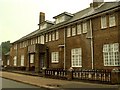

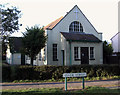
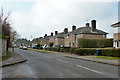
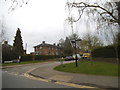
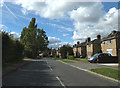
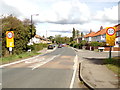
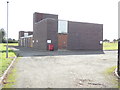

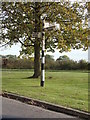
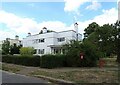
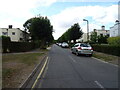
Area Information
Silver End is a compact built-up area spanning 97.8 hectares, nestled in England. It is a mature community, with a median age of 70, suggesting a population that is predominantly older. Despite its size, the area offers a blend of practical amenities and connectivity. Residents benefit from proximity to retail hubs like the East of England Co-operative Co and M&S Braintree, as well as multiple railway stations, including White Notley and Cressing, which link to broader regional networks. The area’s home ownership rate of 72% indicates a stable, long-term resident base. Daily life here is shaped by accessible services and a low crime risk, making it appealing for those prioritising safety and convenience. While not a sprawling city, Silver End’s compact nature ensures that essential amenities are within practical reach, supporting a lifestyle that balances simplicity with accessibility. For those seeking a quieter, established neighbourhood with functional infrastructure, Silver End provides a viable option.
- Area Type
- Built Up Area 250
- Area Size
- 97.8 hectares
- Population
- Not available
- Population Density
- Not available
Living in Silver End offers access to a range of amenities within practical reach. Retail options include the East of England Co-operative Co, Co-op Petrol, and M&S Braintree, providing everyday shopping needs. The area’s rail network, with stations such as White Notley and Cressing, connects residents to broader regional services, while the nearby bus interchange enhances local mobility. Although specific parks or leisure facilities are not detailed in the data, the presence of multiple retail and transport hubs suggests a lifestyle focused on convenience. The compact nature of the area means that essential services are not far from residential zones, reducing the need for long commutes. This setup is ideal for those prioritising ease of access over expansive recreational spaces. The mix of retail and transport options supports a functional, low-stress lifestyle for residents.
Amenities
Schools
Residents of Silver End have access to two educational institutions: Silver End Primary School, which caters to younger children, and Silver End Academy, a secondary school with a good Ofsted rating. The presence of both primary and academy schools provides a seamless educational pathway for families. The good rating at Silver End Academy suggests a school that meets or exceeds national standards in teaching and outcomes. For parents, this combination ensures that children can attend local schools without needing to commute to distant institutions. The proximity of these schools to residential areas reduces travel time and supports a family-friendly environment. The mix of school types also indicates a commitment to maintaining both foundational and advanced education within the community.
| Rank | A + A* % | School | Type | Entry gender | Ages |
|---|---|---|---|---|---|
| 1 | N/A | Silver End Primary School | primary | N/A | N/A |
| 2 | N/A | Silver End Academy | academy | N/A | N/A |
Explore more schools in this area
Go to Schools tabDemographics
The population of Silver End is characterised by a median age of 70, with the most common age range encompassing all demographics. Home ownership is high, at 72%, suggesting a community of long-term residents rather than transient populations. The data does not specify household composition or accommodation types, but the overall figures imply a settled, older demographic. While no detailed breakdown of ethnic or religious diversity is provided, the absence of specific categories may indicate a homogenous population. The area’s low crime risk score of 72 suggests a relatively safe environment, though this does not directly correlate with deprivation levels. For residents, this profile suggests a stable, low-maintenance lifestyle, with fewer pressures associated with younger, more dynamic communities. The demographic makeup of Silver End is thus defined by age and tenure, with a focus on security and continuity.
Household Size
Accommodation Type
Tenure
Ethnic Group
Religion
Household Composition
Age
Household Deprivation
NS-SEC
Explore more demographic insights in this area
Go to Demographics tabPlanning
Planning Constraints
- Crime RiskLocked