Area Overview for Scole
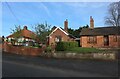
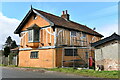
Photos of Scole
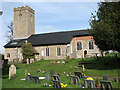
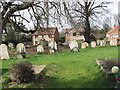
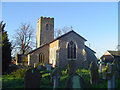
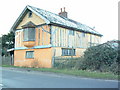
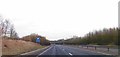
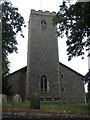
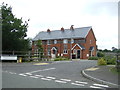
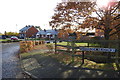
Area Information
Scole is a compact built-up area in England, covering 44.9 hectares. Its population, though not explicitly stated, is reflected in its median age of 70, suggesting a community skewed towards older residents. Living in Scole means navigating a small, tightly knit environment where daily life is shaped by proximity to local amenities. The area’s size makes it practical for walking or cycling, with nearby towns like Diss offering broader services. Scole’s character is defined by its quiet residential nature, with homes primarily owner-occupied. For those seeking a slower pace, this area offers a contrast to busier urban centres. However, its limited size means residents must travel further for specialist services or entertainment. The presence of two primary schools and a nearby railway station at Diss ensures basic needs are met, though the area’s appeal may depend on individual preferences for space and convenience. Scole is not for those seeking a sprawling suburb but suits those prioritising a compact, community-focused lifestyle.
- Area Type
- Built Up Area 250
- Area Size
- 44.9 hectares
- Population
- Not available
- Population Density
- Not available
Scole’s lifestyle is shaped by its proximity to practical amenities. Within reach are five retail outlets, including M&S Scole BP, Tesco Diss, and Morrisons Diss, offering a range of shopping and dining options. The Diss Railway Station provides access to broader regional services, though the area’s compact size means most errands can be completed locally. The lack of detailed information on parks or leisure facilities means the area’s recreational options are not specified, but the presence of retail and transport hubs suggests a focus on convenience over expansive green spaces. For residents, Scole balances basic needs with a quiet, community-oriented environment. The mix of shops and transport links makes it practical for daily life, though those prioritising outdoor activities may need to travel further for parks or leisure centres.
Amenities
Schools
Scole has two primary schools: Scole Church of England Voluntary Controlled Primary School and Scole Church of England Primary Academy. Both are state-funded institutions, though no Ofsted ratings are provided in the data. The presence of two primary schools suggests a focus on local education, with families likely to prioritise proximity to these schools when choosing where to live. The absence of secondary schools in the data means parents may need to look further afield for secondary education, potentially impacting the area’s appeal for growing families. However, the availability of two primary options ensures that younger children can access schooling without long commutes. For those valuing a strong local school network, Scole’s primary schools are a key consideration, though further investigation would be needed to assess their performance.
| Rank | School | Type | Entry gender | Ages |
|---|
Explore more schools in this area
Go to Schools tabDemographics
Scole’s population has a median age of 70, the highest in the dataset, indicating a predominantly older demographic. This suggests a community where retirement is a common stage of life, with implications for local services and social dynamics. Home ownership is high, with 76% of residents owning their homes, reflecting a stable, long-term presence in the area. The data does not specify household composition or ethnic diversity, so these aspects remain unexplored. However, the high home ownership rate implies a low turnover of residents, fostering a sense of continuity. For buyers, this demographic profile may align with those seeking a retirement home or a property in a mature, low-maintenance environment. The lack of detailed diversity metrics means further research would be needed to assess cultural or social variety, but the existing data underscores a community defined by age and stability.
Household Size
Accommodation Type
Tenure
Ethnic Group
Religion
Household Composition
Age
Household Deprivation
NS-SEC
Explore more demographic insights in this area
Go to Demographics tabPlanning
Planning Constraints
- Crime RiskPremium