Area Overview for Rayleigh
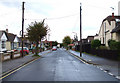
Photos of Rayleigh




Area Information
Rayleigh is a compact built-up area in England, covering 8.2 km² with a population of 7,100 people. Its population density of 870 people per square kilometre reflects a tightly knit community. The area’s demographic profile is distinct, with a median age of 70, indicating a predominantly older population. Daily life here is shaped by proximity to essential services and a strong emphasis on home ownership, with 84% of residents owning their homes. Rayleigh’s character is defined by its practical layout and accessibility, with multiple railway stations, retail hubs, and nearby airports enhancing its connectivity. While the area lacks large-scale urban features, its smaller size fosters a sense of familiarity. For those considering living in Rayleigh, the balance of affordability, safety, and convenience makes it a viable option for retirees or those seeking a quieter, established community. The presence of several primary schools and local amenities ensures daily needs are met without requiring long commutes.
- Area Type
- Built Up Area 250
- Area Size
- 8.2 km²
- Population
- 7100
- Population Density
- 870 people/km²
Rayleigh’s lifestyle is shaped by its accessible amenities, including five retail outlets such as Morrisons Daily, Tesco High, and M&S Rayleigh. These shops provide convenience for daily errands, while the railway stations offer easy access to broader retail and dining options. The area’s proximity to two airports and multiple train stations ensures residents can travel efficiently for business or leisure. Although parks and leisure facilities are not explicitly detailed in the data, the presence of multiple schools and community hubs suggests a focus on family-oriented living. The combination of local shopping, transport links, and nearby airports creates a practical environment for those prioritising convenience over expansive recreational spaces.
Amenities
Schools
Rayleigh is served by several primary schools, including Glebe Primary School, Down Hall Primary School (rated ‘good’ by Ofsted), Glebe Junior School and Unit for Hearing Impaired, Edward Francis Primary School (also rated ‘good’), and Edward Francis Community Infant School. These schools provide a range of educational options, with two receiving positive Ofsted evaluations. The presence of a dedicated unit for hearing-impaired children highlights the area’s commitment to inclusive education. While no secondary schools are listed, the concentration of primary schools suggests a family-friendly environment where parents can access local education without long commutes. The mix of school types ensures flexibility for families with diverse needs, though buyers should verify the proximity of secondary education if planning for older children.
| Rank | School | Type | Entry gender | Ages |
|---|
Explore more schools in this area
Go to Schools tabDemographics
Rayleigh’s population has a median age of 70, the highest in the dataset, suggesting a community skewed towards older residents. This aligns with the 84% home ownership rate, which is significantly higher than the national average, indicating a stable, long-term resident base. The data does not specify household composition or diversity, but the high home ownership figure implies a mix of family homes and retirement properties. With a population density of 870 per km², the area is neither overcrowded nor sparse, offering a moderate living environment. The absence of detailed information on ethnic or religious diversity means broader demographic trends remain unclear. However, the age profile suggests a community where retirement is a prominent life stage, influencing local services and amenities. For prospective buyers, this demographic structure may appeal to those seeking a mature, low-maintenance environment with established infrastructure.