Area Overview for Radwell
Photos of Radwell
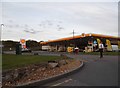

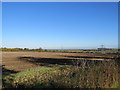
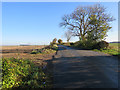
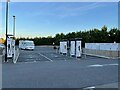
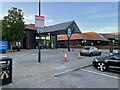
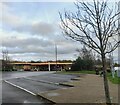
Area Information
Radwell is a small civil parish located in North Bedfordshire, standing just seven miles north-west of Bedford. The parish covers an area of 3.1 km² and sits within a loop of the River Great Ouse near a bridge. You will find the village administered jointly with Felmersham, often appearing together in local records. This historic hamlet dates back to the Domesday Book of 1086, where it originally comprised seven villagers, seven smallholders, and four slaves. The name Radwell itself may derive from 'red spring', grounding the community in a thousand years of English history. Daily life here is defined by its intimate scale and rural setting. A distinctive triangular-shaped village green serves as the social heart of the parish, bordered by historic thatched cottages and the former Swan pub, which now operates as a private dwelling. Living in Radwell means enjoying a quiet existence away from the hustle of larger urban centres, yet remaining within easy reach of Bedford. The location near the River Great Ouse offers scenic views and access to waterways, providing a peaceful backdrop for residents who prefer a slower pace of life. You are buying into a place where history is tangible, from ancient boundary lines to centuries-old architecture.
- Area Type
- Parish
- Area Size
- 3.1 km²
- Population
- Not available
- Population Density
- Not available
Demographics
The community profile of Radwell reflects a mature, stable population centred on retirement and long-term residency. The median age of 70 indicates that the demographic dominance is within the older age brackets, suggesting few young families reside here. Most common age statistics align with this trajectory, pointing towards a locality where residents have settled for life rather than renting temporarily. You are looking at a neighbourhood where stability is the norm, with a strong preference for building roots rather than transiting through. Home ownership stands at a significant 73%, confirming that the vast majority of households rent their properties by purchase. This high level of tenure suggests financial stability among residents who have likely invested significantly in their local environment. The accommodation types mirror this ownership model, with family homes and cottages predominating over shared private rentals. While specific ethnicity and religious breakdown data are not detailed in current records, the overall demographic composition remains representative of traditional rural England. There is no indication of large-scale migration or transient populations disrupting the established character of the hamlet. You can expect a consistent community feel where neighbours know one another and generations have occupied the same streets for decades.
Household Size
Accommodation Type
Tenure
Ethnic Group
Religion
Household Composition
Age
Household Deprivation
NS-SEC
Explore more demographic insights in this area
Go to Demographics tabPlanning
Planning Constraints
- Flood RiskPremium
- Ramsar Wetland SitesPremium
- Area of Outstanding Natural BeautyPremium
- Protected Nature ReservePremium
- Protected WoodlandPremium
- Crime RiskPremium