Area Overview for Pulloxhill
Photos of Pulloxhill
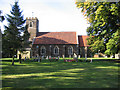
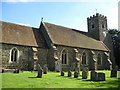
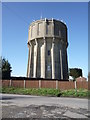
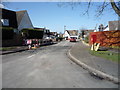


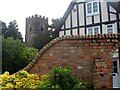
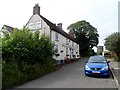
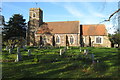
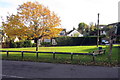
Area Information
Pulloxhill is a compact built-up area in England, spanning 28.3 hectares. It is a small, well-defined community with a population skewed toward older residents, with a median age of 70. This suggests a mature demographic, likely with long-standing ties to the area. Living in Pulloxhill means accessing a mix of local amenities within practical reach, including retail outlets and rail connections. The area’s size and demographics create a quiet, low-density environment, ideal for those seeking a settled lifestyle. While it lacks the vibrancy of larger towns, it offers convenience for daily needs and proximity to nearby towns via rail links. For buyers, Pulloxhill presents a chance to own property in a stable, low-crime area with a distinct character. The community’s age profile hints at a population that may be retired or semi-retired, contributing to a relaxed pace of life. Homes in Pulloxhill are predominantly owner-occupied, reflecting a sense of permanence. The area’s charm lies in its simplicity, making it suitable for those prioritising safety, affordability, and proximity to essential services.
- Area Type
- Built Up Area 250
- Area Size
- 28.3 hectares
- Population
- Not available
- Population Density
- Not available
Residents of Pulloxhill have access to a range of nearby amenities, including five retail outlets such as Co-op Silsoe, Budgens Flitwick, and Co-op Flitwick. These shops provide essential groceries and daily necessities, supporting a self-contained lifestyle within the area. The presence of multiple rail stations—Flitwick, Harlington, and Millbrook—adds convenience for travel, whether for commuting, shopping, or leisure. While the data does not mention parks or leisure facilities, the retail and transport options suggest a community focused on practicality over extensive recreational spaces. The compact nature of Pulloxhill means amenities are within walking or short driving distance, enhancing convenience. For those prioritising ease of access to shops and transport, the area offers a straightforward, no-frills lifestyle. The mix of retail and rail connectivity ensures residents can meet daily needs without significant travel, reinforcing the area’s appeal for those valuing simplicity and accessibility.
Amenities
Schools
Pulloxhill Lower School is the primary educational institution in the area, offering both primary and academy-style education. The presence of two entries for the same school name may indicate a dual role or phased expansion, though specific details on Ofsted ratings or curriculum are not provided. Families with children will find this school as the primary option, though its performance is not quantified in the data. The absence of other schools nearby means Pulloxhill’s education provision is limited to this single institution. For parents, this could be a factor in deciding whether the area meets their children’s needs, particularly if they require multiple school choices. The school’s type—combining primary and academy status—may offer a blend of traditional and specialised education, but without further data, its effectiveness remains unassessed.
| Rank | School | Type | Entry gender | Ages |
|---|
Explore more schools in this area
Go to Schools tabDemographics
Pulloxhill’s population is predominantly older, with a median age of 70, indicating a community largely composed of retirees or individuals in later life stages. Home ownership is high, with 85% of residents owning their homes, suggesting a stable, long-term demographic. The area’s household composition and accommodation types are not specified in detail, but the overall data implies a mix of family homes and single-occupancy properties. The lack of specific diversity metrics means the ethnic and religious composition remains unquantified, though the data notes a “total” category for these factors, which may indicate a homogenous population. Deprivation data is not provided, but the low crime risk and high home ownership suggest a relatively affluent or stable community. For buyers, this means a neighbourhood with minimal turnover and a focus on long-term residency. The age profile also means schools and amenities may cater more to older residents than to growing families.
Household Size
Accommodation Type
Tenure
Ethnic Group
Religion
Household Composition
Age
Household Deprivation
NS-SEC
Explore more demographic insights in this area
Go to Demographics tabPlanning
Planning Constraints
- Crime RiskPremium