Area Overview for Park Street Ward

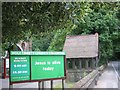
Holy Trinity Church Frogmore in Park Street Ward
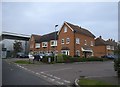
Centaurus Square, Frogmore in Park Street Ward
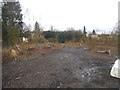
Muddy area between Frogmore Lakes in Park Street Ward
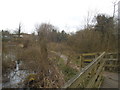
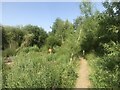
Paths by Frogmore Lakes in Park Street Ward
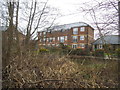
Flats on Minister Court across the River Ver in Park Street Ward
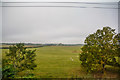
St Albans City and District : Grassy Field in Park Street Ward
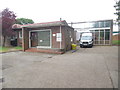
Park Street Telephone Exchange in Park Street Ward
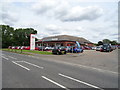
Car dealership, Frogmore in Park Street Ward
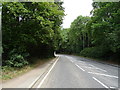
Radlett Road (A5183), Frogmore in Park Street Ward
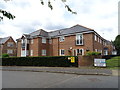
Minster Court, Frogmore in Park Street Ward
Path around Island Pit in Park Street Ward
Flat land near Frogmore in Park Street Ward
33 photos from this area

Area Information

Living in Park Street Ward offers a quiet suburban experience located in Hertfordshire, just over two miles from St Albans city centre. This area covers 12.4 km² and sits within the St Albans City and District Council region. The ward functions as a small village with a distinct suburban feel, positioned on the southern outskirts of the city. A green buffer separates the settlement from St Albans, while the Metropolitan Green Belt encircles it. The main artery, Watling Street, runs through the heart of the village as Pen Road and the A5183, serving as a historic trunk route dating back to Saxon and Norman times. You will find a contemporary community where residents are predominantly employed in nearby urban centres rather than within the village itself. Local amenities include a petrol station, automotive services, and two public houses. The economy relies heavily on the proximity to major business hubs, with a substantial business centre and light industrial estate located in the adjacent area of Frogmore. To the south-east, the disused Handley Page aerodrome marks the boundary of this historic landscape. The village maintains a low-density character despite being accessible to London and other cities via key road links like the A405 and the North Orbital. This blend of rural charm and commuter convenience defines daily life in Park Street Ward.

Area Type
District Borough Unitary Ward
Area Size
12.4 km²
Population
Not available
Population Density
Not available

Demographics

The community profile of Park Street Ward reflects a mature and established population. The median age is 70, confirming that the area is heavily dominated by older residents. This demographic skew aligns with the high rate of home ownership, which stands at 75%. Three-quarters of households within this 12.4 km² ward own their homes outright or with a mortgage, indicating significant stability compared to typical commuter villages. Household composition data confirms the predominance of established families or single-occupancy households typical of retirement communities. The population statistics show that the total age range forms the core of the demographic, with no specific younger working-age clusters highlighted in the available figures. This age profile suggests a slower pace of life where residents have likely lived in their properties for decades. The high ownership rate means you are more likely to find settled families than transient renters. With a majority of the population aged towards or past retirement, the local culture centres around stability and long-term residency. The absence of significant data on ethnic diversity or religious composition does not change the fundamental picture of an elderly, homeownership-heavy district. You will encounter a homogeneous group of people who have invested deeply in their local environment.

Household Size

total
most common

Accommodation Type

total
most common

Tenure

75
majority

Ethnic Group

total
most common

Religion

total
most common

Household Composition

total
most common

Age

70
median
Age: Total
most common

Household Deprivation

N/A
with no deprivation

NS-SEC

43
in Lower managerial occupations

Explore more demographic insights in this area

Go to Demographics tab

Planning

Planning Constraints

  • Flood Risk
    Premium
  • Ramsar Wetland Sites
    Premium
  • Area of Outstanding Natural Beauty
    Premium
  • Protected Nature Reserve
    Premium
  • Protected Woodland
    Premium
  • Crime Risk
    Premium

Explore more planning insights in this area

Open Planning map

Frequently Asked Questions

What does living in Park Street Ward actually feel like?
Living in Park Street Ward feels like a small village with a suburban character, situated just two miles from St Albans city centre. You will find a green buffer separates you from the main city, and the Metropolitan Green Belt surrounds the area. The median age is 70, and 75% of residents own their homes, creating a stable, older community. Daily life involves commuting from nearby cities while enjoying access to local services like two public houses and a petrol station. The area retains its historic charm through the Roman road of Watling Street that runs through it.
Who typically lives in this ward and what kind of homes are available?
The population is predominantly older adults with a median age of 70. With a home ownership rate of 75%, the housing stock consists mainly of owner-occupied properties rather than rentals. The ward covers 12.4 km² and includes a mix of suburban homes and rural properties near protected woodland. Employment opportunities in the village itself are limited, so most residents work in the cities nearby, particularly in the business centres near Frogmore. You are unlikely to find young families or transient academics living here.
How good is the transport and internet connectivity for working from home?
Digital connectivity is excellent in Park Street Ward, with a broadband quality score of 95 out of 100. This high score ensures reliable internet speeds for video calls and large file transfers. Physically, you have three main road links meeting at the Park Street Roundabout, including the A405 and the former M10 route. The penultimate station on the Abbey Line, opened in 1858, provides easy access to Watford Junction. These connections make the area viable for remote workers who need both high-speed internet and occasional travel to city centres.
Is it safe to live here regarding crime and environmental risks?
The area passes assessments for flood risk, Ramsar sites, and Areas of Outstanding Natural Beauty, indicating a generally safe environment for those not prone to flooding. However, the crime risk assessment shows a warning level with a score of 59, meaning crime rates are around the regional average. You should use standard security precautions such as locking doors and securing vehicles. The only significant planning constraint is the presence of protected woodland. Overall, the environmental risks are low, but you must accept the moderate crime risk found in many British commuter villages.

We use cookies to provide you with the best experience. By continuing, you agree to our Cookie Policy .