Area Overview for Old Weston
Photos of Old Weston
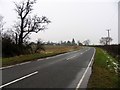
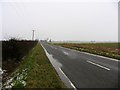
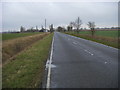
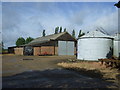
Area Information
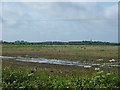
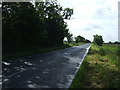
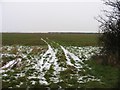
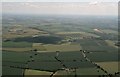
Old Weston is a civil parish covering an area of 8.3 square kilometres in England. This location appeals to those seeking a settled rural environment rather than urban convenience. You will find a community where residents value local stability over high-speed development. The small footprint of the parish means streets are close together, creating a sense of intimacy that larger towns cannot match. Daily life here revolves around local necessities rather than long commutes to city centres. Prospective homebuyers should note that this parish is defined by its low population density. The landscape is open, offering significant space between residential clusters. This setting suits individuals who prioritise quiet over proximity to major infrastructure. Living in Old Weston means accepting limited public transport options in exchange for a tranquil atmosphere. The area does not host major commercial hubs, so all shopping and leisure activities require travel to neighbouring settlements. The identity of Old Weston stems from its agricultural background and modest scale. There are no large industrial zones or dense commercial strips within the parish boundaries. Homes here exist in harmony with the wider countryside rather than dominating it. This separation from urban centres defines the character of the locality. You can expect a pace of life dictated by the seasons rather than the construction of new shopping malls.
- Area Type
- Parish
- Area Size
- 8.3 km²
- Population
- Not available
- Population Density
- Not available
Demographics
The community in Old Weston presents a distinctly older profile compared to the national average. The median age for residents sits at 70 years. This figure reflects a population skewed heavily towards mature adults and retirees. Age distribution data confirms that older age groups form the backbone of the local society. Most residents fall into the total age bracket, indicating a broad range of elderly independents and couples. Home ownership stands at 82 per cent within the parish. This high percentage suggests that mortgages are less common and equity is more prevalent among borrowers. You are significantly more likely to purchase a home than to rent one here. Such a pattern typically develops in rural areas where individuals remain in their properties until retirement. Families often downsize rather than move to expensive urban rentals when children leave home. The household composition reflects this demographic shift. Many households consist of single adults or couples without dependent children. Accommodation types generally align with these needs, favouring detached or semi-detached properties rather than shared flats. While specific data on ethnicity and religion is not detailed in available records, the age profile suggests a traditional community structure. Low crime risk supports this social stability.
Household Size
Accommodation Type
Tenure
Ethnic Group
Religion
Household Composition
Age
Household Deprivation
NS-SEC
Explore more demographic insights in this area
Go to Demographics tabPlanning
Planning Constraints
- Flood RiskPremium
- Ramsar Wetland SitesPremium
- Area of Outstanding Natural BeautyPremium
- Protected Nature ReservePremium
- Protected WoodlandPremium
- Crime RiskPremium