Area Overview for NR29 4DS
Photos of NR29 4DS
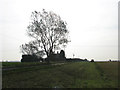
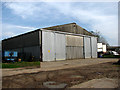
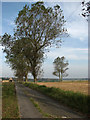
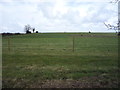
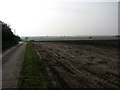
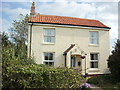
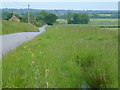
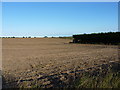
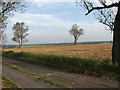
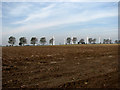

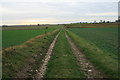
Area Information
Living in NR29 4DS means occupying a specific residential cluster defined by a distinct postcode boundary. This area spans 15.3 hectares and contains a population of 1,412 residents. The low population density of 103 people per square kilometre suggests a spread-out environment where houses are likely set apart from one another. This setting suits buyers who prefer a less intensive neighbourhood compared to denser urban zones. The community is rooted in a traditional market town character, typical of the NR29 postcode region in Norfolk. Daily life here revolves around local streets rather than high-rise blocks or crowded communal spaces. You can expect a quiet atmosphere where individual privacy is a priority for the majority of households. The area functions as a self-contained ward within the larger Great Yarmouth district, offering a slice of suburban calm. For those seeking a home in this cluster, the physical footprint of the area provides enough space for established gardens and limited traffic congestion. This postcode covers a small but complete living environment that balances residential space with access to nearby town centres. Understanding the scale of NR29 4DS helps you visualise the commute distances and the size of your potential garden.
- Area Type
- Postcode
- Area Size
- 15.3 hectares
- Population
- 1412
- Population Density
- 103 people/km²
You will encounter a market focused almost entirely on houses, as this is the predominant accommodation type throughout NR29 4DS. With 77% of households reporting owner occupancy, the area is designed for people with the financial means to purchase their home rather than rent. This high ownership rate limits the availability of properties on the private rental market, making it a solid choice for first-time buyers or those looking to move up the property ladder. The low population density and specific cluster nature of the postcode suggest that inventory may be limited, requiring buyers to search across the immediate wider area to find suitable matches. Since the area consists of houses, buyers should expect brick-built homes, potentially with gardens, rather than the maintenance-heavy estates often associated with apartment living. The 28% of resident who do not own their homes likely comprise a small minority of shared owners, traditional tenants, or people living with friends and family. For investors, the low rental share suggests this is not a high-yield letting zone. Instead, resale is the primary driver for the real estate in NR29 4DS. Existing owners are more likely to maintain their properties well, which can affect the overall condition and market value of homes in this cluster.
House Prices in NR29 4DS
Showing 3 properties
| Address | Type | Beds | Baths | Last Sale Price | Last Sale Date | |
|---|---|---|---|---|---|---|
| 6 Collis Lane, East Somerton, Somerton, NR29 4DS | Semi-detached | - | - | £184,000 | Jun 2005 | |
| 5 Collis Lane, East Somerton, Somerton, NR29 4DS | Semi-detached | 3 | - | - | - | |
| Lynwood Barn, 4 Collis Lane, East Somerton, Somerton, NR29 4DS | Bungalow | - | - | - | - |
Energy Efficiency in NR29 4DS
Daily life in NR29 4DS is centred around immediate practical amenities rather than繁华 town centres or leisure hubs. Within practical reach, the area hosts five retail outlets, primarily Co-op stores including Co-op Kings and East of England Co-operative Co. These supermarkets provide the essential groceries and household items you need for weekly shopping without leaving the community. There are no cinema complexes, gyms, or large leisure parks listed in the immediate vicinity of the postcode, so entertainment options rely heavily on what you can access in the neighbourhood. Residents likely plan their social activities around the local primary schools, which often host community events for families in NR29 4DS. The residential nature of the area means afternoon walks are confined to local streets rather than scenic parks or riversides. For dining out or shopping for specialist goods, you would typically travel to Great Yarmouth. This limitation applies to all non-essential retail, forcing residents to prioritise planning for visits outside the immediate cluster. The convenience of having a Co-op nearby offsets the lack of variety in other lifestyle categories.
Amenities
Schools
Families living in NR29 4DS have access to two primary education options, both situated within the local vicinity. Winterton Primary School serves as the main educational facility for younger children in the area. The school holds a Satisfactory rating from Ofsted, indicating it meets the required standards for primary education. Additionally, Winterton Primary School and Nursery offers a combined setting for early years and primary education under a single Ofsted-rated framework. Because there are no secondary schools listed in the immediate data for this specific postcode, parents may need to look further afield at Great Yarmouth for older children. These primary options are rooted in the small town of Winterton, which borders the NR29 4DS cluster, providing a more intimate school environment than a large comprehensive institution. The presence of a nursery alongside the primary school suggests support for very young children, including those in reception or playing age. Parents considering moving into this area will find the primary education continuum locally managed, though they must plan ahead for secondary placement. The Satisfactory rating reflects a consistent standard, though ambitious families might review curriculum specifics for their children's needs.
| Rank | School | Type | Entry gender | Ages |
|---|
Explore more schools in this area
Go to Schools tabDemographics
The community within NR29 4DS is dominated by adults aged between 30 and 64 years, with a median age of 47. This age profile indicates a settled population where families may have moved away from student housing markets into longer-term residences. The home ownership rate stands at 77%, which is significantly higher than the national average and reflects a area where residents have built equity over time. Such a high proportion of owners often correlates with stable neighbourhoods where people invest in their properties. The predominant accommodation type consists of houses, meaning you will find detached or semi-detached properties rather than flats or purpose-built apartment blocks. This housing style supports the demographic skew towards married couples or families with children who require larger living spaces. The ethnic composition is predominantly White, aligning with the broader demographic patterns of rural and semi-rural Norfolk. There are no indications of a transient population, suggesting most residents engage deeply with local community groups and schools. This stability creates a predictable social environment where long-term neighbours know each other well. The data confirms that this is an area where people tend to stay rather than cycle through temporary rentals.
Household Size
Accommodation Type
Tenure
Ethnic Group
Religion
Household Composition
Age
Household Deprivation
NS-SEC
Explore more demographic insights in this area
Go to Demographics tabPlanning
Planning Constraints
- Flood RiskPremium
- Ramsar Wetland SitesPremium
- Area of Outstanding Natural BeautyPremium
- Protected Nature ReservePremium
- Protected WoodlandPremium