Area Overview for NR21 7HT
Photos of NR21 7HT
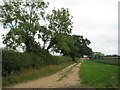
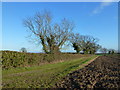
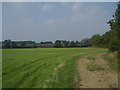
Area Information
Living in NR21 7HT means residing within a small residential cluster defined by postcode NR21 7HT in England. The area spans just 1.7 km², creating a tight-knit environment where local knowledge runs deep. With a population of 2,143, this neighbourhood avoids the anonymity often found in larger settlements, ensuring residents know their neighbours and local shops. The setting reflects a deliberate choice for smaller living spaces rather than sprawling urban density. You will find the majority of the community concentrated in housing, giving the place a distinct identity separate from nearby commercial hubs. Daily life here centres on practicality and community familiarity. The low population density of 37 people per km² ensures a peaceful atmosphere without sacrificing access to essential services located slightly further away. This postcode covers a specific slice of the wider region where life moves at a measured pace. Prospective buyers looking for a settled environment will find that the scale of NR21 7HT makes it easy to maintain an active role in your local community. The area does not boast vast green spaces within its immediate boundaries, but its compact nature simplifies travel to surrounding towns. Families and individuals who value a quiet, understated lifestyle will recognise this pattern across the streets. The residential focus defines the character of NR21 7HT, offering a stable backdrop for those prioritising peace over proximity to the city centre.
- Area Type
- Postcode
- Area Size
- 1.7 km²
- Population
- 2143
- Population Density
- 37 people/km²
The property market in NR21 7HT reflects a predominantly owner-occupied sector with a specific emphasis on detached and semi-detached housing. With a home ownership rate of 72%, the area functions less as a rental playground and more as a community of settled residents. The accommodation type is overwhelmingly houses, meaning you will encounter a streetscape of residential property rather than blocks of apartments or student flats. This composition suggests a market looking towards long-term value retention rather than quick flips for speculative gain. Buyers considering NR21 7HT should understand that the neighbourhood caters to those seeking traditional family housing. The low density of 37 people per km² correlates with larger plot sizes and private gardens, typical of the houses found here. Landlords may find rental yields lower due to the scarcity of buy-to-let properties, but homeowners benefit from stable local rates. The nature of the housing stock means maintenance costs will align with standard house ownership, avoiding the service charges often tied to flats. If you are looking for a property to raise a family in or to retire in, the house-dominated market of NR21 7HT fits your requirements perfectly. The absence of high-rise blocks ensures that noise pollution remains minimal throughout the year.
House Prices in NR21 7HT
Showing 5 properties
| Address | Type | Beds | Baths | Last Sale Price | Last Sale Date | |
|---|---|---|---|---|---|---|
| Pattesley Cottage, Fakenham Road, Colkirk, NR21 7HT | Semi-detached | - | - | £80,000 | Jul 1996 | |
| Pattesley Farm Cottage, Fakenham Road, Colkirk, NR21 7HT | Detached | - | - | - | - | |
| Pattesley House, Fakenham Road, Colkirk, NR21 7HT | Detached | 8 | - | - | - | |
| 4 Fakenham Road, Colkirk, NR21 7HT | Semi-detached | - | - | - | - | |
| Pattesley Farm, Fakenham Road, Colkirk, NR21 7HT | Semi-detached | - | - | - | - |
Energy Efficiency in NR21 7HT
Amenities
Schools
Several primary schools serve the children living within and around NR21 7HT. Weasenham Church of England Primary School sits close to the area, offering a faith-based education option. Nearby, Colkirk Church of England Primary School provides another choice, with an Ofsted rating of good that parents will notice on admission transcripts. Whissonsett Primary School is also part of the catchment proximity, serving families in the wider rural corridor. For those seeking a state-funded faith school, Colkirk Church of England Voluntary Aided Primary School is available, maintaining the same community ethos as its larger counterpart. Weasenham Church of England Primary Academy represents a voluntary aided variant of the Weasenham provision, ensuring continuity in educational philosophy across the village edges. You will find that secondary education is not immediately within the immediate postcode but accessible through local catchments. The mix of Church of England schools and academies indicates a traditional approach to governance and curriculum delivery. Families choosing schools near NR21 7HT must look across the nearest boundaries, as no secondary institutions are listed within the immediate data set. The presence of multiple primary options, including academies with good ratings, gives families flexibility when selecting a school for their children. All listed institutions focus on primary education, meaning older children will need to transfer to facilities further away. This setup is typical for rural postcodes where primary clusters exist near the habitation but higher education lies in the next town.
| Rank | School | Type | Entry gender | Ages |
|---|
Explore more schools in this area
Go to Schools tabDemographics
The community in NR21 7HT displays a clear demographic profile with a median age of 47 years. Adults between 30 and 64 years represent the most common age range, indicating a population established long-term in their homes. This age distribution suggests families with grown children or empty nesters rather than young professionals just entering the housing market. Home ownership stands at 72%, a figure that significantly exceeds national averages for many comparable locations. Such a high rate implies that long-term residents own their properties outright or have substantial equity rather than renting. Accommodation type in this postcode consists primarily of houses, reinforcing the family-oriented nature of the neighbourhood. The predominant ethnic group is White, which aligns with the broader regional patterns in parts of Norfolk. You will not find a highly diverse mix of cultures in the immediate vicinity as seen in London or Manchester. The stability of the population is evident in the home ownership statistics, where three out of four residents call this place their permanent home. This demographic stability creates a quiet atmosphere where tradition matters more than trend. The lack of transient students or short-term tenants contributes to lower noise levels and a more predictable daily routine. Understanding these figures helps you realise that NR21 7HT is designed for settlement rather than turnover.
Household Size
Accommodation Type
Tenure
Ethnic Group
Religion
Household Composition
Age
Household Deprivation
NS-SEC
Explore more demographic insights in this area
Go to Demographics tabPlanning
Planning Constraints
- Flood RiskPremium
- Ramsar Wetland SitesPremium
- Area of Outstanding Natural BeautyPremium
- Protected WoodlandPremium