Area Overview for NR20 4RD
Photos of NR20 4RD
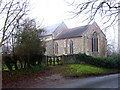
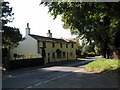
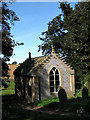
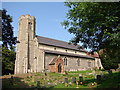
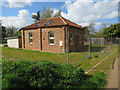
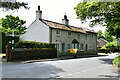
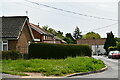
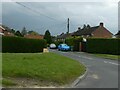
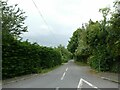
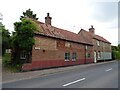
Area Information
Living in NR20 4RD offers a distinctly quiet existence within a specific residential cluster in England. This postcode covers an area of 10.4 hectares, meaning space is carefully managed for the 2,291 residents who call it home. You are entering a compact community where neighbours remain close, yet the low population density of 85 people per square kilometre ensures that noise levels stay manageable. The setting is defined by its boundaries rather than sprawling development, creating a contained neighbourhood feel. For those considering homes in this postcode, the sheer size of the area contributes to a sense of exclusivity without the isolation of remote rural living. Daily life here revolves around a stable, finite community rather than the fluctuating crowds found in larger districts. You will find that the layout supports a slower pace, ideal for families or individuals seeking a retreat from city stress. The area acts as a self-contained unit within the wider municipal structure, offering a predictable environment for property searchers. When you footstep into NR20 4RD, you enter a defined space where the character of the local street networks is established. The small footprint means amenities are required to be within short distances, shaping a lifestyle dependent on local access. This postcode remains a consistent choice for those who prioritising a known, manageable community scale. The population figures confirm that this is a mature settlement where growth is measured in slight increments rather than rapid expansion. You can expect a steady environment where neighbourhood changes happen gradually over years.
- Area Type
- Postcode
- Area Size
- 10.4 hectares
- Population
- 2291
- Population Density
- 85 people/km²
The property market in NR20 20 4RD is characterised by a static yet stable housing stock dominated by private ownership. Nearly 69% of households here are owned outright or have a mortgage, indicating that this is principally an owner-occupied area. This high figure of owner-occupation typically signals that properties change hands less frequently than in rental-heavy zones. You will find that the available homes in this cluster are primarily houses, which suits the preference of the local demographic for traditional family living rather than urban apartments. The small footprint of 10.4 hectares limits the number of available listings, meaning competition for specific properties may intensify when they become vacant. Buyers looking at homes in this postcode might face fewer choices compared to larger districts, requiring more targeted viewing strategies. The accommodation type being exclusively houses suggests a layout that values gardens and private outdoor space over shared corridors or elevators. For investors, the heavy reliance on owner-occupiers might imply lower rental yields due to reduced turnover, though price stability could offer long-term value. The market here does not fluctuate wildly with London trends because the demand pool is so tightly defined by local families. When you consider purchasing a property in NR20 4RD, you are joining a group of residents who value asset ownership. This creates a community where property values are more likely to retreat or hold steady than experience speculative spikes. The nature of the housing means that any renovation or extension takes place within established domestic parameters.
House Prices in NR20 4RD
Showing 24 properties
| Address | Type | Beds | Baths | Last Sale Price | Last Sale Date | |
|---|---|---|---|---|---|---|
| Ramlin Cottage, The Street, Billingford, NR20 4RD | house | 1 | 1 | £160,000 | Jul 2023 | |
| Corner Cottage, The Street, Billingford, NR20 4RD | Detached | 3 | 1 | £330,000 | Aug 2019 | |
| The Old Bakery, 1 The Street, Billingford, NR20 4RD | house | 2 | 1 | £163,000 | Jan 2019 | |
| Trinity Cottage, The Street, Billingford, NR20 4RD | Detached | 4 | 1 | £205,000 | Jul 2018 | |
| Ypres House, The Street, Billingford, NR20 4RD | Semi-detached | 4 | 2 | £245,000 | May 2017 | |
| Lakones, The Street, Billingford, NR20 4RD | Detached | 3 | - | £220,000 | May 2016 | |
| The Gardens, The Street, Billingford, NR20 4RD | house | - | - | £300,000 | Jul 2013 | |
| 4 The Street, Billingford, NR20 4RD | Detached | 5 | 4 | £242,500 | Oct 2011 | |
| Garden Cottage, The Street, Billingford, NR20 4RD | Semi-detached | - | - | £152,495 | Sep 2006 | |
| Sunnyside, The Street, Billingford, NR20 4RD | Detached | - | - | £127,500 | Mar 2006 |
Energy Efficiency in NR20 4RD
Lifestyle in NR20 4RD centres on practical local convenience rather than urban entertainment districts. Within practical reach of residents are five key retail locations, including Morrisons Daily, Co-op East, and Iceland East. These specific venues ensure that your daily shopping needs for groceries and essentials are met without long journeys into larger towns. You can resolve most weekly food and household requirements by walking or driving a short distance to these shops. The presence of these named retailers contributes to a functional neighbourhood where resources are accessible on foot or a brief drive. A single metro station in Dereham offers public transport options, connecting the local cluster to the wider rail network. While this link exists, it acts as the primary artery for longer distance travel rather than local mobility. Daily life revolves around the rhythm of visiting these five retail points for provisions. The small area size means you do not need to travel far for basic necessities, saving time on commuting to town. The character of the lifestyle is defined by self-sufficiency supported by immediate local access. There are no listed leisure complexes or cultural venues in the immediate vicinity, so culture is sought elsewhere. Dining out requires a trip beyond the specific residential bounds, making lunch breaks a planned activity rather than a spontaneous affair. This setup suits those who value a home-centred existence with quick returns to private quarters. The amenities listed are strictly functional, supporting a life focused on stability and essential tasks.
Amenities
Schools
| Rank | School | Type | Entry gender | Ages |
|---|
Explore more schools in this area
Go to Schools tabDemographics
The community in NR20 4RD reflects a mature demographic profile suited to those seeking stability. The median age stands at 47 years, confirming that adults aged between 30 and 64 years make up the most common age range. This indicates a population comprised primarily of working-age individuals and those approaching retirement, rather than a hub for young professionals or families with toddlers. Home ownership levels are high at 69%, suggesting that the majority of households in this postcode have secured property purchase rather than renting. Accommodation types consist overwhelmingly of houses, aligning with the needs of long-term residents who value space and permanence over the flexibility of rental flats. The predominant ethnic group is White, mirroring the broader demographic trends of much of rural England. For you as a potential buyer, this means the social fabric is likely well-established with strong intergenerational ties. The lack of significant student populations or transient workers suggests a peaceful domestic atmosphere. You will encounter residents who have likely lived in the same homes for decades. The higher proportion of homeowners often correlates with greater investment in local improvements and maintenance. This demographic stability translates into predictable neighbourly relations and consistent local governance. Children in the area benefit from a community where parents have deep roots, fostering a supportive environment for schooling. The age distribution ensures that the local services cater to a broad range of adult needs rather than a specific niche market.
Household Size
Accommodation Type
Tenure
Ethnic Group
Religion
Household Composition
Age
Household Deprivation
NS-SEC
Explore more demographic insights in this area
Go to Demographics tabPlanning
Planning Constraints
- Flood RiskPremium
- Ramsar Wetland SitesPremium
- Area of Outstanding Natural BeautyPremium
- Protected Nature ReservePremium
- Protected WoodlandPremium