Area Overview for NR1 2JB
Photos of NR1 2JB
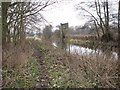
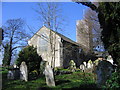
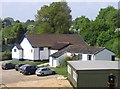
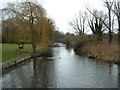
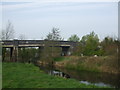
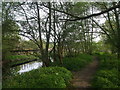
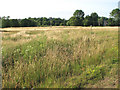
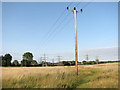
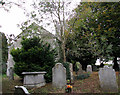
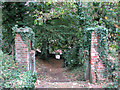
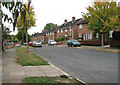
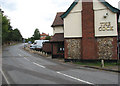
Area Information
Living in NR1 2JB offers a quiet residential experience within a specific cluster just south of Norwich. This postcode covers a small population of 1,591 residents, creating a tight-knit community feel. Unlike the wider urban sprawl, this area functions as a peaceful suburban enclave where daily life unfolds at a more deliberate pace. The scale of the area means neighbours know one another, yet the setting retains enough space to avoid overcrowding. Here, residents enjoy the balance of a settled neighbourhood without the intensity of a high-density city centre. The environment is strictly free from planning constraints, meaning there are no protected nature reserves, woodlands, or Areas of Outstanding Natural Beauty dictating development. This simplifies the property landscape, allowing the housing stock to remain the primary focus. Safety from flooding is assured with a low-risk profile, removing one common anxiety for prospective buyers. Days here consist of standard middle-class living, characterised by access to nearby rail links and local shops. You can expect a straightforward existence suited to those who value stability over urban excitement. The area serves a clear purpose: providing homes for adults and families in a safe, uncomplicated setting.
- Area Type
- Postcode
- Area Size
- Not available
- Population
- 1591
- Population Density
- 2443 people/km²
The housing market in NR1 2JB is characterised by a clear preference for detached or semi-detached houses over flats. This accommodation type predominates the area, catering to families and individuals seeking private outdoor space. The housing stock is primarily owner-occupied, with 48% of residents holding the title deeds to their homes. This high rate of ownership creates a stable market where long-term tenants and investors are less common than in major city centres. Buyers should expect to find properties that have been lived in by generations, rather than modern developments built for quick rental turnover. Because the area is a small residential cluster, the total number of available homes is naturally limited. You are looking at a niche purchase rather than a top-flight auction in a competitive bidding war. The combination of house ownership and house-based accommodation typically results in higher property prices per square metre compared to rental-heavy zones. However, the lower density reduces the pressure that often drives prices up rapidly. For those seeking a house with a garden and a front door leading directly to private land, this area fits the bill. The 48% ownership statistic also suggests that selling your home later may be straightforward, as the majority of the market consists of owners rather than speculators.
House Prices in NR1 2JB
No properties found in this postcode.
Energy Efficiency in NR1 2JB
Daily life in NR1 2JB benefits from a compact arrangement of retail and transport amenities. Five key retail outlets are situated within easy reach, providing essential shopping needs without the need to travel long distances. You can visit East of England Co-operative Co for fresh groceries or Aldi South for superstore shopping. Iceland Norwich offers another nearby base for domestic supplies. This variety ensures that queueing times for necessities are minimal. Transport access complements this retail convenience. You can reach Norwich Railway Station, Brundall Gardens Railway Station, or Salhouse Railway Station with minimal disruption. These rail hubs allow commuters to reach the wider East of England region efficiently. Norwich International Airport stands as the nearest aviation facility, offering flights for those travelling further afield. The concentration of these amenities within a small radii creates a self-sufficient environment. Residents do not need to drive far for their weekly shop or their monthly train ticket.
Amenities
Schools
Education is a central pillar of life for families in NR1 2JB, with several well-regarded institutions within easy reach. Cavell Primary and Nursery School operates as a standard primary school for younger children. Nearby, The Hewett School provides primary education, continuing the tradition of local schooling. For secondary and academy education, residents have access to Edith Cavell Academy and Nursery, which holds a Good Ofsted rating. Hewett Academy also boasts a Good Ofsted rating, confirming its status as a reliable educational provider. This mix ensures that children do not travel far for their daily lessons. The presence of two academies with Good ratings indicates a strong institutional framework for secondary education. Special education needs are catered to by The Wherry School, a specialist provision ensuring inclusive learning options. Having multiple primary schools and two highly rated academies nearby means families can choose based on specific educational philosophies or travel convenience. The proximity of these schools to NR1 2JB is efficient, reducing commute time for parents and increasing time available for family life. When selecting a home in this postcode, you can be confident that reputable schooling is a permanent feature of the neighbourhood.
| Rank | School | Type | Entry gender | Ages |
|---|
Explore more schools in this area
Go to Schools tabDemographics
The community in NR1 2JB is defined by a mature demographic profile. With a median age of 47 years, the population skews significantly older than the national average. Most residents fall into the adult bracket between the ages of 30 and 64, indicating a neighbourhood favoured by families and established households rather than students or young professionals. Home ownership stands at 48%, suggesting nearly half of the residents own their properties outright, while the other half rents. This split often results in a stable housing market with lower turnover rates. Houses dominate the accommodation type, offering more space and garden land than typical high-rise flats. The predominant ethnic group is White, reflecting a generally homogenous community structure. This demographic makeup often correlates with specific lifestyle choices, such as prioritising schooling quality and local shop access over nightlife or翰 entertainment. The older age profile means local infrastructure caters heavily to the needs of grown households. Deprivation is not explicitly quantified in the available figures, but the high home ownership rate suggests financial stability for a significant portion of the population. Living here means engaging with a settled group of neighbours who have likely been part of the area for many years.
Household Size
Accommodation Type
Tenure
Ethnic Group
Religion
Household Composition
Age
Household Deprivation
NS-SEC
Explore more demographic insights in this area
Go to Demographics tabPlanning
Planning Constraints
- Flood RiskPremium
- Ramsar Wetland SitesPremium
- Area of Outstanding Natural BeautyPremium
- Protected Nature ReservePremium
- Protected WoodlandPremium