Area Overview for Broome
Photos of Broome
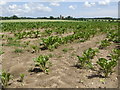
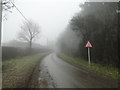
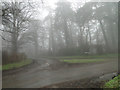
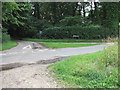
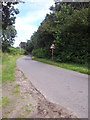
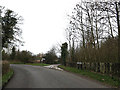
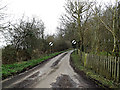
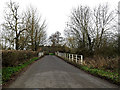
Area Information
Broome is a civil parish covering a total area of 5.9 square kilometres. You will find it nestled within the county, offering a setting defined by its compact size and established character. The community density reflects a settled population where residents have put down roots in this specific locality. Life here moves at a measured pace, yet the infrastructure supports modern connectivity needs effectively. The area functions as a standalone parish with distinct boundaries and a clear identity separate from larger urban centres nearby. When you consider living in Broome, you are choosing a location with a defined physical footprint that balances residential space with defined limits. The settlement does not sprawl; it remains contained, which often appeals to those seeking a predictable environment. Daily activities range from local maintenance to accessing wider regional services while maintaining a clear sense of place. This parish offers a stable backdrop for your daily routine without the complexity of sprawling metropolitan lifespans. You gain a neighbourly atmosphere within a bounded geography where the local character remains consistent across the entire 5.9 km². The scale ensures that the community retains a cohesive feel, making it straightforward to explore and understand the local dynamics.
- Area Type
- Parish
- Area Size
- 5.9 km²
- Population
- Not available
- Population Density
- Not available
Demographics
The community profile in Broome presents a distinctly older population compared to the wider national average. The median age stands at 70 years, indicating that the area is a retirement destination rather than a youthful growth zone. Families with young children represent less than half of the demographic, while households in the 55 to 64 year age bracket are particularly common. You are more likely to encounter long-term residents who have built their lives here than new transplants. A striking 82% of households in this parish are owner-occupiers. This high rate of ownership suggests deep community roots and financial stability among the residents. The remaining 18% of the housing stock forms part of the social or private rental sectors. Ethnic diversity and religious affiliation data do not form a central pillar of the local identity, reflecting a generally homogenous settlement pattern typical of many English parishes. Deprivation metrics are not available in the current dataset, meaning you must rely on other indicators like the age profile to understand local socio-economic dynamics. The dominance of owner-occupied homes implies that price volatility might be lower than in areas with heavy rental turnover. When you visit Broome, the streets will reflect this settled nature, with elderly couples and older couples in later life representing the core demographic.
Household Size
Accommodation Type
Tenure
Ethnic Group
Religion
Household Composition
Age
Household Deprivation
NS-SEC
Explore more demographic insights in this area
Go to Demographics tabPlanning
Planning Constraints
- Flood RiskPremium
- Ramsar Wetland SitesPremium
- Area of Outstanding Natural BeautyPremium
- Protected Nature ReservePremium
- Protected WoodlandPremium