Area Overview for Walsingham
Photos of Walsingham
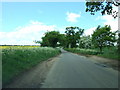
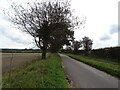
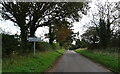
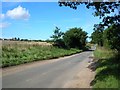
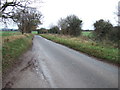
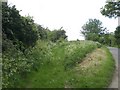
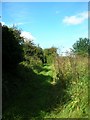
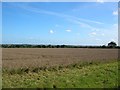
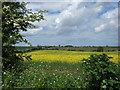
Area Information
Living in Walsingham offers a distinctly different experience compared to many larger towns. This civil parish covers an area of 19.0 km², creating a compact and intimate living environment. The small scale of the community means that daily life often unfolds at a slower pace, away from the congestion of major transport hubs. You will find yourself in a setting defined by local character rather than urban sprawl. The geography suggests a space where residents interact frequently, yet the specific population figures are not detailed in current records. Despite this, the overarching impression is one of established stability. The area functions as a self-contained entity where services and neighbours are within easy reach. Prospective buyers accustomed to bustling city centres may find the quietude of Walsingham unexpectedly refreshing. Conversely, those seeking extensive recreation facilities or large shopping malls nearby should look beyond the immediate parish boundaries. The locality presents a straightforward proposition for homebuyers who value proximity and simplicity. There are no hidden planning puzzles regarding wetlands or nature reserves to complicate your search. Instead, you are looking at a defined patch of land with a clear history and current usage. The lack of complex environmental constraints often translates to flexibility in how you use your garden or prepare for future changes to your home.
- Area Type
- Parish
- Area Size
- 19.0 km²
- Population
- Not available
- Population Density
- Not available
Demographics
The community within Walsingham skews significantly towards older residents, with a median age of 70. This demographic profile indicates that the local population is largely retired or consisting of seniors who have chosen this parish as their later home. When you assess the typical household composition, the data reflects this older age profile without specifying distinct family structures or numbers of children. A substantial portion of residents own their properties, with home ownership standing at 55 per cent of the total population. This figure suggests that the area appeals to people seeking stability and roots rather than temporary rental arrangements. The remaining 45 per cent rely on other forms of accommodation, though the specific breakdown of rental versus shared housing is not explicit in the available statistics. You will not find multi-ethnic population data or religious breakdowns provided for this specific parish, meaning the community appears to be relatively homogenous compared to more diverse urban centres. This simplicity aligns with a demographic that tends to stay put. The concentration of older adults often correlates with lower rates of household formation involving young children. For anyone considering buying a home here, understanding that you are entering a mature, owner-occupier-led market is essential. The social fabric is likely woven from long-established local friendships rather than transient populations.
Household Size
Accommodation Type
Tenure
Ethnic Group
Religion
Household Composition
Age
Household Deprivation
NS-SEC
Explore more demographic insights in this area
Go to Demographics tabPlanning
Planning Constraints
- Flood RiskLocked
- Ramsar Wetland SitesLocked
- Area of Outstanding Natural BeautyLocked
- Protected Nature ReserveLocked
- Protected WoodlandLocked
- Crime RiskLocked